


When you walk into any hardware store or browse an online lighting retailer, the name GE almost certainly catches your eye. GE light bulbs have been a household staple for over a century, and today they remain one of the most trusted names in residential and commercial lighting. Whether you are replacing a burnt-out bulb in your living room, upgrading your kitchen fixtures, or designing an energy-efficient lighting plan for an entire home, understanding what GE has to offer can save you time, money, and frustration. This comprehensive guide dives deep into the world of GE light bulbs, covering everything from the different bulb types and base sizes to expert buying tips and frequently asked questions that most guides overlook.
What Is a GE Light Bulb?
A GE light bulb refers to any lighting product manufactured or branded under the General Electric name. GE has been at the forefront of lighting innovation since the late 1800s when Thomas Edison perfected the incandescent bulb in his Menlo Park laboratory. Over the decades, the company expanded its product line to include halogen, compact fluorescent (CFL), and, most importantly, LED bulbs that dominate the modern market. Today, GE light bulbs are sold in billions of homes worldwide, and the brand is synonymous with reliability, energy efficiency, and consistent light quality.
What sets GE apart from generic bulbs is the company’s investment in research and development. GE LED bulbs, for example, are engineered with advanced heat dissipation designs, high color rendering indexes (CRI), and smart-home compatibility. This means a GE LED bulb does not just last longer — it delivers better, more natural light that closely mimics what you would get from traditional incandescent sources.
Types of GE Light Bulbs
GE manufactures several categories of light bulbs, each designed for specific applications and user preferences. Knowing which type fits your needs is the first step toward making an informed purchase.
GE LED Bulbs
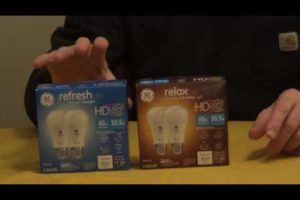
LED (Light Emitting Diode) bulbs are the flagship product in GE’s current lineup. GE LED bulbs consume up to 80% less energy than traditional incandescent bulbs and can last anywhere from 10,000 to 25,000 hours depending on the model. The company offers LED bulbs in multiple color temperatures, including warm white (2700K), soft white (3000K), and daylight (5000K). Many GE LED models also feature dimming capabilities and are compatible with smart home ecosystems like Alexa, Google Home, and Apple HomeKit.
GE Incandescent Bulbs
Although largely phased out due to energy regulations, GE incandescent bulbs remain available for certain specialty applications. These bulbs produce a warm, familiar glow that many people associate with classic home ambiance. They are commonly used in decorative fixtures, nightlights, and appliance bulbs where short lifespan is less of a concern.
GE CFL Bulbs
Compact fluorescent lamps, or CFLs, were once the go-to energy-saving alternative to incandescent bulbs. GE CFL bulbs use about 75% less energy than traditional incandescents and last roughly 10 times longer. While LEDs have largely overtaken CFLs in popularity, GE CFL bulbs still hold a place in the market, particularly for consumers who want a lower upfront cost or who need bulbs for fixtures that are not compatible with LED dimmers.
GE Halogen Bulbs
Halogen bulbs are a subtype of incandescent that use a halogen gas to recycle the filament, producing a brighter and whiter light. GE halogen bulbs are popular for task lighting, under-cabinet kitchen lights, and display cases where color accuracy and brightness matter most.
How to Choose the Right GE Light Bulb
Selecting the correct GE light bulb involves more than just picking the right shape. Several technical specifications determine whether a bulb will work for your space and meet your expectations.

- Wattage and Lumens: Modern LED bulbs produce far more light per watt than older technologies. A GE LED bulb rated at 9 watts can output the same brightness as a 60-watt incandescent, delivering roughly 800 lumens.
- Color Temperature: Measured in Kelvin (K), color temperature affects the mood of a room. Warm white (2700K) is ideal for bedrooms and living rooms, while cool daylight (5000K) works well in offices and garages.
- Dimmability: Not all GE LED bulbs support dimming. If you plan to use a dimmer switch, look for bulbs explicitly labeled “dimmable” and verify compatibility with your specific dimmer brand.
- Base Type: The bulb’s screw or pin base must match your fixture. The most common household base is the medium screw (E26) in the United States.
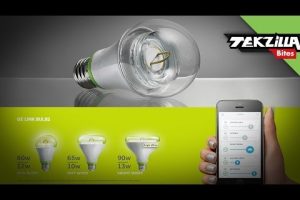
- Smart Compatibility: If you are building a smart home, GE offers Wi-Fi-enabled and Bluetooth-enabled bulbs that integrate seamlessly with major voice assistants and automation platforms.
GE Light Bulb Base Types and Sizes
Understanding bulb bases prevents the frustration of buying the wrong fit. The two primary base categories are screw bases and pin bases.
| Base Type | Designation | Common Use |
| Medium Screw | E26 | Standard household lamps, ceiling fixtures |
| Candelabra Screw | E12 | Chandeliers, decorative sconces |
| Intermediate Screw | E17 | Ceiling fans, small fixtures |
| Pin Base (Twist-Lock) | G24 | Certain CFL fixtures |
| Pin Base (2-Pin) | G23 / G24d | Specialty CFL applications |
The E26 medium screw base is by far the most common in American households. If you are shopping for GE light bulbs for standard lamps or overhead fixtures, you are almost certainly looking at E26 base models. For chandelier-style fixtures, the E12 candelabra base is the correct choice.
Benefits of Switching to GE LED Bulbs
Making the switch from older lighting technologies to GE LED bulbs offers tangible advantages that go beyond simple energy savings.
- Energy Savings: GE LED bulbs use a fraction of the electricity consumed by incandescent and CFL alternatives, which can reduce your energy bill by a measurable percentage over time.
- Longer Lifespan: A GE LED bulb rated for 15,000 hours means fewer replacements, less maintenance, and less waste in landfills.
- Instant Brightness: Unlike CFL bulbs that can take several seconds to reach full brightness, GE LED bulbs achieve maximum output the instant they are turned on.
- Low Heat Output: LED bulbs run significantly cooler, which reduces the risk of burns and lowers the cooling load on your air conditioning system during summer months.
- Eco-Friendly: GE LED bulbs contain no mercury, unlike CFLs, making them safer to handle and easier to dispose of responsibly.
Expert Tips for Getting the Most Out of GE Light Bulbs
Even the best GE light bulb will underperform if it is installed or used incorrectly. Here are some practical recommendations from lighting professionals.
- Check Dimmability Before Purchasing: Using a non-dimmable GE LED bulb on a dimmer circuit can cause flickering, buzzing, or premature failure. Always verify the packaging.
- Use Enclosed Fixture-Rated Bulbs When Needed: Some fixtures have enclosed housings that trap heat. Standard LED bulbs may overheat in these environments. GE offers specific models rated for enclosed fixtures that handle thermal stress more effectively.
- Consider Color Rendering Index (CRI): Bulbs with a CRI of 90 or above render colors more accurately. GE’s premium LED lines often feature CRI ratings of 90+, making them excellent for kitchens, bathrooms, and art lighting.
- Group Bulbs of the Same Type Together: Mixing different bulb technologies or color temperatures in the same room creates an inconsistent and unpleasant lighting environment.
- Take Advantage of Rebates and Programs: Many utility companies offer rebates on GE LED bulbs because of their energy efficiency. Check with your local electric provider before purchasing to maximize savings.
Comparison: GE LED vs. GE CFL vs. GE Incandescent
The table below provides a side-by-side comparison of GE’s three primary bulb technologies to help you weigh the trade-offs.
| Feature | GE LED | GE CFL | GE Incandescent |
| Energy Efficiency | Excellent (uses ~80% less energy) | Good (uses ~75% less energy) | Poor (baseline energy use) |
| Average Lifespan | 10,000–25,000 hours | 8,000–10,000 hours | 1,000–2,000 hours |
| Warm-Up Time | Instant | 1–3 seconds | Instant |
| Dimmable Options | Available on many models | Limited compatibility | Yes (standard) |
| Mercury Content | None | Contains mercury | None |
| Typical Cost (per bulb) | $2–$8 | $1–$5 | $0.50–$2 |
| Smart Home Compatible | Yes (select models) | No | No |
Conclusion
GE light bulbs represent a blend of legacy engineering expertise and modern lighting innovation. From energy-efficient GE LED bulbs that slash electricity costs to specialized halogen and incandescent options for niche applications, the GE product line covers virtually every lighting need a household or business might encounter. By understanding base types, color temperatures, dimming requirements, and smart-home capabilities, you can confidently select the right GE bulb for every room in your home. The investment in quality lighting pays dividends in energy savings, improved ambiance, and years of reliable performance.
Frequently Asked Questions
How long does a GE LED light bulb typically last?
Most GE LED light bulbs are rated for 10,000 to 25,000 hours of use, which translates to approximately 10 to 25 years of typical household use at around three hours per day. Actual lifespan can vary based on usage patterns, fixture ventilation, and whether the bulb is used on a compatible dimmer.
Are all GE LED bulbs dimmable?
No, not all GE LED bulbs are dimmable. Only models explicitly labeled as dimmable on the packaging should be used with dimmer switches. Using a non-dimmable GE LED bulb on a dimmer circuit can cause flickering, buzzing, and reduced bulb life. Always verify compatibility with your specific dimmer brand for optimal performance.

What does the Kelvin rating on a GE light bulb mean?
The Kelvin (K) rating indicates the color temperature of the light emitted by the bulb. Lower Kelvin values (around 2700K) produce a warm, yellowish glow ideal for living spaces, while higher values (around 5000K) produce a cool, blue-white light suited for task-oriented environments like offices, garages, and workshops.
Can I use a GE LED bulb in an enclosed fixture?
You should only use GE LED bulbs that are specifically rated for enclosed fixtures. Standard LED bulbs need airflow to dissipate heat, and trapping them in an enclosed housing can cause overheating and dramatically shorten the bulb’s lifespan. GE manufactures enclosed-fixture-rated models designed to handle these thermal conditions safely.
Are GE light bulbs compatible with smart home systems?
Yes, select GE LED light bulbs are compatible with popular smart home ecosystems including Amazon Alexa, Google Home, and Apple HomeKit. These smart bulbs typically connect via Wi-Fi or Bluetooth and allow users to control brightness, color temperature, and scheduling through a smartphone app or voice commands. Check the product packaging or specifications to confirm smart compatibility before purchasing.