


If you have ever wanted your flag to stand out beautifully after dark while keeping your outdoor space illuminated without driving up your electricity bill, a flag pole solar light is one of the smartest investments you can make. These self-contained lighting units mount directly on your flagpole or adjacent pole and harness the power of the sun to keep your colors visible and your surroundings safe long after sunset. Whether you are a homeowner looking to enhance your curb appeal, a business owner managing a commercial property, or a community organization maintaining a public monument, understanding what makes a quality solar flag pole light—and how to choose the right one—can save you time, money, and frustration. In this guide, we will walk you through everything from core technology and key buying criteria to installation best practices and long-term maintenance tips, so you can make a confident, informed decision.
What Is a Flag Pole Solar Light and Why It Matters
A flag pole solar light is a compact, weather-resistant lighting device designed to attach to or mount near a flagpole, providing targeted illumination to your flag, building entrance, or outdoor signage. Unlike traditional wired outdoor lights that require electrical wiring, conduit, or proximity to an outlet, solar-powered units operate entirely off the grid. They capture sunlight through an integrated photovoltaic panel during the day, store that energy in a rechargeable battery, and automatically activate an LED light array at dusk or in low-light conditions.
Here is why this matters more than most people realize:
- Cost savings over time. Solar flag pole lights eliminate ongoing electricity costs entirely. Once purchased and installed, the energy source is completely free.
- Easy, code-friendly installation. There is no need to hire an electrician or pull permits for underground wiring in most jurisdictions.
- Environmental responsibility. Solar lighting produces zero emissions during operation, aligning with green building standards and community sustainability goals.
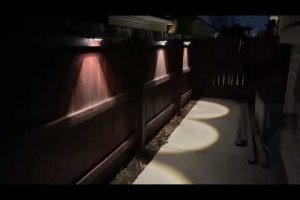
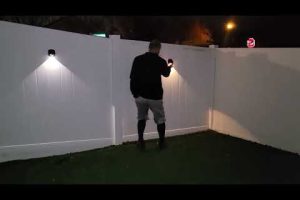
- Enhanced visibility and safety. A well-lit flagpole improves nighttime wayfinding, deters trespassing, and adds a professional, welcoming appearance to any property.
- Low maintenance. Modern LED solar lights can last 50,000 hours or more, with batteries typically rated for 2 to 5 years depending on climate and usage.
How Flag Pole Solar Lights Work
Understanding the inner workings of a solar flag pole light helps you appreciate why certain models perform better than others. The core process is simple, but the engineering behind it is sophisticated.
Key Components of a Solar Flag Pole Light

- Photovoltaic (PV) Panel. This small solar cell converts sunlight into direct current (DC) electricity. Mono-crystalline panels are the most efficient and commonly found in premium flag pole solar light models, achieving conversion rates between 18% and 23%.
- Rechargeable Battery. Most quality units use either lithium-ion (Li-ion) or lithium iron phosphate (LiFePO4) batteries. LiFePO4 options offer superior longevity, thermal stability, and safety compared to standard Li-ion cells.
- LED Light Array. High-quality LEDs deliver bright, focused illumination with minimal power draw. Look for units rated in lumens rather than watts, as this tells you the actual brightness output.
- Smart Controller. An integrated photocell or sensor detects ambient light levels and toggles the light on at sunset and off at sunrise. Advanced controllers offer dimming modes, motion activation, and customizable timing settings.
- Housing and Mounting Hardware. Weatherproof enclosures rated IP65 or higher protect internal electronics from rain, dust, and temperature extremes. Mounting brackets are designed to clamp securely onto standard or custom flagpole diameters.
Types of Flag Pole Solar Lights Available
Not all solar flag pole lighting solutions are created equal. Depending on your specific needs—whether you need to illuminate a single residential flag, a multi-story commercial building, or an entire park monument—different categories of lights deliver distinct advantages.
- Flag Pole Top-Mount Lights. These attach directly to the finial or top cap of the flagpole, casting light downward along the flag fabric. They are ideal for showcasing the flag itself and are the most popular choice for residential and small commercial setups.
- Mid-Pole Spotlights. Mounted at the halfway point of the pole, these provide broader, more even coverage and work well when the flagpole is taller than average.
- Base-Mount Solar Floodlights. Installed at ground level near the flagpole base, these floodlights illuminate the entire pole and surrounding area, making them excellent for large properties and security purposes.
- Solar Flag Pole Light Kits with Multiple Heads. These systems include two or more solar-powered light heads connected to a single pole or panel, delivering 360-degree illumination perfect for monument lighting and ceremonial spaces.
Top Features to Look For When Buying
Shopping for the right outdoor solar flag pole lighting can feel overwhelming with so many products on the market. Here are the features that separate a genuinely effective unit from a cheap disappointment:
- Battery capacity (measured in mAh or Wh). Higher capacity means longer runtime on cloudy days. A minimum of 2,000 mAh is recommended for reliable all-night illumination.
- Lumen output. For flagpole illumination, aim for 100 to 300 lumens per light head. Commercial and monument applications may require 500 lumens or more.
- IP rating. An IP65 or IP67 waterproof rating ensures the light survives heavy rain, snow, and humidity without internal damage.
- Adjustable solar panel angle. A tilt-adjustable panel maximizes sun exposure throughout the day, boosting charging efficiency by up to 30%.
- Multiple lighting modes. Look for options like full brightness, dimmed mode, and motion-sensor mode to customize energy usage based on your needs.
- Compatibility with standard flagpole diameters. Ensure the mounting bracket fits your specific pole size, which commonly ranges from 2 inches to 6 inches in diameter.
Comparison Table: Top Flag Pole Solar Lights
| Model Type | Lumens | Battery | Runtime | Best For |
| Top-Mount LED Solar Spot | 150–300 | 2,000–3,000 mAh Li-ion | 8–12 hours | Residential flag display |
| Mid-Pole Solar Floodlight Kit | 200–500 | 4,000–6,000 mAh LiFePO4 | 10–14 hours | Commercial properties |
| Ground-Based Solar Floodlight | 400–800 | 5,000–10,000 mAh Li-ion | 10–16 hours | Security and monument lighting |
| Multi-Head Solar Flag Pole Kit | 300–600 (total) | 6,000–12,000 mAh LiFePO4 | 12–20 hours | Parks, government buildings |
Installation and Maintenance Tips
Installing a flag pole solar light is straightforward, but doing it right the first time prevents headaches down the road. Here is a practical, step-by-step approach that works for most setups.
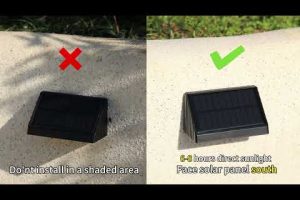
- Choose the right placement. Position the solar panel where it will receive at least 6 to 8 hours of direct sunlight daily. Avoid shaded areas caused by trees, eaves, or adjacent structures.
- Secure the mounting bracket. Use the provided clamps or U-bolts to fasten the light to your flagpole. For top-mount models, ensure the bracket aligns with the finial and does not interfere with flag halyard or pulley operation.
- Angle the solar panel correctly. In the Northern Hemisphere, face the panel south at a tilt angle roughly equal to your geographic latitude for maximum annual solar capture.
- Test the automatic sensor. Cover the panel with your hand to simulate dusk. The light should turn on within 5 to 15 seconds. If it does not, check battery connections and sensor alignment.
- Clean the solar panel monthly. Dust, pollen, bird droppings, and snow reduce charging efficiency. A quick wipe with a damp microfiber cloth keeps performance optimal.
- Replace the battery every 2–3 years. Even high-quality rechargeable batteries degrade over time. Most units use standard replaceable battery packs, making this an easy DIY task.
Expert tip: During winter months or extended cloudy periods, you can temporarily charge the battery using a standard USB charging port if your model supports it. This ensures uninterrupted illumination even in low-sun conditions.
Common Mistakes to Avoid
- Underestimating battery needs. Cheap models with small batteries may last only 3 to 4 hours, leaving your flag dark during the later evening hours.
- Ignoring winter sun angles. Solar panels mounted too high or at the wrong angle receive significantly less light in winter when the sun sits lower on the horizon.
- Over-tightening mounting bolts. This can crack plastic housings or strip threading on aluminum flagpoles. Hand-tighten and use a wrench for only a quarter-turn beyond snug.
- Skipping the manual. Many solar lights require an initial full charge cycle (8 to 12 hours of direct sunlight) before first use. Skipping this step leads to poor initial performance.
Final Thoughts on Choosing the Right Flag Pole Solar Light
A flag pole solar light is far more than a decorative accessory—it is a practical, cost-effective lighting solution that enhances safety, visibility, and aesthetic appeal for any property. By understanding the technology, knowing which features matter most, and following proper installation and maintenance routines, you can enjoy reliable, bright illumination for years without a single electricity bill. Whether you are upgrading a single residential flagpole or outfitting an entire commercial campus with outdoor solar flag pole lighting, the key is choosing a unit that matches your brightness needs, climate conditions, and mounting requirements.

Take your time comparing models, read verified customer reviews, and do not hesitate to invest in a slightly higher-priced unit with a lithium iron phosphate battery and a strong IP67 rating. The upfront savings compared to wired lighting are significant, and the long-term reliability of a quality solar light system makes it one of the best returns on investment in outdoor property improvement.
Frequently Asked Questions
1. How long does a flag pole solar light last on a full charge?
Most quality flag pole solar lights run between 8 and 16 hours on a full charge, depending on battery capacity, lumen output, and the lighting mode selected. Models equipped with lithium iron phosphate batteries tend to deliver the longest consistent runtime, especially during colder months when battery efficiency can drop slightly.
2. Can a solar flag pole light work on cloudy days or in winter?
Yes, but with reduced performance. Cloudy days and shorter winter daylight hours decrease charging time, which may result in dimmer light or shorter runtime. Choosing a unit with a larger battery capacity and an adjustable solar panel angle helps mitigate these seasonal challenges significantly.
3. Do flag pole solar lights require any wiring or electrical connections?
None whatsoever. A solar flag pole light is a fully self-contained unit with no external wiring needed. The solar panel charges the internal battery during daylight hours, and the controller automatically activates the LEDs when ambient light drops below a certain threshold.
4. What is the average lifespan of a solar flag pole light?
With proper maintenance, a well-built solar flag pole light lasts between 5 and 8 years. The LED array typically outlasts the housing and solar panel, while the rechargeable battery is the component most likely to need replacement within the 2-to-5-year range depending on climate and charge cycles.
5. Can I install a flag pole solar light on an existing flagpole?
Absolutely. Most outdoor solar flag pole lighting kits come with adjustable mounting brackets designed to fit standard flagpole diameters ranging from 2 inches to 6 inches. If your pole has an unusual size or shape, aftermarket adapters and universal clamps are widely available and easy to install with basic hand tools.