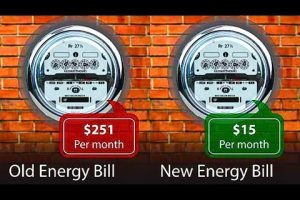



Electricity saving is no longer just a passing trend — it is a fundamental shift in how households, businesses, and entire communities approach energy consumption. With utility rates climbing year after year and environmental concerns dominating public discourse, understanding how to reduce your electricity usage has become one of the smartest investments you can make. Whether you are a renter looking for quick wins or a homeowner ready to overhaul your energy strategy, this guide walks you through proven techniques, smart technologies, and expert-backed strategies that deliver real results on your monthly bills and your carbon footprint.
Why Electricity Saving Matters More Than Ever
The average American household spends over $1,500 annually on electricity, and those numbers continue to climb as grid demand increases and extreme weather events drive heavier reliance on heating and cooling systems. But electricity saving is about far more than dollar savings. Reducing your power consumption directly lowers greenhouse gas emissions, decreases strain on local electrical infrastructure, and contributes to a more resilient energy grid for everyone.
When you actively work to cut electricity waste, you are participating in what energy experts call demand-side management — shifting how and when energy is used across the grid. On a macro level, widespread electricity conservation reduces the need for peaker power plants, which burn the most expensive and dirtiest fossil fuels during high-demand periods. On a personal level, every kilowatt-hour you save translates directly into lower utility charges and a smaller environmental impact.
Understanding Where Your Electricity Actually Goes
The Biggest Energy Hogs in Most Homes
Before you can effectively reduce consumption, you need to know what is driving your bill. Most homeowners have no idea that their largest electricity draws are often hidden in plain sight. Here is a breakdown of typical household energy consumption:
- Heating and cooling: Roughly 40–50% of total electricity usage in climate-controlled homes
- Water heating: Accounts for approximately 12–18% of residential energy costs
- Appliances (refrigerator, washer, dryer, dishwasher): Around 13% of household consumption
- Lighting: Typically 9–12% of total usage, though LED adoption has reduced this significantly
- Electronics and standby power: Phantom loads from devices in standby mode can add up to 5–10% of your bill
Understanding these categories is the first step toward targeted electricity saving. You do not need to overhaul everything at once — you just need to prioritize the areas where waste is greatest.
Practical Electricity Saving Tips for Every Level
Beginner Tips: Start Today With Zero Cost

You do not need to spend a single dollar to start saving electricity. These simple behavioral changes deliver immediate results:
- Unplug idle chargers and electronics. Devices left plugged in continue drawing power even when not actively charging. This standby consumption, sometimes called vampire power, can cost a household $100 or more per year.
- Switch to natural light during daytime hours. Open curtains and blinds before turning on overhead lights. This alone can reduce your lighting-related electricity by up to 40%.
- Adjust your thermostat by just 2 degrees. Lowering your thermostat by 2°F in winter or raising it by 2°F in summer can reduce heating and cooling costs by approximately 10%.
- Run full loads only. Whether it is your dishwasher or washing machine, running appliances at full capacity maximizes energy efficiency per cycle.
Intermediate Upgrades: Smart Investments That Pay Off
Once the low-hanging fruit is addressed, intermediate upgrades offer excellent returns on investment:
- Install a programmable or smart thermostat. Brands like Nest, Ecobee, and Honeywell allow you to automate temperature adjustments based on your schedule, reducing unnecessary heating and cooling when you are asleep or away from home.
- Replace incandescent bulbs with LEDs. LED bulbs use up to 75% less energy than traditional incandescent lighting and last 25 times longer, offering both electricity saving and reduced replacement costs.
- Seal air leaks around windows, doors, and ducts. Drafty homes force HVAC systems to work harder, consuming significantly more electricity. Weatherstripping and caulking are inexpensive fixes with outsized impact.
- Upgrade to ENERGY STAR-rated appliances. Modern ENERGY STAR refrigerators, washing machines, and dishwashers use substantially less electricity than models manufactured even five years ago.
Advanced Strategies: For Serious Energy Savers
For homeowners ready to take electricity saving to the next level, consider these expert-level approaches:
- Install a home energy monitoring system. Devices like Sense or Emporia Vue provide real-time data on your electricity usage, helping you identify hidden waste and track the impact of every change you make.
- Add insulation and upgrade to energy-efficient windows. Proper attic insulation, double-pane windows, and radiant barriers can dramatically reduce HVAC load, especially in extreme climates.
- Consider solar panel installation. While the upfront cost is significant, residential solar systems can eliminate or drastically reduce monthly electricity bills over a 20–25 year lifespan, and many regions offer tax incentives and net metering programs.
- Invest in a heat pump system. Heat pumps are two to three times more energy-efficient than traditional electric resistance heaters or gas furnaces, making them one of the most impactful electricity saving upgrades available today.
Electricity Saving Devices: A Comparison
The market is flooded with electricity saving devices, but not all deliver the results manufacturers claim. Here is a practical comparison of the most widely used options:
| Device / Technology | How It Works | Estimated Annual Savings | Upfront Cost |
| Smart Thermostat | Automates HVAC scheduling and learns your habits | $100–$200 | $100–$250 |
| LED Bulb Replacement Kit | Replaces incandescent bulbs with low-wattage LEDs | $50–$100 | $20–$60 |
| Power Strip with Timer | Cuts phantom load to connected devices | $30–$75 | $15–$40 |
| Home Energy Monitor | Tracks real-time consumption and identifies waste | $50–$150 (behavioral savings) | $50–$300 |
| Insulation Upgrade | Reduces HVAC workload by maintaining indoor temperature | $150–$400 | $500–$2,000 |
| Heat Pump System | Moves heat instead of generating it electrically | $300–$800+ | $3,000–$8,000 |
The takeaway here is simple: the highest-return electricity saving investments target your heating and cooling systems and eliminate phantom loads, because those two categories represent the largest portions of most household electricity bills.
How to Measure and Track Your Electricity Savings
You cannot improve what you do not measure. Tracking your electricity saving progress is essential for staying motivated and validating that your efforts are working. Here are the most effective methods:
- Review your utility bills monthly. Compare kilowatt-hour (kWh) usage month over month, adjusting for seasonal variations. A consistent downward trend confirms your strategies are working.
- Use a plug-in energy meter. Devices like the Kill-A-Watt let you measure the exact electricity draw of individual appliances, helping you identify the worst offenders.
- Set benchmark goals. The U.S. Department of Energy provides average consumption benchmarks by region. Use these as a reference point to see where you stand.
- Leverage smart meter data. Many utility companies now provide online dashboards that show hourly and daily consumption patterns, making it easier than ever to pinpoint waste.
Frequently Asked Questions About Electricity Saving
What is the fastest way to reduce electricity consumption at home?
The single fastest electricity saving action you can take is replacing all incandescent and halogen bulbs with LED alternatives and installing a smart thermostat that automatically adjusts temperatures when you are not home. Together, these two changes can reduce your electricity bill by 15–25% within the first billing cycle, with virtually no lifestyle disruption.
Do electricity saving power strips really work?
Yes, smart power strips and timers absolutely work, especially for devices that draw phantom loads in standby mode. Televisions, gaming consoles, desktop computers, and microwave ovens are notorious culprits. A quality smart strip cuts power to devices when they are not in active use, saving an estimated $30–$75 per year for the average household.
How much electricity does a home energy monitor save?
Research from the Lawrence Berkeley National Laboratory suggests that households using real-time energy monitors reduce their electricity consumption by an average of 5–15%. The monitor itself does not save energy — it empowers you with the awareness needed to make informed decisions about your daily usage patterns.
Is installing solar panels worth it for electricity saving?
Solar panel installation can be highly worthwhile depending on your location, roof orientation, local electricity rates, and available incentives. In regions with high solar insolation and generous net metering policies, homeowners often see their electricity bills drop to near zero, with payback periods ranging from 6 to 12 years. Even without full offset, every solar panel installed contributes to meaningful long-term electricity saving.
What is the cheapest electricity saving upgrade a homeowner can make?
Weatherstripping and caulking around windows and doors is arguably the cheapest yet most impactful electricity saving upgrade available. A basic sealing kit costs under $30 and can reduce HVAC energy waste by 10–20%, particularly in older homes with significant air leakage around frames and penetrations.
Final Thoughts on Electricity Saving
Electricity saving is not about sacrificing comfort or living in the dark. It is about making informed, intentional decisions that align your energy usage with your values and your budget. From the simplest habit of switching off a light when you leave a room to the most ambitious investment like a rooftop solar array, every action counts. Start with the tips that match your budget and comfort level, measure your progress consistently, and build from there. The electricity you save today is money in your pocket tomorrow and a healthier planet for generations to come.