


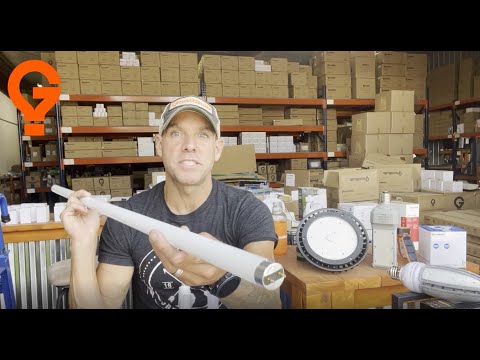
When it comes to lighting large commercial spaces, industrial facilities, garages, and classrooms, 4 foot LED bulbs have become the go-to solution for facility managers, electricians, and homeowners who want reliable, energy-efficient illumination without the hassle of frequent replacements. These elongated tube-style fixtures deliver consistent, wide-area lighting that traditional fluorescent lamps simply cannot match in terms of lifespan, energy savings, or light quality. Whether you are retrofitting an existing warehouse or designing a new build, understanding the ins and outs of 4 foot LED lighting can save you significant money and headaches down the road. This comprehensive guide covers everything from bulb types and technical specifications to installation tips and real-world comparisons, giving you the knowledge you need to make confident purchasing decisions.
What Exactly Are 4 Foot LED Bulbs?

A 4 foot LED bulb refers to a linear tube-style LED light fixture that measures approximately 48 inches in length. These bulbs are designed as direct replacements for legacy fluorescent tubes commonly found in commercial and residential settings. Unlike traditional T12 or T8 fluorescent lamps that rely on gas discharge and phosphor coatings to produce light, 4 foot LED tubes use semiconductor diodes to generate illumination with far greater efficiency and durability. Most models operate on standard 120-volt or 277-volt circuits, and many are available in both single-ended and dual-ended configurations to suit different ballast setups.
The shift from fluorescent to LED tube lighting has accelerated rapidly in recent years, driven by rising energy costs, stricter building codes, and the sheer cost advantage of LED technology over time. A single 4 foot LED tube can last between 50,000 and 100,000 hours, which translates to roughly 15 to 25 years of typical daily use. Compare that to a standard fluorescent tube that lasts around 20,000 hours, and the value proposition becomes immediately clear.
Types of 4 Foot LED Tubes and Bulbs
Not all 4 foot LED bulbs are created equal. Understanding the different variants available on the market is essential for choosing the right product for your specific application.
T8 LED Tubes
T8 LED tubes are the most popular variant in the 4 foot LED category. They replace existing T8 fluorescent tubes and are available in both direct wire (ballast-bypass) and ballast-compatible versions. Direct wire models eliminate the need for a ballast entirely, which reduces energy waste and removes a common point of failure. T8 LEDs typically produce between 3,000 and 5,000 lumens depending on wattage, with options ranging from 18 watts to 28 watts.
T5 LED Tubes
T5 LED tubes are slightly smaller in diameter than T8 models and are often found in newer fixtures designed specifically for this form factor. They tend to deliver higher lumen output per watt, making them ideal for applications where maximum brightness is needed in a compact space. T5 4 foot LED bulbs are commonly used in retail displays, grow light setups, and task lighting environments.
T12 LED Retrofit Tubes
T12 LED retrofit tubes are designed to replace older T12 fluorescent lamps, which are still prevalent in many older commercial buildings. These bulbs often feature universal ballast compatibility, meaning they can work with existing T12 ballasts without requiring rewiring. However, for maximum efficiency, a ballast-bypass direct wire installation is always recommended when upgrading from T12 fixtures.
Key Benefits of Switching to 4 Foot LED Bulbs
The advantages of transitioning to 4 foot LED lighting extend well beyond simple energy savings. Here is a detailed breakdown of what makes these bulbs a superior choice:
- Dramatic Energy Savings: 4 foot LED tubes consume 40 to 60 percent less energy than equivalent fluorescent tubes while producing equal or greater light output.
- Extended Lifespan: With rated lifespans of 50,000+ hours, LED tubes drastically reduce maintenance costs and the inconvenience of frequent bulb changes.
- Instant Full Brightness: Unlike fluorescents that flicker or take time to warm up, LEDs reach full brightness the moment they are powered on.
- No Mercury or Toxic Materials: LED tubes are environmentally friendly and do not contain hazardous materials like mercury, simplifying disposal and reducing environmental liability.
- Improved Light Quality: Modern 4 foot LED bulbs offer high color rendering indices (CRI ratings of 80+ and up), meaning colors appear more natural and vibrant under LED light.
- Reduced Heat Output: LEDs run significantly cooler than fluorescent lamps, which can lower cooling costs in enclosed or climate-controlled spaces.
How to Choose the Right 4 Foot LED Bulb for Your Space
Selecting the correct 4 foot LED bulb requires evaluating several technical and practical factors. A mismatched bulb can lead to poor light quality, compatibility issues, or wasted energy.
Wattage and Lumen Output
The first decision you need to make is how much light you actually need. Lumen output is the true measure of brightness, not wattage. For general overhead lighting in offices and warehouses, a 4 foot LED tube producing between 4,000 and 5,000 lumens is typically sufficient. For task lighting or areas requiring higher visibility, consider models rated at 5,000 lumens or above. The wattage needed depends on the lumen-per-watt efficacy rating of the tube, but most 4 foot LEDs produce around 150 to 200 lumens per watt.

Color Temperature Options
Color temperature, measured in Kelvin (K), determines the appearance of the light. Common options for 4 foot LED bulbs include:
- 3000K (Warm White): Produces a soft, inviting glow suitable for residential garages, restaurants, and hospitality spaces.
- 4000K (Neutral White): A balanced, clean light ideal for offices, classrooms, and retail environments.
- 5000K (Cool White): A bright, crisp light that enhances alertness and visibility, commonly used in industrial settings, workshops, and hospitals.
- 6500K (Daylight): Mimics natural sunlight and is often chosen for warehouses, parking garages, and agricultural applications.
Ballast Compatibility vs. Direct Wire
This is one of the most important technical decisions. Ballast-compatible tubes are plug-and-play and work with existing fluorescent ballasts, but they still draw power through the ballast, which reduces overall efficiency. Direct wire (ballast-bypass) tubes require removing the ballast and wiring the tube directly to line voltage, but they eliminate energy losses and ballast failure points entirely. For long-term savings, direct wire is always the better choice.
4 Foot LED Bulb Comparison Table
| Feature | T8 LED Tube | T5 LED Tube | T12 LED Retrofit |
| Length | 48 inches | 48 inches | 48 inches |
| Diameter | 1 inch (T8) | 5/8 inch (T5) | 1.5 inches (T12) |
| Typical Wattage | 18W – 28W | 14W – 24W | 18W – 32W |
| Lumen Output | 2,000 – 5,000 lm | 2,500 – 5,000 lm | 2,000 – 4,500 lm |
| Lifespan | 50,000 – 100,000 hrs | 50,000 – 50,000 hrs | 50,000 – 100,000 hrs |
| CRI Rating | 80 – 90+ | 80 – 90+ | 80 – 90+ |
| Dimmable | Select models | Select models | Select models |
| Installation Type | Direct wire or ballast | Direct wire preferred | Universal or direct wire |
Top Applications for 4 Foot LED Bulbs

The versatility of 4 foot LED bulbs makes them suitable for a remarkably wide range of environments. Below are the most common and high-impact applications where these tubes deliver measurable value:
- Commercial Office Buildings: Drop ceiling panels typically use T8 fluorescent tubes, and 4 foot LED replacements fit seamlessly without requiring fixture changes.
- Warehouses and Distribution Centers: High bay and low bay areas benefit from the high lumen output and wide beam angles of 4 foot LED tubes, improving worker safety and productivity.
- Retail Stores and Supermarkets: LED tubes with high CRI ratings make products look more appealing on shelves, which can positively impact sales and customer experience.
- Schools and Educational Facilities: The flicker-free, consistent light output of LEDs reduces eye strain for students and teachers alike, and the long lifespan minimizes classroom disruptions caused by maintenance.
- Residential Garages and Workshops: Homeowners looking to upgrade their garage lighting find 4 foot LED tubes to be affordable, easy to install, and dramatically brighter than the fluorescent alternatives they replace.
- Hospitals and Healthcare Facilities: The clean, daylight-rich light from 5000K and 6500K LED tubes supports medical accuracy and creates a more welcoming atmosphere for patients.
Common Mistakes to Avoid When Upgrading to 4 Foot LED Tubes
Even experienced installers sometimes make errors when transitioning to LED tube lighting. Here are the most common pitfalls and how to avoid them:
- Ignoring Ballast Compatibility: Always verify whether your existing fixture uses a compatible ballast before purchasing a ballast-compatible tube. Mismatched ballasts can cause flickering, buzzing, or premature failure.
- Choosing the Wrong Color Temperature: Selecting a color temperature that does not match the space’s purpose can create an uncomfortable environment. For example, 6500K daylight in a restaurant can feel sterile and unwelcoming.
- Skipping the Direct Wire Option: If you are already replacing tubes, it is often worth the extra effort to bypass the ballast entirely. This eliminates a future failure point and maximizes energy savings.
- Overlooking Dimming Requirements: If you need dimmable lighting, confirm that both the LED tube and the dimmer switch are compatible. Not all LED tubes support dimming, and using non-dimmable tubes on a dimmer circuit can cause damage.
- Underestimating Lumen Needs: Lux levels vary by application. Offices typically need 300 to 500 lux, while warehouses may require 50 to 200 lux depending on ceiling height. Calculate your needs before purchasing.
Expert Tips for Maximizing Your 4 Foot LED Lighting Investment
To get the most out of your 4 foot LED bulb installation, consider these professional recommendations:
- Purchase from Reputable Brands: Established manufacturers like Philips, Sylvania, TCP, and GE offer reliable warranties and consistent quality control. Avoid the cheapest unbranded options, as they often degrade in brightness well before their rated lifespan.
- Keep Spare Tubes on Hand: Even though LED tubes last for years, having a few spares in inventory ensures that a single failure does not leave a space in darkness.
- Consider Smart LED Options: Some 4 foot LED tubes are compatible with smart lighting systems, allowing you to schedule on/off times, adjust brightness remotely, and integrate with building automation platforms.
- Clean Fixtures Regularly: Dust accumulation on LED tubes and fixtures can reduce light output by up to 20 percent. A simple cleaning routine preserves illumination quality and extends effective lifespan.
Frequently Asked Questions (FAQs)
Can I install a 4 foot LED bulb in a fixture that currently uses fluorescent tubes? In most cases, yes. You can either use a ballast-compatible LED tube that works with your existing ballast, or remove the ballast and wire the LED tube directly for optimal performance. Check the fixture label and your tube specifications before purchasing.
What is the difference between single-ended and dual-ended 4 foot LED tubes? Single-ended tubes have power connections on one end only, while dual-ended tubes have connections on both ends. Dual-ended installation is the most common and provides balanced electrical distribution. Single-ended tubes require careful orientation during installation to ensure correct polarity.
Do 4 foot LED bulbs require a special dimmer switch? Yes, if you want dimming functionality, you need both a dimmable LED tube and a compatible LED dimmer. Standard incandescent dimmers will not work with LED technology and can cause flickering or damage to the tube.
How much energy can I save by switching from fluorescent to 4 foot LED tubes? Most users report energy savings of 40 to 60 percent. For example, replacing a 32-watt fluorescent tube with an 18-watt LED tube that produces the same or greater lumen output can save approximately $5 to $10 per tube per year in electricity costs, depending on local rates and usage hours.
Are 4 foot LED bulbs compatible with motion sensors and occupancy switches? Yes, most 4 foot LED tubes work seamlessly with occupancy sensors and motion detection systems. However, ensure the LED tube is rated for frequent switching if it will be controlled by motion sensors that turn lights on and off frequently, as this can affect longevity.
What does CRI mean, and why does it matter for 4 foot LED bulbs? CRI stands for Color Rendering Index, which measures how accurately a light source renders colors compared to natural sunlight. A higher CRI (80 or above) means colors appear more true to life, which is especially important in retail displays, art studios, medical environments, and any space where accurate color perception matters.
Final Thoughts on 4 Foot LED Bulbs
The transition from fluorescent to LED lighting represents one of the most impactful upgrades a commercial or residential property owner can make. 4 foot LED bulbs deliver exceptional energy efficiency, remarkable longevity, superior light quality, and reduced maintenance costs in a single, straightforward package. Whether you are replacing a handful of tubes in a small office or overhauling an entire warehouse lighting system, the return on investment is undeniable. By understanding the different tube types, choosing the right specifications for your space, and avoiding common installation mistakes, you can ensure your LED upgrade delivers maximum value for years to come. Make the switch today and experience the difference that modern LED technology brings to your environment.