


Lighting shapes every room in your home, workplace, and public spaces, and bulb lights remain the most fundamental component of any lighting setup. Whether you are renovating a kitchen, upgrading office overhead fixtures, or simply replacing a burnt-out light, choosing the right bulb light can transform the ambiance, improve energy efficiency, and reduce your electricity bill. The modern lighting market offers an overwhelming range of options — from classic incandescent bulbs to cutting-edge smart LED lights — and understanding their differences is essential for making informed purchasing decisions. In this comprehensive guide, we will explore the types, benefits, applications, and selection criteria for bulb lights, giving you expert-level knowledge to light up any space with confidence.
What Are Bulb Lights and Why Do They Matter?
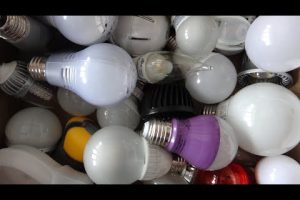
Bulb lights, commonly referred to as light bulbs or electric lamps, are portable lighting devices that convert electrical energy into visible light through various technologies. Unlike built-in lighting systems, bulb lights are designed to be interchangeable and fit into standard sockets, making them one of the most versatile and accessible lighting solutions available today. They come in a wide variety of shapes, sizes, brightness levels, and color temperatures to suit different environments and purposes.
The importance of selecting the right bulb light extends beyond simple illumination. The correct choice affects eye comfort, mood regulation, productivity, and even sleep cycles. For instance, warm-toned bulb lights are ideal for bedrooms and living rooms where relaxation is the goal, while cool white lighting works better in offices and study areas requiring focus and alertness. Understanding these nuances ensures you get the best performance from every fixture in your space.
Types of Bulb Lights You Should Know
The evolution of bulb lights over the past century has introduced several distinct technologies, each with unique characteristics. Here are the primary categories every consumer should understand before making a purchase.
Incandescent Bulb Lights
Traditional incandescent bulbs produce light by heating a tungsten filament until it glows. These bulb lights have been the household standard for over a century and are known for their warm, inviting glow and instant illumination. However, incandescent bulb lights are highly inefficient, converting only about 10% of energy into light while wasting the rest as heat. Many countries have phased them out or restricted their sale due to energy conservation regulations.
Compact Fluorescent Lamp (CFL) Bulb Lights
CFL bulb lights are spiral-shaped tubes that use mercury vapor and phosphor coatings to produce light. They consume roughly 70% less energy than traditional incandescent options and last significantly longer. Despite their efficiency, CFL bulb lights take a moment to warm up and reach full brightness, and they contain small amounts of mercury, which requires careful handling and disposal.
Light Emitting Diode (LED) Bulb Lights
LED bulb lights are the current gold standard in residential and commercial lighting. They use semiconductor diodes to emit light when an electric current passes through them, resulting in exceptional energy efficiency and longevity. Modern LED bulb lights can last 15,000 to 50,000 hours, consume up to 80% less energy than incandescent alternatives, and are available in a full spectrum of color temperatures and smart features.
Halogen Bulb Lights

Halogen bulb lights are a refined version of incandescent technology that uses a halogen gas inside a quartz envelope. These bulb lights produce bright, white light that closely mimics natural daylight, making them popular in task lighting, automotive headlights, and stage lighting. They are more efficient than standard incandescent bulbs but still generate significant heat.
How to Choose the Right Bulb Light for Your Space
Selecting the perfect bulb light involves evaluating several technical specifications that directly impact performance and satisfaction. Here are the key factors to consider.
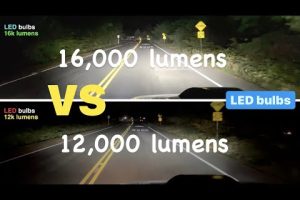
- Lumens (Brightness): Lumens measure the total amount of visible light a bulb produces. For reference, a standard 60-watt incandescent bulb produces approximately 800 lumens. Replace it with an LED bulb light rated at 800 lumens to achieve the same brightness while using far less energy.
- Color Temperature (Kelvins): Bulb lights range from warm white (2700K) to cool daylight (6500K). Lower Kelvin values create a cozy, yellowish glow, while higher values produce crisp, blue-white light suitable for workspaces.
- Wattage Equivalency: Modern bulb lights list a wattage equivalent to help consumers compare brightness across different technologies without confusion.
- Dimmability: Not all LED bulb lights are compatible with dimmer switches. Always check the packaging or product specifications if you need adjustable brightness.
- Base Type: Bulb lights come with different socket bases, such as E26 (standard medium base in the US) and E27 (common in Europe and many other regions). Ensure compatibility with your existing fixtures.
Energy Efficiency Comparison: LED vs. Incandescent vs. CFL
Understanding the energy efficiency differences among bulb light types is crucial for making cost-effective and environmentally responsible choices. The table below provides a clear comparison of the three most common technologies.
| Feature | Incandescent | CFL | LED |
| Average Lifespan | 1,000 hours | 8,000 hours | 15,000–50,000 hours |
| Energy Consumption (60W equivalent) | 60 watts | 13–15 watts | 8–10 watts |
| Energy Efficiency | Low (~10%) | Moderate (~25%) | High (~80%) |
| Heat Output | High | Moderate | Low |
| Dimmable Options | Yes | Limited | Yes (most models) |
| Upfront Cost | Lowest | Moderate | Slightly higher |
| Long-Term Savings | Lowest | Moderate | Highest |
| Environmental Impact | High waste | Contains mercury | Lowest waste |
As the comparison clearly shows, LED bulb lights offer the best balance of performance, longevity, and energy savings. While the upfront cost may be marginally higher than incandescent or CFL options, the long-term savings on electricity bills and replacement frequency make LED technology the most economical choice in nearly every scenario.

Smart Bulb Lights: The Future of Home Lighting
Smart bulb lights represent the latest advancement in lighting technology, integrating wireless connectivity and app-based controls that allow users to adjust brightness, color temperature, and even color from their smartphones or voice assistants. Popular ecosystems like Amazon Alexa, Google Home, and Apple HomeKit support a wide range of smart bulb lights, enabling automated lighting schedules, scene presets, and remote control from anywhere in the world.
These intelligent lighting solutions go beyond basic illumination. Many smart bulb lights support circadian rhythm programming, gradually shifting color temperatures throughout the day to align with natural light patterns and support better sleep quality. Others offer music synchronization, transition effects, and energy monitoring features that help users track their consumption in real time.
Expert Tips for Maximizing Bulb Light Performance

Even the best bulb lights underperform if installed or maintained incorrectly. Here are practical recommendations from lighting professionals to help you get the most out of every bulb.
- Match bulb lights to fixture ratings: Always check the maximum wattage rating of your fixture and choose a bulb that does not exceed it, especially in enclosed or recessed fixtures where heat buildup can shorten bulb life.
- Use different bulb lights per room: Tailor the color temperature and brightness of your bulb lights to each room’s function. Kitchens and bathrooms benefit from higher Kelvin and brighter output, while bedrooms and dining areas shine with warm, softer tones.
- Clean bulb light fixtures regularly: Dust and grime on fixtures and shades reduce light output significantly. A simple wipe-down can restore brightness without replacing the bulb.
- Invest in quality brands: Reputable manufacturers offer consistent color rendering, reliable dimming compatibility, and better warranty coverage, which translates to fewer replacements and more predictable performance.
- Consider Color Rendering Index (CRI): Bulb lights with a CRI of 90 or above render colors more accurately, which matters significantly in kitchens, art studios, and retail environments.
Common Applications of Bulb Lights
Bulb lights serve an enormous range of applications across residential, commercial, and industrial settings. In homes, decorative bulb lights add character to pendant fixtures and chandeliers, while recessed LED bulb lights provide clean, uniform illumination in living areas and hallways. In commercial environments, high-output bulb lights power retail displays, warehouse operations, and hospitality spaces where consistent and reliable lighting directly impacts customer experience and employee well-being.
Outdoor applications also benefit enormously from modern bulb light technology. Weather-resistant LED bulb lights designed for outdoor fixtures offer excellent durability and illumination for pathways, garages, and garden areas, enhancing both security and aesthetic appeal.
Conclusion
Bulb lights are far more than simple replacements for burnt-out filaments — they are deliberate design choices that shape how we experience our environments. From the energy-efficient brilliance of LED technology to the intelligent capabilities of smart lighting systems, today’s bulb lights offer unprecedented control, efficiency, and versatility. By understanding the types, specifications, and applications of modern bulb lights, you can create lighting environments that are comfortable, cost-effective, and perfectly suited to every room in your space. Take the time to evaluate your options, invest in quality, and enjoy the transformative power of great lighting.
Frequently Asked Questions
What is the best type of bulb light for energy savings?
LED bulb lights are the most energy-efficient option available, consuming up to 80% less electricity than traditional incandescent bulbs and lasting 15 to 50 times longer. They offer the fastest return on investment through reduced energy bills and fewer replacements.
Can I use a 60-watt LED bulb light in a fixture rated for 40 watts?
Yes, you can safely use an LED bulb light in a fixture rated for a lower wattage because LEDs consume far less actual wattage than incandescent bulbs. The wattage rating on fixtures refers to heat generation from traditional bulbs, which LEDs produce minimal heat of.
How do I choose the right color temperature for bulb lights in my home?
For bedrooms and living rooms, choose warm white bulb lights in the 2700K range for a cozy atmosphere. Kitchens, bathrooms, and home offices work best with neutral white (3000K–4000K), while garages and task lighting benefit from daylight bulb lights at 5000K or higher.
Do smart bulb lights work without a Wi-Fi connection?
Most smart bulb lights require an active Wi-Fi connection or a connected hub to access remote control and automation features. However, many models include a physical switch or manual control option that allows basic on/off and dimming functions even when the network is unavailable.
Why do some bulb lights flicker, and how can I fix it?
Flickering in LED bulb lights is commonly caused by incompatible dimmer switches, loose bulb seating, or voltage fluctuations. Try tightening the bulb, upgrading to a dimmer-compatible LED bulb light, or installing a flicker-free driver to resolve the issue effectively.