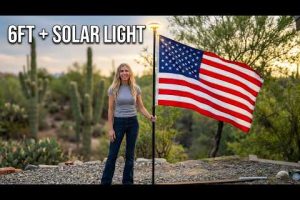



Solar-powered garden lights have transformed the way homeowners illuminate outdoor spaces, offering an energy-efficient, cost-effective, and environmentally friendly alternative to traditional electric lighting. Whether you are redesigning your backyard landscape, enhancing curb appeal along your walkway, or simply adding ambiance to your patio, understanding how garden lights solar power technology works can help you make smarter purchasing decisions. This comprehensive guide covers everything from the science behind photovoltaic illumination to practical installation tips, buying criteria, and expert recommendations that will help you build a stunning solar-lit garden all year round.
How Solar Garden Lights Convert Sunlight into Illumination
At the heart of every solar garden light is a small photovoltaic (PV) panel that captures photons from sunlight and converts them into direct current (DC) electricity. This energy is then stored in rechargeable batteries — typically lithium-ion or nickel-metal hydride — and released automatically through LED bulbs when ambient light levels drop in the evening. The entire process is fully autonomous, meaning no wiring, no electricity bills, and no dependence on the grid.

The efficiency of a solar light depends on several factors, including the quality of the solar cell, the capacity of the battery, and the brightness rating of the LED. Modern solar panels can convert between 15% and 22% of incoming sunlight into usable energy, and LED technology has reached a point where a single low-wattage diode can produce the same lumens as a traditional incandescent bulb while consuming a fraction of the power.
Types of Solar Garden Lights You Can Install
Not all solar lights serve the same purpose. Understanding the different categories will help you choose the right products for each area of your garden.
Pathway and Bollard Lights
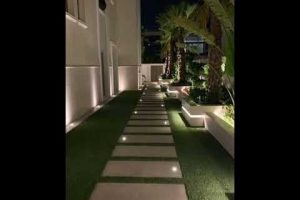
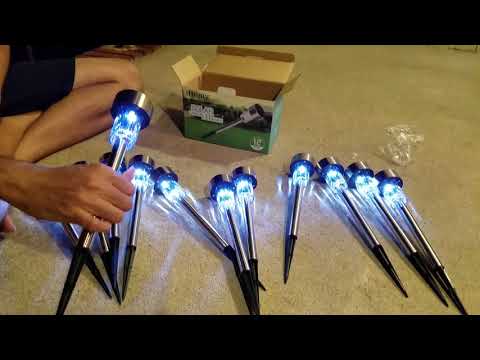
These are the most popular category of solar garden lights. Pathway lights are designed to line walkways, garden borders, and driveways, providing soft, ground-level illumination. Bollard lights are taller and offer a slightly wider spread. Both types typically use 1 to 3 watts per unit and are ideal for safety and decorative purposes.
Spotlights and Floodlights

For accentuating trees, architectural features, or garden sculptures, solar spotlights deliver concentrated beams of light. Solar floodlights cover a broader area and are excellent for motion-activated security. These units usually require larger solar panels and higher-capacity batteries to sustain peak brightness through the night.
String Lights and Lanterns
Solar string lights and decorative lanterns create a warm, inviting atmosphere on patios and pergolas. They are typically designed for aesthetic appeal rather than functional brightness, making them a favorite for outdoor entertaining and seasonal décor.
How to Choose the Right Solar Garden Lighting System
Selecting the best solar lights for your garden requires evaluating several key specifications. Here is what matters most.
- Solar Panel Efficiency — Monocrystalline panels outperform polycrystalline and thin-film alternatives in low-light and cloudy conditions. If you live in a region with frequent overcast weather, prioritize lights with high-efficiency monocrystalline cells.
- Battery Capacity — Measured in milliamp-hours (mAh), battery capacity determines how long a light stays illuminated after dark. Look for batteries rated at 1,000 mAh or higher for reliable all-night performance.
- Lumens Output — Lumens measure brightness. Pathway lights typically range from 2 to 10 lumens per LED, while solar spotlights can deliver 50 to 200 lumens or more per unit.
- IP Rating for Weatherproofing — An IP65 or IP67 rating ensures the light can withstand rain, dust, and humidity without internal damage.
- Automatic Sensors — Quality solar lights include a built-in photoresistor or dusk-to-dawn sensor that activates the light at sunset and deactivates it at sunrise.
Installation Tips for Maximum Solar Charging Efficiency
Even the best solar garden lights will underperform if they are not installed correctly. Follow these expert tips to get the most out of your system.
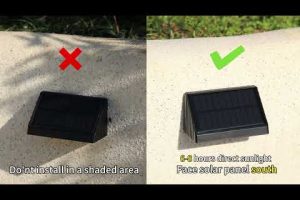
- Position panels in direct sunlight: Place the solar panel facing south (in the Northern Hemisphere) and ensure it receives at least six to eight hours of direct sunlight per day.
- Avoid shade from trees and structures: Overhanging branches, fences, and roof overhangs can drastically reduce charging efficiency.
- Angle the panel appropriately: A tilt angle roughly equal to your geographic latitude maximizes annual solar exposure.
- Clean the panels regularly: Dust, pollen, bird droppings, and leaf litter can block sunlight. A simple wipe-down with a damp cloth once a week keeps performance optimal.
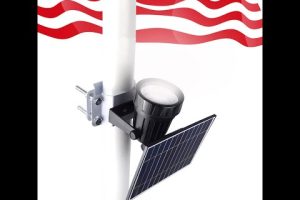
- Use separate solar panel units for high-demand lights: Some solar floodlights come with detachable panels that can be mounted in the sunniest spot while the light fixture itself is placed where it is needed most.
Solar vs. Traditional Garden Lights: A Side-by-Side Comparison
When evaluating outdoor lighting options, it helps to compare solar-powered systems directly against traditional electric alternatives. The table below highlights key differences.
| Feature | Solar Garden Lights | Traditional Electric Lights |
| Power Source | Sunlight (free, renewable) | Grid electricity (recurring cost) |
| Installation | No wiring required; portable | Requires electrical wiring and outlets |
| Energy Cost | $0 to operate | Adds to monthly utility bill |
| Brightness | Moderate to high (improving rapidly) | Consistent and high output |
| Weather Dependency | Charging reduced on cloudy days | Unaffected by weather |
| Maintenance | Low; periodic panel cleaning | Low; occasional bulb replacement |
| Environmental Impact | Zero emissions during operation | Carbon footprint from electricity use |
Maintenance and Longevity: Keeping Your Solar Lights Running Strong
One of the biggest advantages of garden lights solar power systems is their low maintenance profile, but they are not entirely maintenance-free. Rechargeable batteries typically last between one and three years before needing replacement. LED bulbs, on the other hand, can endure 25,000 to 50,000 hours of use — often a decade or more of nightly operation. To extend the life of your entire system, store lights indoors during extended periods of snow or ice coverage, replace batteries annually in high-use areas, and check the integrity of the solar panel seal to prevent moisture infiltration.
Expert Recommendations for 2024 and Beyond
The solar lighting market has matured significantly in recent years. Newer models from reputable brands now feature smart connectivity, allowing you to adjust brightness levels and timers through a smartphone app. Some advanced systems integrate with smart home ecosystems, so your solar garden lights can respond to voice commands or motion sensors tied to your security setup. When shopping, look for products with replaceable batteries, modular solar panels, and third-party certifications such as Energy Star or UL listing for added peace of mind.
Frequently Asked Questions About Solar Garden Lights
1. How long do solar garden lights stay on after dark?
Runtime depends on battery capacity and daily solar exposure. Most quality solar pathway lights stay illuminated for eight to twelve hours on a full charge, while high-capacity solar spotlights and floodlights may run for six to ten hours at full brightness. Reducing the lumens setting or using a dimming mode can extend runtime significantly.
2. Do solar garden lights work on cloudy or rainy days?
Yes, but with reduced charging efficiency. Even on overcast days, solar panels can capture diffused light and generate electricity, though the charging rate drops by 30% to 50% compared to direct sunlight. Lights designed with larger solar panels and higher-capacity batteries handle cloudy conditions far better than budget models.
3. Can I replace the batteries in my solar garden lights?
Many solar garden lights use replaceable rechargeable batteries, typically AAA or AA nickel-metal hydride or lithium-ion cells. Replacing batteries annually is the single most effective way to maintain consistent brightness and extend the lifespan of your lighting system. Always match the replacement battery to the manufacturer’s specifications for voltage and capacity.
4. What is the average lifespan of solar garden lights?
With proper maintenance, a well-built solar garden light can last between three and five years for the entire unit, with individual LED modules lasting even longer. The main limiting factor is usually the rechargeable battery, which degrades over time and typically needs replacement every one to three years depending on usage patterns and climate conditions.
5. Are solar garden lights bright enough for security purposes?
Modern solar floodlights and spotlights can deliver between 100 and 400 lumens per unit, which is sufficient for deterring intruders and illuminating entryways. For dedicated security applications, look for models with motion sensors, wide beam angles (120 degrees or more), and detachable solar panels that can be placed in full sun regardless of where the light is mounted.
6. Is it worth investing in higher-priced solar garden lights?
Absolutely. Premium solar lights use monocrystalline panels with higher conversion efficiency, lithium iron phosphate (LiFePO4) batteries that last longer and perform better in cold weather, and durable aluminum or stainless steel housings that resist corrosion. While the upfront cost is higher, the improved performance, longer lifespan, and reduced need for replacements make premium solar garden lights a smarter long-term investment than cheaper alternatives.
Final Thoughts
Solar garden lighting represents one of the smartest upgrades any homeowner can make to their outdoor space. It combines sustainability, convenience, and aesthetic value into a single, self-sustaining system that requires virtually no ongoing cost. By understanding the technology, choosing the right products for each area of your garden, and following proper installation and maintenance practices, you can enjoy a beautifully illuminated landscape every evening — powered entirely by the sun. Whether you are starting small with a few pathway lights or designing a comprehensive solar lighting plan for your entire property, the principles outlined in this guide will help you achieve professional-quality results with confidence.