


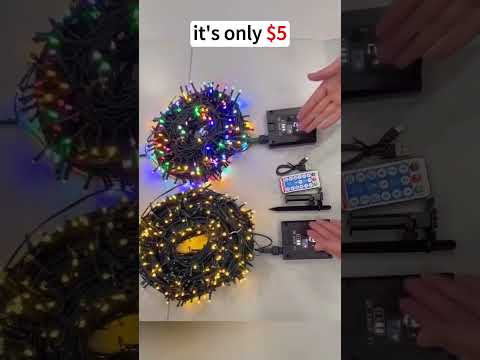
When the winter breeze sets in and the nights grow longer, transforming your home into a winter wonderland becomes the ultimate goal. If you are looking to elevate your curb appeal and capture the true spirit of the holiday season, investing in high-quality christmas lights outdoor is the absolute best place to start. Gone are the days of simple, single-strand white bulbs; today’s outdoor holiday lighting options are vast, vibrant, and capable of turning even the most modest suburban home into a neighborhood showstopper. Whether you are a complete novice just starting your first display or a seasoned pro looking to upgrade your setup, understanding the nuances of exterior lighting can make all the difference between a lackluster look and a jaw-dropping festive facade.
Types of Outdoor Christmas Lights
Incandescent vs LED Bulbs
Choosing the right type of outdoor lighting is foundational to any successful holiday display. The market offers a surprising variety of options, each designed for specific architectural features and aesthetic preferences. For classic, bold illumination, C9 bulbs remain the undisputed kings of rooflines and pathways. These larger, vintage-style bulbs provide a warm, glowing intensity that is instantly recognizable as traditional holiday charm. On the other hand, C7 bulbs are slightly smaller and work beautifully for smaller trees, garage peaks, and mid-level accents. If you are looking for a modern, energy-efficient approach, LED (Light Emitting Diode) technology has completely revolutionized the industry. LED mini-lights are incredibly versatile, perfect for wrapping trees and weaving through garlands. Furthermore, specialized options like net lights make covering large evergreen bushes effortless, while icicle lights create a stunning, cascading effect under eaves and overhangs. Choosing the right combination of these types ensures you achieve both depth and visual interest in your outdoor display.
LED vs. Incandescent: Which Should You Choose?
Making the right choice between LED and traditional incandescent bulbs is one of the most critical decisions you will make for your outdoor setup. Each technology has distinct advantages and disadvantages depending on your specific needs and energy goals. Below is a detailed comparison to help you decide which option aligns best with your holiday vision.
| Feature | LED Lights | Incandescent Lights |
| Energy Efficiency | Uses up to 90% less energy | Higher energy consumption |
| Lifespan | Up to 25,000 hours | Approximately 1,000 hours |
| Brightness & Warmth | Bright, cool light (improving) | Warm, classic glow |
| Price Point | Higher upfront cost | Lower upfront cost |
| Durability | Fragile plastic housing, shatterproof | Glass bulbs, prone to breaking |
| Ideal Use Cases | Long-term installations, large trees | Short-term displays, rustic decor |
How to Safely Install Outdoor Christmas Lights
Weatherproofing and Electrical Safety
Once you have selected your perfect christmas lights outdoor setup, the installation process requires careful planning and strict adherence to safety protocols. Hanging lights outdoors involves working at heights and dealing with exposed electrical components, which means cutting corners on safety is never an option. Before you even plug in a single strand, follow this safety checklist to protect your home and family:

- Inspect every cord for fraying, cracking, or bare wires.
- Ensure your light strings are rated for outdoor use, as indoor-only lights lack waterproof insulation necessary to withstand rain, snow, and ice.
- Use insulated hooks or clips specifically designed for exterior lighting—never use metal staples or nails, as these can easily puncture the wire coating and create severe electrical hazards.
- Connect your light strands to a GFCI protected outlet to prevent electrical shock in wet conditions.
Furthermore, if you are running lights across the roof, consider using a sturdy ladder on stable ground and having a spotter to ensure your footing remains secure throughout the installation process. Taking these precautions seriously guarantees that your festive display remains both beautiful and entirely safe for your family and neighbors.
Advanced Strategies for a Breathtaking Display
Creating Depth and Layering
For those ready to move beyond the basics, mastering the art of layering and depth will transform your home from simply decorated to truly spectacular. The secret to a professional-looking outdoor display lies in the strategic use of light temperatures and placement. Start by establishing a foundation of ambient lighting, such as net lights or icicle strands along the roofline, which provides a uniform glow across the home’s exterior. Next, add mid-level focal points by wrapping the trunks of prominent trees with warm white LED mini-lights or C9 bulbs, drawing the eye upward toward the roof. Finally, incorporate accent lighting at ground level using pathway stakes or spotlights to illuminate walkways and architectural details. When selecting colors, limit your palette to two or three complementary hues to avoid visual clutter; a classic combination of warm white, red, and green creates a timeless, festive atmosphere. Additionally, consider the pacing of your lights—keeping bulbs consistently spaced prevents a chaotic, cluttered appearance and gives your display a polished, professional finish.
Expert Tips for Maintaining Your Outdoor Lights
Investing in high-quality christmas lights outdoor is only half the battle; maintaining them ensures your display shines brightly for years to come. One of the most common issues homeowners face is a single dead bulb taking down an entire strand. Modern light sets often feature quick-replace fuses or shunt technology, but it is always wise to keep a spare bulb kit on hand during the holiday season. When the season ends, proper storage is crucial to preventing tangled wires and cracked sockets the following year. Rather than loosely wrapping strands around your hands—which inevitably leads to frustrating knots—follow these steps for safe, organized storage:
- Use a dedicated light reel or wrap each strand around a piece of cardboard.
- Place the wrapped strands into sealed plastic tubs to protect against moisture and pests.
- Always label your cords with the location they were used in, such as ‘front roof’ or ‘back tree’.
By implementing these storage habits, you will drastically reduce the time spent untangling wires next November and extend the functional lifespan of your holiday lighting investment.
Frequently Asked Questions
What is the best type of christmas lights outdoor for heavy snow regions?
For heavy snow regions, LED icicle lights and waterproof LED net lights are the best options. LED bulbs generate minimal heat, reducing the risk of melting snow unevenly or creating dangerous ice dams on your roofline. Furthermore, their weatherproof casings are specifically engineered to withstand freezing temperatures and ice buildup without cracking or shattering, ensuring your display remains vibrant and safe throughout the harshest winter storms.
How many watts should outdoor christmas lights use per strand?
A standard strand of outdoor christmas lights typically uses between 25 and 50 watts for LED models and 40 to 100 watts for traditional incandescent C9 bulbs. Always calculate your total wattage before connecting multiple strands to prevent circuit overloads. Overloading circuits not only blows fuses but can also lead to electrical fires, especially when strands are plugged into older home outlets that may not support modern power demands.
Can you leave outdoor christmas lights on in the rain?
Yes, you can leave outdoor christmas lights on in the rain, provided they are specifically rated as waterproof or weather-resistant. Look for lights with an IP65 or IP67 rating, which guarantees protection against water jets and heavy rainfall. However, it is still a good practice to turn off your displays when leaving the house or going to bed, as a precaution against unforeseen electrical surges or faulty wiring during severe weather.
What is the best way to hang outdoor christmas lights without nails?
The best way to hang outdoor christmas lights without nails is by using insulated plastic hooks, gutter clips, or adhesive-backed mounting strips. These alternatives secure your light strands firmly in place without risking damage to your siding, gutters, or roof shingles. Using the appropriate mounting hardware also allows for quick adjustments throughout the season, ensuring your display stays perfectly aligned even in windy conditions.
How do you troubleshoot outdoor christmas lights that keep blowing fuses?
If your outdoor christmas lights keep blowing fuses, the most common culprits are frayed wires, moisture inside the sockets, or connecting too many strands together in a single circuit. Start by inspecting the entire length of the cord for any visible damage. If the wires are intact, try replacing the fuses with exact matching amperage ratings. If the problem persists, it may indicate a short circuit in the strand, requiring immediate replacement to ensure the safety of your home’s electrical system.
Conclusion
Creating a magical holiday atmosphere with the right christmas lights outdoor does not require a massive budget or professional installation experience. By understanding the different types of bulbs available, prioritizing electrical safety during installation, and employing advanced layering techniques, you can achieve a stunning exterior display that will be the envy of the entire neighborhood. Remember to invest in durable, weather-resistant materials, store your lights properly between seasons, and never compromise on safety when working with electricity at height. With the right preparation and a little creative vision, your home will radiate holiday cheer for miles around, bringing joy to your family and spreading festive warmth throughout your community. Happy decorating!