


When it comes to transforming the look, safety, and functionality of your home’s exterior, few upgrades deliver as much impact as choosing the right exterior light fixture. Whether you are illuminating a sprawling driveway, accentuating architectural details, or creating a welcoming entrance for guests, outdoor lighting serves both a practical and aesthetic purpose that many homeowners tend to underestimate. The market today offers an extraordinary range of styles, technologies, and materials designed to withstand the elements while elevating curb appeal. In this comprehensive guide, we will walk you through everything you need to know about exterior light fixtures — from understanding the different categories available to selecting the perfect one for your home, installation best practices, energy-efficient options, and maintenance strategies that ensure your investment lasts for years.
What Is an Exterior Light Fixture?
An exterior light fixture, also commonly referred to as outdoor lighting fixtures or weather-resistant luminaires, is a purpose-built lighting unit designed for installation outside the home. These fixtures are engineered with protective housings, seals, and materials that guard against moisture, dust, temperature fluctuations, and ultraviolet exposure. Unlike indoor lighting, exterior-rated fixtures meet specific safety standards — often marked with an IP rating (Ingress Protection) — that guarantees reliable performance in harsh outdoor conditions. From classic porch lanterns to modern LED wall packs, the exterior light fixture category encompasses an impressive variety of form factors, each serving distinct illumination needs around residential and commercial properties.
Types of Exterior Light Fixtures
Understanding the different categories of outdoor light fixtures is the first step toward making a confident purchase. Each type serves a unique role in your overall landscape lighting plan, and many homeowners benefit from combining several styles for layered outdoor illumination.
1. Porch Lights and Entryway Fixtures
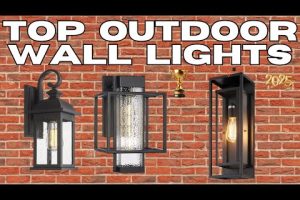
Porch lights and entryway fixtures are among the most recognizable exterior light fixture types. Mounted near front doors, side entrances, or covered porches, these units provide essential task lighting while establishing a strong first impression. Popular subcategories include sconces, carriage-style lanterns, and contemporary wall-mounted pods.
2. Floodlights and Motion-Sensor Lights
Floodlights deliver broad, high-intensity illumination across large areas such as backyards, garages, and commercial building facades. Motion-sensor floodlights add an intelligent layer of security by activating automatically when movement is detected, deterring intruders while conserving energy.
3. Pathway and Bollard Lights
Pathway lights and bollard fixtures guide foot traffic along walkways, garden paths, and staircases. These low-profile outdoor light fixtures combine safety with landscape aesthetics, casting a soft downward glow that highlights landscaping features without creating harsh glare.
4. Hardscape and Deck Lights
Recessed deck lights, step lights, and rail-mounted fixtures are designed for seamless integration into hardscaped surfaces. They enhance safety on stairs and ramps while adding a sophisticated, almost invisible lighting effect that highlights architectural textures.
5. String Lights and Festive Outdoor Fixtures
For patios, pergolas, and outdoor dining areas, string lights and decorative outdoor fixtures create an inviting ambiance. These are popular choices for seasonal décor and year-round entertainment spaces.

Key Materials and Finishes for Exterior Fixtures
The material and finish of an outdoor light fixture directly impact its durability, visual appeal, and resistance to corrosion. Choosing the right material ensures that your investment performs well through seasons of rain, snow, heat, and humidity.
- Stainless Steel: Highly corrosion-resistant with a sleek, modern appearance. Ideal for coastal and humid environments.
- Aluminum: Lightweight and naturally resistant to rust. Often powder-coated for added protection and color options.
- Copper and Brass: Premium materials that develop a natural patina over time. They offer timeless elegance and exceptional longevity.
- Cast Iron: Extremely durable and heavy, providing superior wind resistance. Commonly used in traditional and industrial-style fixtures.
- Polycarbonate and Plastic: Budget-friendly and shatter-resistant. Modern UV-stabilized polymers offer surprisingly long lifespans for the price.
- Powder-Coated Finishes: A protective coating applied over metal surfaces that prevents scratching, fading, and oxidation.
How to Choose the Right Exterior Light Fixture
Selecting the perfect outdoor lighting fixture involves evaluating several factors that go beyond aesthetics. Here is a practical framework to guide your decision-making process.
Consider Your Climate and Environment
Homes in regions prone to heavy snowfall, salt air, or extreme humidity require fixtures with higher IP ratings and corrosion-resistant materials. A coastal home, for instance, demands marine-grade stainless steel or sealed aluminum housings to survive constant exposure to salt spray.
Match Fixture Style to Your Home’s Architecture
The best exterior light fixtures complement the architectural style of your home. Traditional colonial and Victorian properties pair beautifully with brass lanterns and sconces, while mid-century modern and contemporary homes benefit from clean geometric lines and matte black or brushed nickel finishes.
Determine the Purpose of Each Light
Ask yourself what function each fixture needs to serve. Do you need bright security lighting for the garage? A soft accent glow for garden features? Warm welcome light at the front door? Mapping out your illumination goals before shopping prevents wasted purchases and ensures cohesive results.
Check the IP Rating and UL Listing
Always verify that your chosen fixture carries a recognized safety certification. The IP (Ingress Protection) rating indicates how well the fixture resists dust and water — IP65 and above are generally recommended for most outdoor applications. A UL (Underwriters Laboratories) listing confirms that the fixture has passed rigorous safety testing.
Installation Tips and Best Practices
Proper installation is critical to the performance, safety, and lifespan of any outdoor light fixture. While some fixtures are designed for straightforward DIY mounting, others — especially hardwired options — benefit from professional electrical work.
- Turn off the power supply at the circuit breaker before beginning any electrical installation work.
- Use weatherproof junction boxes to house all wire connections and protect them from moisture infiltration.
- Mount fixtures at the correct height — porch sconces should sit approximately 66 to 72 inches from the ground for optimal illumination and visual balance.
- Seal all gaps with silicone caulk around mounting points to prevent water intrusion behind the fixture housing.
- Use outdoor-rated wire and connectors rated for direct burial or wet location use.
- Test the fixture after installation and before finalizing mounting to confirm proper operation.
Energy-Efficient Options for Outdoor Lighting
Modern exterior light fixtures increasingly leverage advanced LED technology that dramatically reduces energy consumption compared to traditional incandescent and halogen bulbs. LED outdoor lights use up to 80% less energy and last significantly longer — often 25,000 to 50,000 hours — which translates to lower utility bills and reduced maintenance frequency. Solar-powered exterior fixtures represent another eco-friendly category that requires no wiring and operates independently of the electrical grid. Smart outdoor lighting systems now allow homeowners to schedule illumination, adjust brightness levels, and integrate exterior lights with home automation platforms for maximum convenience and efficiency.
Maintenance and Care Tips
Even the most durable exterior light fixtures benefit from regular maintenance to maintain their appearance and performance. Here are expert tips to keep your outdoor lighting system operating at peak condition:

- Clean fixtures quarterly with a mild soap solution and soft cloth to remove dirt, pollen, and environmental residue that dulls light output.
- Inspect seals and gaskets annually for signs of wear, cracking, or deterioration that could compromise weather resistance.
- Replace bulbs promptly when you notice dimming or flickering, as mismatched wattage can stress fixture components.
- Trim vegetation regularly to prevent plants from obstructing light paths or resting against fixtures, which can trap moisture.
- Apply protective wax or sealant to metal fixtures in harsh climates to extend their corrosion resistance.
Comparison Table: Popular Exterior Light Fixture Types
| Fixture Type | Best For | Average Lifespan | Energy Efficiency | Price Range |
| Porch Sconces | Entryway illumination, curb appeal | 15-20 years | High (LED) | $40 – $200 |
| Floodlights | Security, large area coverage | 10-15 years | Very High (LED) | $30 – $150 |
| Pathway Lights | Landscape lighting, safety | 15-25 years | High (LED/Solar) | $15 – $80 per unit |
| Deck Step Lights | Safety on stairs and ramps | 20+ years | High (LED) | $10 – $50 per unit |
| Solar Fixtures | Wire-free, eco-friendly options | 5-10 years (battery) | Maximum (solar) | $10 – $60 |
| Hardscape Recessed Lights | Architectural accent lighting | 20+ years | High (LED) | $25 – $120 per unit |
Conclusion

Choosing the right exterior light fixture is one of the most impactful decisions a homeowner can make for both functionality and visual appeal. From selecting weather-appropriate materials and matching fixture styles to your home’s architecture, to prioritizing energy efficiency and following proper installation protocols — every detail matters. The outdoor lighting market offers solutions for every budget, preference, and technical requirement, making it possible to create a beautifully illuminated exterior that enhances safety, security, and curb value. Take the time to plan your outdoor lighting strategy thoughtfully, invest in quality fixtures, and enjoy the transformation that professional-grade exterior illumination brings to your property.
Frequently Asked Questions
What is the best exterior light fixture for a rainy climate?
In rainy or high-moisture climates, look for fixtures rated IP65 or higher with corrosion-resistant materials such as marine-grade stainless steel or powder-coated aluminum. These outdoor light fixtures are specifically designed to repel water and resist rust, ensuring safe and reliable operation even during prolonged wet seasons.
Can I install an exterior light fixture myself, or do I need a professional electrician?
Simple plug-in or solar-powered fixtures are excellent DIY projects that most homeowners can handle without professional help. However, hardwired fixtures that require connection to your home’s electrical system should ideally be installed by a licensed electrician to ensure code compliance, proper grounding, and long-term safety.
What is the difference between an IP44 and an IP65 exterior light fixture?
The IP rating measures a fixture’s resistance to dust and water. IP44 protects against splashing water from any direction, making it suitable for sheltered outdoor areas like covered porches. IP65 provides complete dust protection and resistance to low-pressure water jets, making it the better choice for exposed, fully outdoor installations that face direct rain, wind, and debris.
How do smart exterior light fixtures work and are they worth the investment?
Smart outdoor lighting fixtures connect to your home’s Wi-Fi network and can be controlled via smartphone apps, voice assistants, or automated schedules. They offer features like dimming, color temperature adjustment, motion detection, and integration with broader home automation ecosystems. For homeowners seeking convenience, energy savings, and enhanced security, smart exterior light fixtures represent a worthwhile investment that pays dividends in both functionality and long-term energy cost reduction.
What LED color temperature is best for exterior light fixtures?
For exterior applications, color temperatures between 2700K and 3000K produce a warm, inviting glow that is ideal for entryways, porches, and patios. 4000K to 5000K neutral-white options work well for task-oriented areas like driveways, garages, and security floodlights where maximum visibility is the priority. Choosing the right LED color temperature for each zone of your home’s exterior ensures both aesthetic harmony and functional effectiveness across your entire outdoor lighting scheme.