


Growing a thriving garden has always depended on one thing more than anything else: light. Whether you are cultivating seedlings on a windowsill or managing a full-scale indoor grow operation, the quality and spectrum of light your plants receive can make or break your harvest. This is where fossil light grow a garden technology comes into play — a modern approach to indoor gardening that leverages advanced lighting solutions to replicate the sun’s energy in ways that traditional bulbs never could. If you have been searching for how to maximize plant growth, boost yields, and create the perfect growing environment, understanding fossil light systems is a game-changer you do not want to overlook.
What Does Fossil Light Mean in Modern Gardening?
The term fossil light refers to advanced LED grow light systems designed with spectral science that draws inspiration from the natural sunlight ancient plants evolved under over millions of years. Think about how prehistoric ferns and mosses thrived under specific wavelengths before the age of flowering plants. Modern fossil light grow technology attempts to recreate those optimal light profiles, tailored specifically for the plants you are growing today. Unlike cheap fluorescent strips or outdated incandescent bulbs, these systems deliver full-spectrum output that mimics the sun’s natural progression from dawn to dusk.
When we talk about fossil light grow a garden, we are really discussing a complete philosophy of indoor cultivation. It is about giving every plant — from delicate herbs to heavy fruiting vegetables — exactly the photon energy it needs at each growth stage. The name “fossil” connects to the deep evolutionary history of plant life on Earth, reminding us that plants have been photosynthesizing under sunlight for hundreds of millions of years, and our job as growers is to honor that biology.
Why Fossil Light Systems Outperform Traditional Grow Lights
Traditional grow lights like high-pressure sodium (HPS) and metal halide bulbs produce a lot of heat and waste energy. They give off a harsh, monochromatic glow that looks effective but does not provide the full range of wavelengths plants need. Fossil light systems, by contrast, use tuned LED diodes arranged in specific ratios of red, blue, white, and far-red light to cover the entire photosynthetically active radiation (PAR) range.
Here is what makes fossil light technology stand out:

- Full-spectrum output that covers 400nm to 700nm, matching natural sunlight
- Low heat emission, allowing you to place lights closer to the canopy without burning leaves
- Adjustable spectrum controls so you can shift from vegetative to flowering light profiles with a dial
- Energy efficiency that cuts electricity bills by up to 60% compared to HPS alternatives
- Long lifespan rated at 50,000 to 100,000 hours, meaning years of reliable use
When you are trying to fossil light grow a garden successfully, the spectral precision matters enormously. Plants do not just need “bright light” — they need the right colors at the right time. Blue light drives vegetative growth and lush leaf development, while red light triggers blooming and fruiting. Far-red light influences stem elongation and photoperiod responses. Fossil light systems integrate all of these seamlessly.
How to Set Up a Fossil Light Garden for Beginners
If you are new to indoor gardening, the idea of investing in a fossil light system might feel intimidating. But the process is simpler than most people assume. Start by evaluating the space you have available and the types of plants you want to grow.
Step 1: Choose the Right Fixture
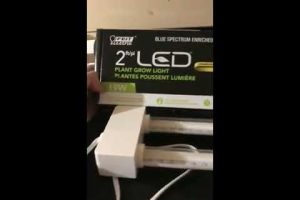
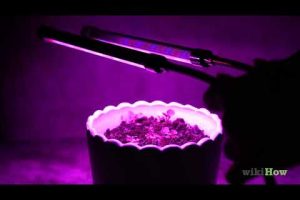
For beginners, a single bar-style fossil light panel with a wattage between 60W and 120W works well for a small closet, tent, or shelf garden. Look for fixtures that advertise a “full spectrum” or “sunlike” output. Avoid cheap purple-dominant LED panels — they look dramatic but do not provide balanced light.
Step 2: Calculate Your Light Intensity Needs
Different plants need different amounts of photosynthetic photon flux density (PPFD). Leafy greens like lettuce and basil thrive under 150 to 250 µmol/m²/s. Fruiting plants like tomatoes and peppers need 400 to 600 µmol/m²/s. Your fossil light fixture should come with a PPFD map showing the coverage area at various distances.
Step 3: Set Up Your Light Schedule
Use a simple timer to automate your photoperiod. Most vegetables need 14 to 16 hours of light per day during the vegetative phase. Switch to 12 hours on and 12 hours off to trigger flowering in plants that require short-day conditions.
Step 4: Monitor and Adjust
Keep a log of plant responses. Yellowing leaves can indicate too much light or a spectrum imbalance. Leggy, stretched growth usually means the light is too weak or too far away. Adjust your fossil light height and intensity accordingly.
Intermediate Strategies: Optimizing Your Fossil Light Setup
Once you have a basic setup running, it is time to refine your approach. Intermediate growers understand that success comes from details. Consider these expert tips for getting more out of your fossil light system.
Light Mover Systems. Mounting your fossil light panel on a motorized rail or light mover spreads the light across a wider area, eliminating hotspots and ensuring every leaf receives even coverage. This simple upgrade can increase your effective growing area by 30% without adding another fixture.
Reflective Environment. Line your grow tent or room with Mylar or white paint to maximize light utilization. Every photon that bounces back toward the canopy is a photon your plants can use for photosynthesis. Fossil light systems work even better in reflective environments because the photons travel further before being absorbed.
Supplemental CO₂. When you pair a high-quality fossil light setup with increased carbon dioxide levels (around 1000 to 1500 ppm), your plants will photosynthesize at dramatically higher rates. The light provides the energy; the CO₂ provides the raw material. Together, they supercharge growth.
Advanced Techniques for Expert Fossil Light Gardeners
For experienced growers, fossil light technology opens up possibilities that were impossible with older lighting systems. Light recipe programming, multi-zone spectral control, and integration with environmental sensors represent the cutting edge of indoor horticulture.
Advanced users often configure their fossil light fixtures to deliver UV-A and UV-B wavelengths in controlled doses. Ultraviolet light triggers the production of secondary metabolites — essential oils, anthocyanins, and antioxidants — that improve both the flavor and the medicinal potency of your crops. Cannabis growers, herbalists, and specialty vegetable producers have all reported measurable improvements in quality when UV supplementation is added to their fossil light setup.
Another advanced strategy involves interlighting — placing smaller fossil light bars in the middle of the canopy, between branches, rather than only overhead. This approach ensures that lower leaves deep inside the plant receive direct photons, reducing the common problem of lower leaf yellowing and bud site underdevelopment.
Comparison Table: Fossil Light vs. Traditional Grow Lighting
| Feature | Fossil Light LED | HPS/MH Bulb | Fluorescent T5 |
| Spectrum Range | Full spectrum (tunable) | Limited (orange/white) | Limited (cool/warm white) |
| Energy Efficiency | Excellent (2.5 µmol/J) | Poor (1.0 µmol/J) | Moderate (1.7 µmol/J) |
| Heat Output | Very Low | High | Low |
| Lifespan | 50,000–100,000 hrs | 10,000–24,000 hrs | 20,000–40,000 hrs |
| Electricity Cost (annual) | $50–$150 | $200–$500 | $80–$200 |
| Best For | All growth stages, full gardens | Flowering only (supplemental) | Seedlings, small herbs |
| Initial Cost | $ | $ | $ |
| Maintenance | Minimal (no bulb swaps) | Frequent bulb replacement | Moderate (ballast issues) |
Common Mistakes to Avoid When Using Fossil Light Systems
Even with the best fossil light grow a garden setup, mistakes can sabotage your results. Here are the most common pitfalls to watch out for:
- Overdosing light intensity. More is not always better. Too much PPFD causes photoinhibition, where the plant’s photosynthetic machinery actually gets damaged. Use the PPFD map as a guide and keep light-hungry plants at the recommended distance.
- Ignoring the dark period. Plants need uninterrupted darkness for respiration and certain metabolic processes. Never leave your fossil light on 24/7 unless you are running a specific propagation protocol that calls for it.
- Neglecting distance management. As your plants grow taller, you must raise your lights accordingly. A fixture that is perfect for seedlings becomes a canopy-scorching hazard if left in place during the flowering stage.
- Using the wrong spectrum at the wrong time. Running a heavy blue spectrum during flowering will produce tall, stretchy plants with poor bud development. Match your fossil light settings to the plant’s current growth phase.
Final Thoughts and Expert Recommendations
Fossil light technology represents a serious leap forward for anyone who wants to grow a garden indoors. The combination of full-spectrum precision, energy efficiency, and spectral programmability gives you tools that previous generations of growers could only dream about. Whether you are starting your first herb garden on a kitchen counter or managing a commercial-scale indoor farm, the principles remain the same: give your plants the right light at the right time, and they will reward you with vigorous growth and bountiful harvests.
Start simple, invest in quality fossil light hardware, learn to read your plants’ signals, and gradually expand your knowledge and setup over time. The garden you grow under fossil light will not only survive — it will thrive in ways that outdoor gardens simply cannot match when seasons turn harsh or space is limited.
Frequently Asked Questions
What plants benefit most from fossil light growing systems?
Fossil light systems work exceptionally well for leafy greens, herbs, tomatoes, peppers, strawberries, cannabis, and ornamental flowers. Because these systems offer tunable full-spectrum output, virtually any plant species can be grown successfully under them. The key is adjusting the spectrum and intensity to match each plant’s specific needs at every growth stage.
How far should I hang my fossil light from the plant canopy?
For most fossil light LED panels, a hanging distance of 18 to 36 inches from the canopy is recommended for the vegetative stage. During the flowering phase, when plants need more intense light, you can reduce the distance to 12 to 24 inches — but always check the manufacturer’s PPFD map and guidelines to avoid light burn. Monitor leaf temperature with an infrared thermometer to ensure it stays below 85°F (29°C).
Can I use fossil light to grow a garden year-round indoors?
Absolutely. One of the greatest advantages of fossil light technology is that it removes your dependence on seasonal sunlight. You can grow a productive indoor garden 365 days a year by controlling photoperiods, spectrum, and intensity with precision. This makes fossil light systems ideal for food security, commercial production, and hobby growers in any climate zone.
Do fossil light grow systems use a lot of electricity?
No — that is one of their biggest advantages. A typical 120W fossil light LED panel consumes roughly the same electricity as a standard household microwave. Over the course of a year, you can expect to pay between $50 and $150 in electricity for a single fixture, compared to $200 to $500 for an equivalent HPS system. The energy savings alone often justify the higher upfront cost within the first year of use.
Is it worth pairing a fossil light with a grow tent?
Yes, pairing a fossil light with a reflective grow tent is one of the best investments you can make for indoor gardening. The Mylar-lined walls reflect up to 95% of photons back toward your plants, effectively doubling the light coverage without increasing energy consumption. This combination maximizes your PPFD values, ensures even light distribution, and creates a controlled microclimate that promotes healthy, uniform plant growth across the entire canopy.