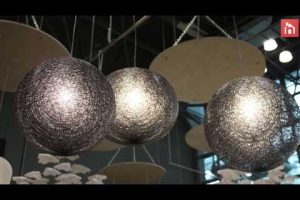



When you walk into a beautifully designed room, one of the first things that captures your attention is the lighting. Contemporary lights have transformed the way we illuminate our homes, offices, and commercial spaces, blending form and function in ways that earlier generations could only imagine. Unlike traditional fixtures that prioritize function over aesthetics, modern lighting solutions marry cutting-edge technology with sleek design principles that define today’s interior spaces. Whether you are renovating your living room, designing a new workspace, or simply looking to refresh your home’s ambiance, understanding the world of contemporary lighting is essential.
This comprehensive guide dives deep into everything you need to know about modern light fixtures, from the materials and styles dominating the market right now to practical tips for choosing and installing them. We will explore design trends, compare different fixture types, and answer the most frequently asked questions so you can make informed decisions with confidence.
What Are Contemporary Lights?

The term contemporary lighting refers to fixtures and lighting systems designed with current aesthetic sensibilities in mind. It is important to distinguish contemporary lights from modern lights, even though the two terms are often used interchangeably. Modern lighting specifically refers to the mid-20th-century design movement characterized by clean lines and industrial materials. Contemporary lights, on the other hand, reflect the current design trends — meaning they are ever-evolving and encompass a broader range of styles, materials, and technologies.
Contemporary lighting fixtures typically feature minimalist silhouettes, innovative materials like brushed nickel, matte black, frosted glass, and sustainably sourced wood, and advanced lighting technologies such as LED integration and smart controls. These fixtures are designed to serve as both functional light sources and statement pieces that elevate the overall décor of any room.
Types of Contemporary Lights You Should Know
The contemporary lighting market offers an impressive variety of fixture types, each serving specific purposes and aesthetic preferences. Understanding these categories will help you narrow down your options when shopping for the perfect fixtures.
Pendant Lights and Chandeliers
Contemporary pendant lights remain one of the most popular choices for kitchens, dining rooms, and entryways. These hanging fixtures come in an extraordinary range of shapes — from geometric globes and asymmetric silhouettes to linear multi-light arrangements. Modern chandeliers have also evolved far beyond crystal-and-brass traditions. Today’s versions feature unconventional materials like concrete, brass tubing, hand-blown glass, and even recycled elements that align with sustainable design values.
Track Lighting and Recessed Fixtures

Contemporary track lights offer remarkable versatility and are favorites among interior designers for their ability to highlight artwork, architectural features, or specific zones within a room. Recessed downlights and modern ceiling lights provide clean, unobtrusive illumination that keeps the focus on the room’s design rather than the fixture itself.
Sconces and Wall-Mounted Lights
Contemporary wall sconces add layered lighting to hallways, bedrooms, and bathrooms. Many current designs incorporate adjustable arms, dimmable LED modules, and organic shapes that create warm, inviting pools of light without taking up valuable surface space.
Floor and Table Lamps
Standalone lighting pieces like contemporary floor lamps and table lamps serve as sculptural objects in their own right. Think arched floor lamps with sculptural bases, arc lights that cast dramatic shadows, and minimalist table lamps with ceramic or concrete finishes.

Key Materials and Design Trends in Contemporary Lighting
The modern lighting design landscape is shaped by the materials and finishes that dominate current collections. Here are the trends that are defining the industry right now:
- Matte Black and Brushed Brass: These finishes have become the gold standard for contemporary fixtures, offering a sophisticated neutral palette that complements virtually any interior style.
- Sustainable and Recycled Materials: Designers are increasingly using reclaimed wood, recycled metals, and eco-friendly composites to create fixtures that align with environmentally conscious values.
- Organic and Curvilinear Forms: Gone are the days of strictly angular designs. Flowing, organic shapes inspired by nature are appearing in pendant lights, sconces, and floor lamps alike.
- Mixed Materials: Combining metal with wood, glass with concrete, or fabric with brass creates visual depth and texture that catches the eye.
- Smart Lighting Integration: Contemporary fixtures increasingly include built-in smart capabilities, allowing users to control brightness, color temperature, and even color through smartphone apps or voice assistants like Alexa and Google Home.
How to Choose the Right Contemporary Lights for Your Space
Selecting the perfect decorative contemporary lighting requires careful consideration of several factors. Below is a step-by-step approach to help you make the best choice.
- Assess Your Room’s Purpose: A kitchen needs bright, task-oriented illumination, while a bedroom benefits from soft, layered lighting. Define the primary function before browsing fixtures.
- Consider Your Ceiling Height: Pendant lights work best with ceilings that are at least seven to eight feet high. If your ceilings are lower, flush-mount or semi-flush fixtures will prevent a cramped feel.
- Match the Scale: An oversized chandelier in a small room creates visual clutter, while a tiny pendant in a large open-plan space gets lost. Measure your room dimensions and choose fixtures proportionally.
- Choose Your Color Temperature: Warm white light (2700K–3000K) creates an inviting atmosphere for living spaces, while cooler temperatures (3500K–4000K) work well in task-oriented areas like kitchens and home offices.
- Prioritize Energy Efficiency: LED-based contemporary lights consume significantly less energy and last far longer than traditional incandescent bulbs, making them the smarter long-term investment.
Comparison: Popular Contemporary Light Fixture Types
| Fixture Type | Best For | Style | Installation Complexity |
| Pendant Lights | Kitchen islands, dining tables, entryways | Statement, sculptural | Moderate (requires ceiling mounting) |
| Recessed Downlights | Ambient lighting, low ceilings | Minimalist, discreet | Moderate to complex (involves ceiling cutouts) |
| Track Lighting | Gallery walls, adjustable accent lighting | Industrial, flexible | Easy to moderate |
| Wall Sconces | Hallways, bedrooms, bathrooms | Decorative, layered | Easy (wall-mounted) |
| Arc Floor Lamps | Sofa areas, reading nooks | Sculptural, bold | Plug-and-play (no wiring) |
| Smart LED Panels | Home offices, kitchens, modern offices | Ultra-minimal, tech-forward | Easy (surface or recessed mount) |
Expert Tips for Installing and Styling Contemporary Lights
Even the most beautiful contemporary lighting fixture will fall short if it is poorly installed or styled. Here are expert recommendations that make a measurable difference:
- Layer Your Lighting: Combine ambient (general), task (functional), and accent (decorative) lighting sources in every room for a polished, professional look.
- Use Dimmers Everywhere: Installing dimmer switches on your contemporary light fixtures gives you complete control over the mood and intensity of any space throughout the day.
- Group Fixtures Strategically: When installing multiple pendant lights over a kitchen island or dining table, space them evenly and keep them at the same height for a clean, cohesive appearance.
- Embrace Negative Space: Contemporary lighting thrives on restraint. Do not overcrowd a room with fixtures. Let each piece breathe and serve a clear purpose.
- Consider CRI Ratings: The Color Rendering Index (CRI) measures how accurately a light source reveals true colors. For residential spaces, aim for a CRI of 90 or above, especially in areas where color accuracy matters, such as bathrooms and kitchens.
Why Contemporary Lights Are Worth the Investment
Investing in quality contemporary lighting solutions goes beyond aesthetics. These fixtures are designed with longevity in mind, incorporating durable materials and advanced LED technology that reduces replacement costs over time. The lighting design trends of today prioritize sustainability, energy efficiency, and adaptability — meaning your fixtures will remain relevant and functional for years to come. Furthermore, well-chosen contemporary lights can significantly increase a home’s resale value, as buyers consistently rate lighting quality among their top priorities when evaluating a property.
Whether you are drawn to the warm glow of a hand-blown glass pendant or the clean precision of a recessed LED array, the right contemporary lighting transforms spaces from ordinary to extraordinary. It creates atmosphere, defines zones within open floor plans, and highlights the architectural features and décor that you have carefully curated.
Conclusion
Contemporary lights represent the intersection of art, technology, and practical design. From sleek pendants and sculptural floor lamps to smart-integrated recessed systems, the options available today are more diverse and innovative than ever before. By understanding the different fixture types, staying informed about current trends, and following expert styling and installation advice, you can curate a lighting scheme that is both visually stunning and functionally superior. The key is to think of lighting not as an afterthought but as one of the most powerful tools you have for shaping the feel, function, and personality of every room in your space.
Frequently Asked Questions
What is the difference between contemporary lights and modern lights?
Modern lighting refers specifically to the design movement from the mid-20th century, featuring clean lines and industrial materials. Contemporary lighting reflects current design trends and is ever-evolving, incorporating a wider range of styles, materials, and technologies that define how we light spaces today.
What is the best contemporary light for a small apartment?
For small apartments, flush-mount LED fixtures and miniature pendant lights are excellent choices because they save vertical space while still providing stylish illumination. Wall-mounted sconces and plug-in arc floor lamps are also great options that avoid the need for ceiling installation.
Are contemporary LED lights worth the higher upfront cost?
Absolutely. Contemporary LED lights may cost more upfront than traditional bulbs, but they consume up to 75% less energy, last 15 to 25 times longer, and require far fewer replacements. Over time, the savings on energy bills and replacement costs far outweigh the initial investment.
Can contemporary lights work in traditional interior design styles?
Yes, one of the greatest strengths of contemporary lighting is its versatility. A sleek matte-black pendant or a brushed-brass chandelier can complement traditional interiors beautifully when chosen with care. The key is to balance the fixture’s modern lines with warm, classic décor elements in the surrounding space.
How do I clean and maintain contemporary light fixtures?
Maintenance depends on the material, but most contemporary fixtures respond well to a soft, damp microfiber cloth. Glass and metal fixtures should be cleaned with a gentle glass or metal cleaner, while fabric shades should be dusted regularly with a soft brush attachment on a vacuum cleaner. Avoid abrasive chemicals that can damage finishes and coatings.