


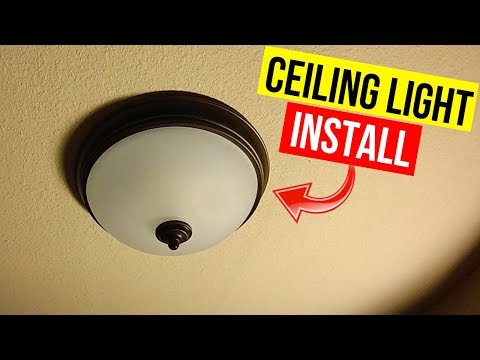
A bathroom ceiling light fixture is far more than a simple functional accessory bolted above your shower or sink. It sets the entire mood of the room, ensures safety during late-night trips to the toilet, and can elevate even the most basic bathroom into a spa-like retreat. Whether you are renovating an outdated powder room or building a brand-new home, selecting the right ceiling-mounted lighting for your bathroom is one of the most impactful decisions you will make. This comprehensive guide walks you through everything you need to know, from fixture types and IP ratings to installation best practices, energy efficiency, and expert tips that professionals rely on every day.
Your bathroom ceiling light fixture does more than illuminate a space. It affects your morning routine, your evening wind-down, and even the perceived size of the room. A poorly chosen fixture can cast harsh shadows on your mirror, create glare that strains your eyes, or worse, pose a genuine safety hazard in a wet environment. Understanding the key factors before you shop will save you time, money, and frustration. Below, we break down the most important aspects of choosing, installing, and maintaining the perfect bathroom ceiling light.

Why Your Bathroom Ceiling Light Fixture Choice Matters
Bathrooms are among the most challenging rooms to light properly. They combine moisture, steam, high humidity, and varying task requirements into a single small space. The ceiling light fixture you choose must handle all of these demands simultaneously. Here is why your decision matters more than you might think.
- Safety: Bathrooms are wet environments. A non-rated fixture exposed to moisture can short-circuit, spark, or become a electrocution hazard.
- Functionality: You need even, shadow-free lighting for shaving, applying makeup, and grooming tasks.
- Aesthetics: The right fixture ties the room’s design together, acting as a visual anchor above the shower, tub, or vanity area.
- Energy Efficiency: Modern ceiling light options for bathrooms can reduce your electricity bill significantly compared to outdated incandescent models.
- Resale Value: Updated, well-chosen bathroom lighting is one of the top features homebuyers notice during inspections.
Types of Bathroom Ceiling Light Fixtures
Not all ceiling lights are created equal, and the type you select depends on your bathroom size, ceiling height, design style, and personal preference. Below are the most popular categories of bathroom ceiling light fixtures available on the market today.
Flush Mount Ceiling Lights
A flush mount bathroom ceiling light fixture sits directly against the ceiling with no gap between the mounting base and the surface. These are ideal for bathrooms with low ceilings or smaller spaces where a dangling fixture would feel cramped. Flush mounts provide broad, ambient light and are typically available in frosted glass, acrylic, or fabric diffuser styles.
Semi-Flush Mount Lights
Semi-flush fixtures hang slightly below the ceiling, usually by three to eight inches. They add a subtle sense of depth and dimension to the room while still maintaining a compact profile. Semi-flush bathroom ceiling lights work well in medium-sized bathrooms where you want a bit more visual interest than a standard flush mount provides.
Recessed Ceiling Lights
Recessed bathroom ceiling light fixtures, also known as can lights or downlights, sit inside the ceiling cavity itself. They offer a sleek, minimalist, and modern look. Recessed fixtures are excellent for larger bathrooms or open-concept layouts where you want clean lines and directional lighting. They require careful planning during construction or a major remodel because the housing must be installed inside the ceiling joists.
Mini Pendant Lights
While pendants are often associated with kitchens, compact mini pendants have become increasingly popular as bathroom ceiling light options. They work best in larger bathrooms with vaulted or high ceilings, providing a focused pool of light over a vanity or freestanding tub. Choose mini pendants with sealed or damp-rated housings for bathroom safety.

Integrated LED Ceiling Panels
LED ceiling panels are thin, flat fixtures that provide uniform, glare-free illumination across the entire bathroom ceiling. They are extremely energy-efficient, long-lasting, and modern in appearance. These are a popular choice for contemporary bathroom designs and utility-focused spaces like en-suites and guest bathrooms.
How to Choose the Right Bathroom Ceiling Light Fixture
Understanding IP Ratings
The single most important technical specification for any bathroom ceiling light fixture is its Ingress Protection (IP) rating. The IP rating tells you how well the fixture resists moisture and dust. For bathrooms, this is not optional knowledge — it is essential.
| IP Rating | Protection Level | Where to Use |
| IP44 | Protected against splashing water from any direction | General bathroom zones away from direct shower spray |
| IP65 | Protected against water jets | Near showerheads or bathtub areas |
| IP67 | Protected against temporary immersion | Inside shower enclosures or steam rooms |
| IP68 | Protected against continuous immersion | Fully submerged or extreme wet environments |
As a general rule, any bathroom ceiling light fixture mounted within zone 0 (inside the shower or bathtub) must have an IP67 rating or higher. Zone 1 (directly above the showerhead up to 2.25 meters) requires at least IP65. Zone 2 (0.6 meters beyond zone 1) needs a minimum of IP44. Outside these zones, standard rated fixtures are acceptable.
Sizing Your Fixture Correctly
A common mistake homeowners make is choosing a ceiling light that is either too large or too small for the bathroom. A simple formula to follow is to add the room’s length and width in feet, and the resulting number in inches gives you the ideal fixture diameter. For example, a bathroom measuring 8 feet by 10 feet should use a fixture approximately 18 inches in diameter.
Brightness and Color Temperature
For grooming tasks like shaving and makeup application, you want a bathroom ceiling light that produces bright, neutral white light. Look for fixtures with a color temperature between 3000K and 4000K Kelvin. This range mimics natural daylight and renders skin tones accurately. Avoid fixtures below 2700K, as the warm yellow glow can distort how colors appear in the mirror. Consider lumens as well — a bathroom typically needs between 30 and 40 lumens per square foot for comfortable illumination.
Installation Tips for Bathroom Ceiling Lights
Installing a new bathroom ceiling light fixture is a project many DIY enthusiasts can tackle, but it requires respect for electrical safety. Follow these steps and precautions to ensure a safe and successful installation.
- Turn off the power. Always switch off the circuit breaker controlling the bathroom lighting before touching any wires. Use a voltage tester to confirm the power is completely off.
- Check the ceiling box. Ensure your existing electrical box is rated for the weight of your new fixture. Bathroom ceiling lights with fans or heavy glass components require reinforced boxes.
- Read the manufacturer’s instructions. Every fixture has specific wiring requirements and mounting hardware. Follow them exactly.
- Use a damp-rated junction box. In bathrooms, always use an electrical box rated for damp locations, even if the fixture itself has a high IP rating.
- Seal all connections. Use wire nuts rated for moisture exposure, and consider applying electrical tape over each connection for an extra layer of protection.
- Mount the bracket securely. Ensure the mounting bracket is fastened to a joist or use appropriate anchors designed for ceiling applications.
- Test before finishing. Turn the breaker back on and test the fixture before installing the final diffuser or cover. Check for flickering, buzzing, or any unusual heat.
If you are not comfortable working with electrical wiring, hire a licensed electrician. A improperly installed bathroom ceiling light fixture can lead to fire hazards, electrocution, or water damage that costs far more to repair than the cost of professional installation.
Energy Efficiency and Modern Lighting Technology
The shift from incandescent and fluorescent bathroom ceiling lights to LED technology has been one of the biggest advancements in residential lighting. LED bathroom ceiling light fixtures consume up to 75% less energy than traditional bulbs and last 15 to 25 times longer. Many modern LED fixtures come with built-in dimming capabilities, allowing you to adjust brightness for a relaxing bath or a bright morning routine. Look for fixtures with an ENERGY STAR certification to ensure you are getting genuinely efficient performance.
Smart bathroom ceiling light fixtures are also gaining popularity. These integrate with home automation systems like Amazon Alexa, Google Home, and Apple HomeKit, letting you adjust brightness, change color temperature, and set schedules with your voice or smartphone. Smart lighting adds a layer of convenience that fits perfectly into modern bathroom design trends.
Expert Tips for Maximizing Your Bathroom Ceiling Lighting
- Layer your lighting. Even the best ceiling fixture benefits from supplementary light sources. Add wall sconces flanking the mirror or a LED strip behind a medicine cabinet to eliminate facial shadows.
- Choose frosted or opaque diffusers. Clear glass fixtures create harsh glare in bathrooms. Frosted or etched diffusers soften the light and make the space feel more inviting.
- Consider dual-switch setups. Install a separate switch for your bathroom ceiling light and another for a secondary source like a vanity light. This gives you control over brightness for different tasks and times of day.
- Clean your fixtures regularly. Bathroom ceiling lights accumulate dust, soap scum, and hard water deposits. Wipe them down monthly with a gentle glass cleaner to maintain optimal brightness.
- Plan for future bulb replacement. Even with LED technology, choose fixtures with accessible bulb sockets so you can replace individual LEDs without hiring an electrician.
Conclusion
Choosing the right bathroom ceiling light fixture is a decision that affects your daily comfort, safety, and the overall aesthetic of one of the most used rooms in your home. From understanding IP ratings and sizing guidelines to exploring modern LED technology and smart features, there is a lot to consider — but the payoff is well worth the effort. Take your time, measure your space, review the specifications carefully, and do not hesitate to consult a professional if you are unsure about any aspect of the process. The right ceiling light will transform your bathroom into a space that feels brighter, safer, and more welcoming every single day.
Frequently Asked Questions
What is the best bathroom ceiling light fixture for a small bathroom?
For small bathrooms, a flush mount LED ceiling light is the best choice. It provides broad, even illumination without taking up valuable space, and its slim profile keeps the room feeling open and uncluttered. Look for a fixture with an IP44 rating or higher and a color temperature between 3000K and 4000K for the most flattering and practical lighting.
Can I install a bathroom ceiling light fixture myself?
Yes, if you have basic electrical knowledge and are comfortable working with wiring. Always turn off the circuit breaker, use a damp-rated junction box, and follow the manufacturer’s instructions exactly. If you have any doubt about your electrical skills, hire a licensed professional to avoid safety risks.
What is the difference between a damp-rated and a wet-rated bathroom ceiling light?
A damp-rated fixture is designed to withstand moderate moisture and indirect splashes, making it suitable for general bathroom use outside the shower zone. A wet-rated fixture can handle direct water exposure and is required inside shower enclosures or areas where water spray is frequent. Always match the fixture’s rating to its intended location in the bathroom.
How many lumens do I need for a bathroom ceiling light?
A bathroom typically requires between 30 and 40 lumens per square foot. For example, a 50-square-foot bathroom would need a ceiling light producing approximately 1,500 to 2,000 lumens. For task-heavy grooming areas, lean toward the higher end of that range to ensure clear, shadow-free visibility.
Are LED bathroom ceiling light fixtures worth the investment?
Absolutely. LED fixtures use significantly less energy, last far longer than traditional bulbs, produce less heat, and are available in a wide range of styles and brightness levels. While the upfront cost may be slightly higher, the long-term savings on energy bills and replacement bulbs make LED bathroom ceiling lights one of the smartest home improvements you can make.