


When it comes to kitchen design, ceiling lights for kitchen spaces are far more than a simple utility—they are the foundation of ambiance, functionality, and visual appeal. Whether you are renovating a compact apartment kitchen or designing a sprawling open-concept culinary space, choosing the right kitchen lighting fixtures can transform how the room feels, functions, and even how much you enjoy spending time in it. The wrong ceiling light can leave your countertops shadowed, your dining area flat, and your overall energy underwhelming. The right one, however, elevates everything from food preparation to late-night snack runs. In this comprehensive guide, we will explore every angle of kitchen ceiling lighting, from the best fixture types and placement strategies to installation tips, energy efficiency considerations, and expert recommendations that will help you make a confident, informed choice.

Why Kitchen Ceiling Lights Matter More Than You Think
The kitchen is universally recognized as the heart of the home, and lighting plays a central role in that identity. Unlike other rooms where aesthetics might take priority, kitchen lighting must balance task performance, ambient comfort, and style. Ceiling-mounted fixtures serve as the primary source of general illumination, filling the room with even, overhead light that reduces shadows and ensures safety while chopping, cooking, or cleaning. Recessed ceiling lights for kitchen setups, for example, have become wildly popular because they deliver clean, modern illumination without cluttering visual space. Meanwhile, flush-mount ceiling lights for kitchen areas with lower ceilings offer a practical alternative that still provides ample brightness without lowering the perceived height of the room.
Beyond function, ceiling lights set the tone. A warm, diffused glow from a stylish fixture can make a small kitchen feel welcoming and spacious, while cool, bright LED panels can energize a workspace for serious meal preparation. Research in environmental psychology consistently shows that lighting quality directly impacts mood, alertness, and even appetite—making your ceiling light choice one of the most impactful decisions in your entire kitchen design.
Types of Ceiling Lights for Kitchen Spaces
Recessed Ceiling Lights
Also known as can lights or downlights, recessed ceiling lights are installed directly into the ceiling plane, creating a sleek, seamless look. They are ideal for modern and minimalist kitchen designs where clean lines and uncluttered surfaces are priorities. Recessed fixtures work exceptionally well over kitchen islands and dining bars, providing targeted pools of light without visible hardware.
Flush Mount Ceiling Lights
Flush mount fixtures sit close to the ceiling, making them perfect for kitchens with standard 8-foot ceilings or lower. They provide broad ambient light and come in an enormous range of styles—from geometric contemporary designs to rustic farmhouse-inspired pieces. Flush mount kitchen ceiling lights are often easier to install than pendant or chandelier options, which makes them a go-to for both new construction and retrofit projects.
Pendant Lights and Chandeliers
For kitchens with higher ceilings—typically nine feet or more—pendant lights and chandeliers add dramatic visual interest while delivering focused illumination. A single large pendant over a kitchen island or a row of mini pendants above a breakfast bar creates a striking focal point. These fixtures are available in materials like brass, glass, concrete, and woven rattan, allowing you to match your kitchen’s aesthetic seamlessly.
Track Lighting Systems
Track lighting offers unmatched flexibility. The heads can be repositioned and angled to highlight specific areas such as a pot rack, a display shelf, or a backsplash. This makes track systems a favorite among homeowners who like to update their kitchen decor without replacing fixtures entirely.
Semi-Flush and Semi-Recessed Fixtures
Sitting between a full flush mount and a pendant, semi-flush fixtures extend slightly below the ceiling while still conserving vertical space. They offer a slightly more decorative presence than flush mounts while remaining practical for standard ceiling heights.
How to Choose the Best Ceiling Lights for Your Kitchen
Selecting the perfect ceiling lighting involves more than picking a style you like at a store. Several critical factors influence performance, comfort, and long-term satisfaction.
- Ceiling Height: Measure your ceiling before shopping. If you have less than 8 feet of vertical space, avoid pendants and chandeliers that hang too low. Flush mount or recessed options are your safest bets.
- Kitchen Size and Layout: Larger kitchens benefit from multiple light sources or a combination of fixture types. A single fixture rarely provides adequate coverage for open-concept or galley-style layouts.
- Color Temperature: Warm white (2700K–3000K) creates a cozy, inviting atmosphere ideal for dining and entertaining. Cool white (4000K–5000K) is sharper and more energizing, making it excellent for task-heavy cooking zones.
- Dimming Capability: LED ceiling lights with dimmer compatibility let you adjust brightness throughout the day, from bright morning prep to soft evening ambiance.
- Color Rendering Index (CRI): For accurate food colors and a pleasant cooking environment, choose fixtures with a CRI of 90 or above. This ensures your ingredients look vibrant and your meals photograph beautifully.
- Style Coherence: Your ceiling light should complement your kitchen cabinets, countertops, and overall design theme—whether that is industrial, Scandinavian, mid-century modern, or traditional.
LED vs. Incandescent vs. Fluorescent: Which Bulb Type Is Best for Kitchen Ceiling Lights?
| Feature | LED | Incandescent | Fluorescent (CFL) |
| Energy Efficiency | Excellent (uses 75% less energy) | Poor | Good |
| Lifespan | 25,000–50,000 hours | 1,000–2,000 hours | 8,000–15,000 hours |
| Brightness | Instant full brightness | Instant full brightness | Slight warm-up time |
| Heat Output | Very low | High | Moderate |
| Dimmability | Yes (with compatible dimmer) | Yes | Limited |
| Upfront Cost | Higher initially | Low | Moderate |
| Best For Kitchen Use | Highly recommended | Not recommended | Acceptable |
LED technology has become the undisputed standard for modern kitchen ceiling lights. Their superior energy efficiency, extended lifespan, and consistent brightness output make them the clear winner for homeowners looking to reduce electricity bills and minimize maintenance. When shopping for LED ceiling lights for kitchen, look for fixtures that support dimmable LED bulbs and offer adjustable color temperature options, often referred to as tunable white technology.
Placement Strategies for Maximum Impact
Even the most expensive kitchen lighting fixtures will underperform if placed incorrectly. Here are proven placement strategies used by interior designers and lighting professionals:
- Over the Kitchen Island: Install pendants or a linear chandelier 30–36 inches above the island surface. This height provides adequate task lighting without obstructing sightlines or creating glare while standing and cooking.
- Center of the Kitchen: For open-plan spaces, a central flush mount or recessed array ensures uniform ambient light across the entire room.
- Along the Perimeter: Recessed lights placed along the ceiling perimeter wash the walls with light, making the space feel larger and eliminating dark corners.
- Above the Sink and Stove: Supplemental task lighting directly above these high-use areas improves safety and precision during food preparation.
- Near the Dining Nook: If your kitchen includes a breakfast bar or dining area, a dedicated fixture over that zone creates a visual separation while providing focused light for meals.
Installation Tips and Common Mistakes to Avoid
While some homeowners tackle ceiling light installation as a DIY project, others prefer hiring a licensed electrician. Here are key tips and pitfalls to keep in mind.
DIY-Friendly Tips
- Always turn off the power at the circuit breaker before beginning any electrical work.
- Use a voltage tester to confirm wires are dead before touching them.
- Ensure your ceiling box is rated for the weight of your chosen fixture—especially important for heavier pendant lights.
- Follow the manufacturer’s mounting instructions precisely for flush mount and semi-flush fixtures.
- Consider using smart ceiling lights that integrate with home automation systems like Alexa, Google Home, or Apple HomeKit for voice-controlled adjustments.
Common Mistakes
- Installing a fixture that is too small for the kitchen, leaving large areas of the room poorly lit.
- Ignoring the ceiling joist and structural support requirements, which can lead to fixture sagging or falling.
- Choosing bulbs with the wrong base size (such as E26 vs. E12), leading to compatibility issues.
- Skipping the dimmer switch, which limits the versatility of your lighting scheme.
- Forgetting to consider clearance for exhaust hoods, which can conflict with pendant light placement.
Trending Kitchen Ceiling Light Styles for 2024 and Beyond
Design trends in kitchen ceiling lighting continue to evolve. The most sought-after styles right now include:
- Slim Linear LED Panels: Ultra-thin, minimalist panels that deliver clean, even light across countertops and islands. These are especially popular in Scandinavian and Japandi-inspired kitchens.
- Sputnik Chandeliers: Bold, multi-armed fixtures that make a dramatic statement above kitchen islands and dining areas.
- Brass and Matte Black Finishes: Warm metallic tones and matte black hardware dominate modern fixture design, offering sophistication that pairs beautifully with both warm and cool kitchen palettes.
- Smart Ceiling Lights: Wi-Fi and Zigbee-connected fixtures that allow scheduling, color tuning, and remote control through smartphone apps have rapidly gained popularity among tech-savvy homeowners.
Budget Considerations: What to Expect When Buying Kitchen Ceiling Lights
Price ranges vary widely depending on fixture type, brand, materials, and smart features. Basic flush mount kitchen ceiling lights can be found for $30–$80, while high-end designer pendants and smart recessed systems may range from $200 to $800 or more per fixture. Recessed LED downlights typically cost between $15 and $60 per unit, plus the cost of professional installation if you are not comfortable with electrical work. Investing in quality fixtures and bulbs pays dividends through lower energy consumption, reduced replacement frequency, and a more polished, professional-looking result.
Conclusion
Choosing ceiling lights for your kitchen is one of the most rewarding investments you can make in your home. The right combination of fixture type, bulb technology, placement strategy, and design style can elevate your kitchen from a purely functional space into the most inviting room in your house. Whether you lean toward the clean precision of recessed LED lights, the warm charm of a statement pendant, or the versatility of a smart lighting system, the key is to prioritize both form and function. Take time to measure your space, consider your cooking habits, and select fixtures that align with your lifestyle. A well-lit kitchen is not just beautiful—it is safer, more efficient, and a joy to be in every single day.
Frequently Asked Questions
What is the best ceiling light for a small kitchen?
For small kitchens, flush mount ceiling lights or recessed LED downlights are the best options because they maximize floor-to-ceiling space while providing broad, even illumination without overwhelming the room. Look for fixtures with high CRI ratings and dimmable LED bulbs to adapt the lighting to different times of day and tasks.
How many ceiling lights do I need for my kitchen?
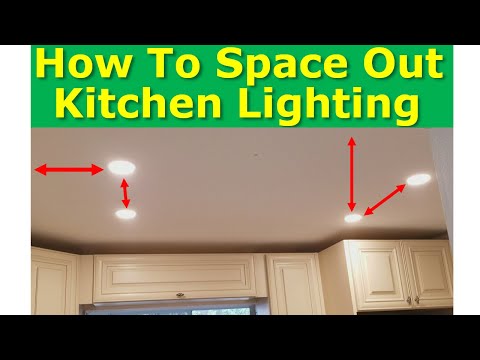
A general rule is one light fixture for every 25 to 30 square feet of kitchen space, though this varies based on ceiling height and fixture brightness. For a 150-square-foot kitchen, aim for five to six recessed downlights or a combination of a central fixture and perimeter lights to achieve balanced coverage.
Can I install kitchen ceiling lights myself?
Yes, flush mount and semi-flush fixtures are typically DIY-friendly if you have basic electrical knowledge and follow all safety protocols, including turning off the circuit breaker and using a voltage tester. However, recessed lighting and any fixture requiring ceiling box modifications or wiring modifications should ideally be handled by a licensed electrician to ensure code compliance and safety.
What color temperature is best for kitchen ceiling lights?
For general kitchen use, 3000K to 4000K is the sweet spot. 3000K provides a warm, inviting glow ideal for dining and entertaining, while 4000K offers a neutral, crisp light that enhances visibility for food preparation. Avoid anything below 2700K for main task areas, as it can make the kitchen feel dim and less productive.
Are smart ceiling lights worth it for the kitchen?

Smart kitchen ceiling lights offer significant advantages, including voice control, scheduling, dimming, and color temperature adjustment. They are particularly worthwhile if you want to automate your lighting scenes—for example, a bright “cooking mode” in the morning and a soft “dining mode” in the evening. Popular ecosystems like Philips Hue, LIFX, and Lutron Caseta offer reliable smart lighting solutions compatible with most kitchen fixtures.