


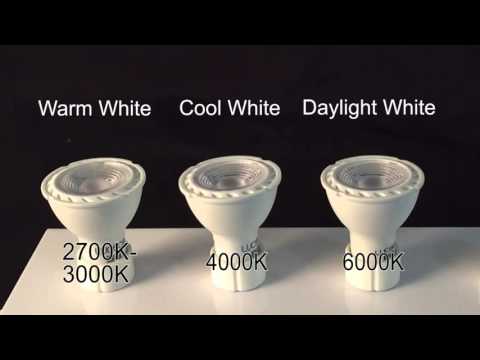
When it comes to lighting your home or workspace, color temperature plays a role that most people underestimate. If you have ever walked into a room and felt either instantly relaxed or strangely alert without knowing exactly why, the answer likely lies in the light bulb color temperature sitting overhead. Two of the most popular and widely discussed options in the lighting world are the 2700K light bulb and the 3000K light bulb. Both fall within the warm white spectrum, yet they deliver noticeably different moods and visual effects. Whether you are renovating a living room, designing a hospitality space, or simply trying to replace bulbs in your home, understanding the differences between 2700K and 3000K color temperatures can transform how every room feels and functions. This guide covers everything you need to know about these two warm white light temperatures, including practical comparisons, ideal use cases, and expert tips to help you make the right choice for your specific needs.
What Does 2700K and 3000K Color Temperature Mean?
Color temperature is measured in Kelvin (K) and describes the appearance of light emitted by a bulb. Lower Kelvin values produce warmer, more yellowish tones, while higher values move toward cooler, bluish whites. The 2700K warm white bulb closely mimics the glow of traditional incandescent lighting, radiating a soft amber hue that feels cozy and intimate. The 3000K warm white bulb sits slightly higher on the scale, producing a neutral warm tone that is clean and inviting without the heavy yellow cast. Both fall within the warm white range on the color temperature scale, typically spanning from about 2000K to 3500K. Understanding where each sits on this spectrum is the first step toward choosing the right bulb for your space.
2700K vs 3000K Light Bulb: Head-to-Head Comparison
While both color temperatures belong to the warm white family, the differences become apparent once you compare them side by side in real-world settings. The table below breaks down the key distinctions so you can make an informed decision based on your specific requirements.
| Feature | 2700K Light Bulb | 3000K Light Bulb |
| Color Tone | Warm amber, yellowish glow | Neutral warm, slightly cleaner white |
| Mood | Relaxing, intimate, cozy | Inviting, fresh, balanced |
| Best Suited For | Bedrooms, dining rooms, living rooms | Kitchens, bathrooms, offices, retail |
| CRI Range (Typical) | 80–95+ depending on bulb type | 80–95+ depending on bulb type |
| Energy Efficiency | Same as comparable LED wattage | Same as comparable LED wattage |
| Visual Comfort | Very soft on the eyes in low light | Slightly more alerting, still warm |
| Decor Compatibility | Enhances warm wood tones and earth colors | Works well with modern and neutral palettes |
| Common Bulb Types | LED, CFL, incandescent, Edison-style | LED, CFL, halogen, dimmable options |
The difference between 2700K and 3000K may seem subtle on paper, but in practice, the 3000K bulb delivers a noticeably crisper and more contemporary feel. The 2700K bulb leans further into the amber warmth that many people associate with traditional candlelight or vintage Edison bulbs. If you are sensitive to light temperature, even a 300 Kelvin shift can make a meaningful difference in how a space feels after dark.
Best Rooms and Applications for a 2700K Bulb
The 2700K warm white bulb excels in spaces where relaxation and ambiance are the primary goals. Because it closely replicates the warm glow of incandescent technology, it creates an atmosphere that signals the body to wind down. Here are the top settings where a 2700K bulb shines:
- Bedrooms: The warm amber tone promotes melatonin production and helps prepare your body for sleep. A 2700K bedside lamp creates a calming pre-sleep environment.
- Dining Rooms: Warm light flatters skin tones and makes food look appetizing, making it the go-to choice for dinner table lighting.
- Living Rooms: For cozy evenings, movie nights, or reading sessions, the 2700K soft white bulb sets a relaxing tone that complements upholstery and warm wood furniture.
- Hallways and Entryways: A 2700K bulb in the foyer welcomes guests with a warm, inviting glow that feels residential and comfortable.
- Restaurants and Hospitality: Hotels, cafes, and bistros frequently choose 2700K LED bulbs to create an intimate dining and social atmosphere.
Best Rooms and Applications for a 3000K Bulb
The 3000K warm white bulb strikes a balance between warmth and clarity, making it a versatile choice for a wider range of settings. It provides enough warmth to feel inviting while remaining neutral enough to support task-oriented activities. Ideal applications include:
- Kitchens: When preparing food or cleaning, the slightly crisper 3000K light helps you see details more accurately without the harshness of cool white bulbs.
- Bathrooms: A 3000K bulb provides flattering illumination for grooming and makeup application while still feeling warm and spa-like.
- Home Offices and Study Areas: The neutral warm tone supports focus and alertness without the eye strain that cooler color temperatures can cause during extended work sessions.
- Retail Stores and Showrooms: Businesses use 3000K lighting to present products clearly while maintaining a welcoming storefront atmosphere.
- Creative Studios: Artists and designers benefit from the balanced color rendering that 3000K offers, ensuring that materials and colors appear true to life.
- Modern Living Rooms: For homeowners who prefer a contemporary aesthetic, 3000K light bulbs pair beautifully with minimalist and Scandinavian interior designs.
How to Choose Between 2700K and 3000K for Your Space
Choosing the right warm white color temperature depends on several factors beyond personal preference. Consider the function of the room, the color palette of your interior design, the type of activities that take place there, and the kind of atmosphere you want to create. Here are some practical guidelines to help you decide.
Consider the Room’s Primary Function
Ask yourself what the room is used for most often. If relaxation and rest are the main activities, the 2700K warm bulb is the stronger choice. If the room serves double duty for both relaxation and focused tasks, the 3000K neutral warm bulb offers more flexibility. For rooms where detailed visual work happens, such as a kitchen counter or a vanity mirror, the clarity of 3000K becomes especially important.
Match the Light to Your Decor Palette

Warm wood tones, earth-colored walls, and earthy textiles pair beautifully with 2700K light. Cool grays, whites, and modern metallics tend to look more cohesive under 3000K lighting. Mismatched color temperature and interior palette can create a jarring visual disconnect that makes a room feel off, even if you cannot immediately identify why.
Think About Dimming and Layering
Both 2700K and 3000K bulbs are available in dimmable LED versions, which adds another layer of flexibility. A 3000K bulb dimmed down to 40 percent can start to feel surprisingly close to a 2700K bulb in warmth. Conversely, a 2700K bulb dimmed higher can feel slightly more neutral. Using multiple light sources at different layers allows you to adjust the overall mood throughout the day.
Expert Tips for Getting the Most Out of Your Warm White Bulbs
Even after selecting the right Kelvin rating, small decisions can significantly impact your lighting experience. Here are expert recommendations that go beyond simply picking a bulb off the shelf.
- Check the Color Rendering Index (CRI): A CRI of 90 or above ensures that colors in your room appear vivid and natural under the bulb, regardless of whether you choose 2700K or 3000K.
- Consider Dimmable LED Options: Dimmable warm white bulbs let you shift the perceived temperature and intensity based on the time of day and the mood you want to create.
- Use Mixed Temperatures Strategically: Some designers mix 2700K and 3000K bulbs in the same home. For example, using 2700K in living areas and 3000K in functional spaces creates a natural visual flow between rooms.
- Pay Attention to Beam Angle: A wide beam angle spreads light evenly across a room, while a narrow beam creates focused pools of warmth. Choose based on ceiling height and room size.
- Test Before Committing: If possible, purchase one bulb of each temperature and install them in the same fixture for a side-by-side comparison before buying in bulk.
Frequently Asked Questions (FAQs)
Is 2700K or 3000K better for bedrooms? Most sleep experts and interior designers recommend 2700K for bedrooms because the warmer amber tone supports natural melatonin production and signals the body that it is time to rest. However, if you use your bedroom for reading or working during the day, a 3000K bulb with a dimmer switch can offer more versatility.

Can I use 2700K and 3000K bulbs in the same room? Yes, mixing these two warm white temperatures can work beautifully when done intentionally. For example, using 2700K in floor lamps and 3000K in overhead fixtures allows you to layer different moods within a single space. The key is to keep the difference purposeful rather than accidental.
What is the difference between warm white 2700K and soft white 3000K? The terms “warm white” and “soft white” are sometimes used interchangeably, but technically, 2700K is classified as warm white with a distinctly yellowish amber cast, while 3000K is categorized as neutral warm or soft white with a cleaner, slightly less yellow tone. The 300 Kelvin difference creates a noticeably different visual impression.
Does the 2700K vs 3000K difference matter for LED bulbs specifically? Absolutely. LED bulbs are available in both 2700K and 3000K color temperatures, and the difference remains just as perceptible as with older bulb technologies. Because LED bulbs also offer a wide range of CRI ratings, you should always check the CRI alongside the Kelvin rating to ensure accurate color representation in your space.
Which color temperature is better for a restaurant or café? The hospitality industry heavily favors 2700K for dining areas because the warm amber glow makes food look appealing and creates an intimate atmosphere that encourages guests to linger. However, modern café designs sometimes opt for 3000K to achieve a more contemporary, clean aesthetic that still feels welcoming.
Will a 3000K bulb make my room look too cold? Not necessarily. Because 3000K is still firmly within the warm white range, it does not produce a cold or blue appearance. The shift from 2700K to 3000K is subtle enough that most people describe 3000K as warm and inviting. It only starts to feel cool when you move into the 4000K range and above.
Final Thoughts

Choosing between a 2700K and a 3000K warm white light bulb is one of the most impactful yet overlooked decisions in interior lighting design. The 2700K bulb delivers a deeply warm, amber-rich glow that is perfect for creating cozy, restful environments in living spaces and hospitality settings. The 3000K bulb offers a slightly more neutral and balanced warm tone that works beautifully in kitchens, bathrooms, offices, and modern interiors. By understanding what each color temperature brings to the table, matching it to your room function and decor, and layering your lighting with dimmable options, you can craft a home or commercial space that feels exactly the way you want it to. Take the time to evaluate your needs, test a few options, and trust your instincts, because the right light temperature can genuinely change the way you experience every room in your space.