


If you are considering switching to solar power, one of the very first questions that should be running through your mind is how to calculate solar energy savings accurately. Too many homeowners make the mistake of jumping into a solar installation based on vague promises of lower electricity bills without actually crunching the numbers themselves. The truth is, understanding your potential solar savings gives you the confidence to make a financially sound decision, negotiate better deals with installers, and set realistic expectations for your return on investment. Whether you are just starting to explore rooftop solar or you are deep into the research phase, this comprehensive guide will walk you through every method, formula, and variable you need to know to estimate your solar savings like a professional.
Why Calculating Solar Energy Savings Is the Smart First Step
Before you even request a single quote from a solar provider, you should already have a solid estimate of what solar energy can save you. This preliminary calculation serves multiple purposes. It helps you determine whether solar is financially viable for your specific household, it gives you a benchmark to compare installer quotes against, and it reveals how long your solar payback period will be. Without this foundational understanding, you risk overpaying for a system that is either too large or too small for your actual energy needs. Calculating your savings also prepares you for conversations with financial institutions if you plan to finance your installation through a solar loan or lease.

How to Calculate Solar Energy Savings: A Complete Step-by-Step Guide
The process of estimating your solar savings breaks down into three distinct stages. Each stage builds upon the previous one, so it is important to follow them in order and gather accurate data at every step.

Step 1: Review Your Electricity Bills to Find Your Average Consumption
Start by collecting at least twelve months of electricity bills from your utility provider. These bills will show your monthly kilowatt-hour consumption, which is the raw number you need to begin your calculations. Look for your total usage in kWh rather than just the dollar amount you paid, because electricity rates fluctuate seasonally and from month to month. Add up all twelve months and divide by twelve to get your average monthly consumption. This number represents exactly how much solar energy your household needs to offset to eliminate or significantly reduce your electricity bill.
Step 2: Estimate Your Solar System’s Energy Production
Next, you need to determine how much electricity a solar panel system will generate at your specific location. Several factors influence this number, including your geographic region, roof orientation, tilt angle, shading from trees or nearby structures, and the system size in kilowatts. A general rule of thumb is that a one-kilowatt solar system in most parts of the United States produces between 1,200 and 1,600 kWh per year, depending on local solar irradiance. You can use the solar savings calculator tools provided by the Energy Information Administration or reputable solar platforms to refine this estimate based on your exact address.
Step 3: Calculate Dollar Savings Per Month and Per Year
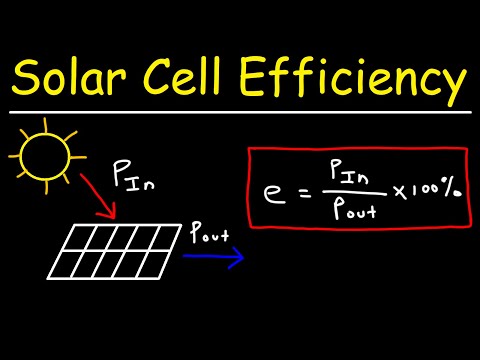
Once you know your average monthly consumption and your estimated solar production, the final calculation is straightforward. Multiply your monthly kWh offset by your current electricity rate per kWh to find your monthly dollar savings. Multiply that number by twelve for your annual savings. For example, if your system offsets 800 kWh per month and your rate is $0.15 per kWh, your monthly savings would be $120, or $1,440 per year. Over the typical twenty-five-year lifespan of solar panels, those savings compound significantly, especially when you factor in rising utility rates.
Key Factors That Impact Your Solar Energy Savings
Not every household will see the same return from a solar installation. Several critical variables directly influence how much money you will save, and understanding each one helps you build a more accurate model for your specific situation.
- Local Electricity Rates: The higher your current rate per kWh, the greater your dollar savings will be. Households in states like California, Massachusetts, and Connecticut often see dramatically higher savings than those in regions with lower utility costs.
- Net Metering Policies: If your utility offers full retail net metering, you receive credit for every excess kilowatt-hour your panels export to the grid, which accelerates your payback timeline considerably.
- System Size and Panel Efficiency: A larger system produces more energy, but diminishing returns can occur if the array is oversized relative to your consumption pattern.
- Shading and Roof Condition: Even partial shading from chimneys, dormers, or mature trees can reduce energy output by 10 to 25 percent, directly impacting your savings.
- Federal and State Incentives: The federal Investment Tax Credit, plus state-level rebates and SREC programs, reduce your upfront cost and effectively increase your net savings.
- Electricity Rate Escalation: Utility rates historically rise 2 to 4 percent annually. Your solar savings grow each year because you are locking in energy costs at today’s rates.
Solar Savings Before vs. After: A Side-by-Side Comparison
To make the financial impact of solar more tangible, consider how the numbers shift after installation. The table below illustrates a realistic scenario for a household with average consumption and current market conditions.
| Metric | Before Solar | After Solar |
| Monthly Electricity Usage (kWh) | 900 kWh | 900 kWh (grid-supplemented) |
| Electricity Rate per kWh | $0.16 | $0.16 (for non-solar portion) |
| Monthly Electricity Bill | $144 | $36 (estimated) |
| Annual Electricity Cost | $1,728 | $432 |
| Annual Savings | $0 | $1,296 |
| 25-Year Cumulative Savings | N/A | ~$32,400 (before rate escalation) |
| Solar Payback Period | N/A | 7 to 10 years (typical) |
Advanced Techniques for Precise Solar Savings Estimation
If you want to move beyond basic calculations and achieve a professional-grade estimate, there are several advanced techniques worth exploring. One powerful method involves using PVWatts, a free solar calculator developed by the National Renewable Energy Laboratory. PVWatts allows you to input your exact address, system size, and panel tilt to generate a detailed hourly energy production forecast based on historical weather data. This level of precision is especially valuable for homeowners considering battery storage, because it reveals exactly when your system produces excess energy and when you will rely on the grid.
Another advanced approach is modeling your savings using a Levelized Cost of Energy analysis, which factors in the total cost of ownership—including installation, financing, maintenance, and degradation—against projected lifetime production. This metric gives you a true apples-to-apples comparison between the cost of grid electricity and the cost of your own solar-generated power. Financial modeling tools like SAM (System Advisor Model) from NREL offer even deeper analysis for those willing to invest extra time in understanding the numbers.
Expert Strategies to Maximize Your Solar Return on Investment
Even with a perfect savings estimate, there are strategic decisions you can make that significantly boost your financial outcome. First, consider installing a system that covers roughly 90 to 100 percent of your annual consumption rather than aiming to eliminate your bill entirely. Oversizing your system often results in exporting excess energy at lower compensation rates, which reduces your effective savings. Second, time your installation to coincide with any available promotional incentives, as stacking federal tax credits with state rebates and utility incentives can slash your net cost by 30 to 50 percent. Third, invest in high-efficiency panels if your roof space is limited, because each square foot of rooftop generates more kilowatt-hours with premium modules. Finally, monitor your system performance regularly using a production monitoring app, and address any output dips promptly to ensure you are capturing every dollar of savings your system is designed to deliver.
Frequently Asked Questions About Calculating Solar Energy Savings
How can I calculate my solar energy savings accurately without professional help?
You can calculate your savings yourself by gathering your last twelve months of electricity bills, determining your average monthly kWh usage, estimating your system’s annual production using a tool like PVWatts, and multiplying your monthly offset by your electricity rate. This gives you a reliable annual savings figure that you can multiply across the system’s expected lifespan.
What factors affect solar energy savings calculations the most?
The three most influential factors are your local electricity rate per kWh, the amount of direct sunlight your location receives annually, and your household’s consumption patterns. Other important variables include net metering policies, system orientation, shading, and available financial incentives.
How long does it take for solar panels to pay for themselves?
The typical solar payback period ranges from seven to twelve years, depending on your location, system cost, electricity rates, and incentive availability. After the payback period, every kilowatt-hour your panels generate is essentially free electricity for the remaining lifespan of the system.
Can I calculate solar savings without actually installing panels?
Yes, you can use online solar calculators and tools like PVWatts to estimate potential savings before committing to an installation. These tools use your address, roof characteristics, and local utility rates to project how much money solar could save you, giving you a risk-free way to evaluate the opportunity.
What is considered a good solar payback period?
A payback period under ten years is generally considered excellent for residential solar installations. The national average sits around eight to nine years, but households in high-rate utility markets or areas with strong incentives can achieve payback in five to seven years.
How do rising utility rates affect my solar savings over time?
Utility rates historically increase between 2 and 4 percent each year. Because solar locks in your energy cost at today’s rate, your effective savings grow every year. Over a twenty-five-year period, this rate escalation can double or even triple the cumulative dollar savings compared to a static rate scenario.
Conclusion: Take Control of Your Solar Savings Today
Calculating your solar energy savings is not just a mathematical exercise—it is the foundation of a smart, financially confident energy transition. By following the step-by-step process outlined in this guide, you now have the tools to estimate your potential savings with precision, compare different system configurations, and negotiate with installers from a position of knowledge. Remember that every household is unique, and the variables that affect your savings are specific to your location, consumption habits, and local utility policies. The best thing you can do next is run your own numbers using a reliable calculator, consult with at least three reputable solar installers, and compare their projections side by side. Solar energy is not just an environmental investment—it is one of the most tangible and rewarding financial decisions a homeowner can make today. Take the time to calculate your savings, and you will be well on your way to energy independence and long-term financial benefit.