


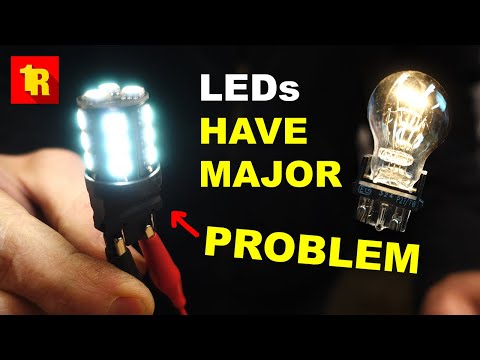
If you are looking to upgrade your vehicle’s lighting system, auto LED bulbs represent one of the most impactful upgrades you can make. Unlike traditional halogen bulbs that waste enormous amounts of energy as heat, automotive LED bulbs deliver crisp, bright illumination while consuming a fraction of the power. Whether you need replacement headlights, fog lights, dome lights, or interior accent lighting, the right LED bulb can transform how you see the road and how others see you. This comprehensive guide covers everything from the underlying technology and bulb types to buying advice, installation tips, and troubleshooting — giving you all the information you need to make an informed decision.
What Are Auto LED Bulbs and Why They Matter
Auto LED bulbs are specialized light-emitting diode replacements designed for vehicles. They serve as direct-fit alternatives to factory halogen, incandescent, or HID lamps found in headlights, tail lights, brake lights, turn signals, and interior fixtures. The shift from conventional bulbs to LED technology in automotive applications has accelerated dramatically over the past decade, driven by demands for better visibility, energy efficiency, and longer product lifespans.
LED stands for Light Emitting Diode — a semiconductor device that produces light when electrical current passes through it. Unlike filament-based bulbs that rely on heating a wire until it glows, LEDs generate photons through electroluminescence, a fundamentally more efficient process. This difference translates into brighter output, lower power draw, and significantly extended durability.
For drivers, the practical benefits are immediate. Better road illumination means safer nighttime driving. Faster illumination response in brake lights and turn signals improves reaction time for drivers behind you. And lower power consumption reduces strain on your vehicle’s electrical system, which matters especially in modern vehicles with numerous electronic modules drawing power simultaneously.
How Auto LED Bulbs Work: The Technology Behind the Light
Understanding how automotive LED bulbs function helps you appreciate why certain models outperform others and why not every LED bulb is suitable for every vehicle application.
Understanding LED Chip Technology
The heart of every automotive LED bulb is the LED chip itself. These tiny semiconductor dies come in various designs, with the most common being DIP (Dual In-line Package), SMD (Surface Mount Device), and COB (Chip-on-Board). DIP LEDs are the traditional round-shaped bulbs you may recognize from older electronics. SMD LEDs are surface-mounted chips that are more compact and efficient. COB LEDs mount multiple bare chips directly onto a single substrate, creating a uniform, high-intensity light output with excellent thermal performance.
For automotive use, COB and high-quality SMD LEDs dominate the market because they deliver superior luminous flux in a compact form factor that fits inside standard bulb housings. The number of LEDs, their wattage rating, and the quality of the semiconductor material all determine the final brightness, color temperature, and lifespan of the bulb.
Heat Management and Driver Circuits
One of the most critical aspects of auto LED bulb design is thermal management. LEDs convert most of their energy into light rather than heat, but they still generate significant warmth at the junction point. Without proper dissipation, LED chips degrade rapidly and lose brightness. Premium automotive LED bulbs use aluminum heat sinks, thermal pads, and sometimes active cooling fans to keep temperatures within safe operating ranges.
Additionally, LED bulbs require driver circuits — also called LED drivers or ballasts — to regulate the electrical current flowing through the chips. These circuits convert the vehicle’s 12V DC power into the precise voltage and current the LEDs need. Quality drivers ensure consistent brightness, prevent flickering, and protect against voltage spikes from the vehicle’s alternator and ignition system.
Key Benefits of Switching to Auto LED Bulbs
Upgrading to automotive LED bulbs delivers advantages that extend far beyond simple brightness improvements:
- Dramatically improved visibility — LED bulbs emit light with a sharper beam pattern and higher color rendering index, making road markings, signs, and obstacles easier to identify at night.
- Significantly longer lifespan — Quality auto LED bulbs last between 30,000 and 50,000 hours, compared to roughly 500 to 1,000 hours for standard halogen bulbs.
- Lower power consumption — A typical LED headlight bulb draws 15 to 40 watts, whereas an equivalent halogen bulb consumes 55 to 100 watts.
- Instant full brightness — Unlike HID bulbs that require a warm-up period, LEDs reach maximum output the instant you switch them on, which is critical for brake lights and turn signals.
- Improved safety — Faster response times in brake and signal lights give following drivers more reaction time, reducing rear-end collision risk.
- Reduced strain on the electrical system — Lower wattage means less load on your alternator and battery, which benefits overall vehicle electrical health.
Types of Auto LED Bulbs Available Today
The automotive LED bulb market has expanded enormously, and different applications require different bulb designs. Here are the most common categories you will encounter:
Single Beam vs. Dual Beam LED Bulbs
Single beam LED bulbs have either a low beam or high beam function, but not both. Dual beam, or combo, LED bulbs incorporate both functions within a single bulb using internal switching mechanisms or dual filament designs. When replacing headlight bulbs, you need to know whether your vehicle uses separate low-beam and high-beam bulbs or a single dual-beam unit. Choosing the wrong type will result in incomplete functionality.
COB LED vs. DIP LED for Vehicles
COB LED bulbs use a large, integrated chip array that produces a smooth, uniform beam with no visible individual light points. They are ideal for headlight applications where even light distribution matters. DIP LED bulbs use individual small chips spaced across the bulb base, which can create a more patterned beam. For interior and accent lighting, DIP LEDs work well, but for headlight and fog light upgrades, COB technology generally delivers superior results.
Comparison Table: Auto LED Bulbs vs. Halogen vs. HID
| Feature | Halogen | HID / Xenon | LED |
| Lifespan (hours) | 450–1,000 | 2,000–5,000 | 30,000–50,000 |
| Power Draw (watts) | 55–100 | 35–55 | 15–40 |
| Lumens (typical) | 700–1,200 | 2,500–4,000 | 2,000–6,000+ |
| Warm-Up Time | Instant | 3–10 seconds | Instant |
| Color Temperature Range | 3,000–3,500K | 4,000–6,000K | 3,000–6,500K |
| Installation Difficulty | Easy | Moderate | Easy to Moderate |
| Average Cost per Bulb | $5–$15 | $30–$80 | $20–$120 |
| Heat Output | Very High | High | Low to Moderate |
| Compatibility with CANBUS | N/A | Often requires decoder | Most models include CANBUS decoder |

How to Choose the Right Auto LED Bulbs
Selecting the correct LED bulbs for your vehicle requires attention to several details that many buyers overlook:
- Verify the bulb base type — Common automotive bases include H11, H7, H4, 9005, 9006, H1, D1S, and many others. Check your owner’s manual or remove the existing bulb to confirm the base type before purchasing.
- Check for CANBUS compatibility — Many modern vehicles use CANBUS systems that monitor bulb function. Non-CANBUS-compatible LED bulbs may trigger dashboard error messages or flickering. Look for bulbs that include built-in CANBUS decoders or resistors.
- Consider your climate — If you live in a hot climate, prioritize bulbs with robust heat sink designs and fan-cooling systems. In moderate climates, passive aluminum heat sinks are often sufficient.
- Match the beam pattern to your housing — An LED bulb with a poorly designed beam pattern will blind oncoming traffic and fail to illuminate the road effectively. Look for bulbs with precisely engineered chip placement and reflector compatibility.
- Check local regulations — Some jurisdictions have strict regulations on aftermarket headlight bulbs, including color temperature limits and certification requirements. Ensure the bulbs you choose comply with your local laws.
Top Brands and What to Look For
The automotive LED bulb market includes dozens of brands, ranging from budget options to premium manufacturers. Reputable brands such as Auxito, SEALED BEAM, Philips, Osram, and Beamtech invest heavily in chip quality, thermal engineering, and optical design. When evaluating auto LED bulbs, pay attention to the rated lumens, color temperature in Kelvin, warranty length, and whether the manufacturer provides beam pattern test results. A bulb with 6,000 lumens but poor beam focus will underperform a bulb with 4,500 lumens and excellent optical engineering.
Installation Tips and Common Mistakes
Installing automotive LED bulbs is generally straightforward, but a few mistakes can cause problems that are easy to avoid:
- Always disconnect the battery before starting any bulb replacement to prevent electrical shorts.
- Handle bulbs with clean gloves — Oils from your skin can create hot spots on LED chips, reducing their lifespan.
- Do not overtighten the bulb — LED bulbs are more delicate than halogen bulbs, and excessive force on the base can damage internal components.
- Test before closing the housing — Verify that the bulb works and the beam pattern is correct before reassembling everything. Adjusting after full installation is frustrating and time-consuming.
- Clean the housing lens — A dirty or foggy lens dramatically reduces light output regardless of bulb quality. Polish or replace the lens if needed.
Common Issues and How to Troubleshoot Them
Even the best auto LED bulbs can present challenges in certain vehicle applications. Here are the most common issues and their solutions:
- Flickering or intermittent operation — Usually caused by CANBUS incompatibility. Install a CANBUS decoder or resistor inline with the bulb to resolve the issue.
- Dashboard warning lights — The vehicle’s computer detects lower power draw from LED bulbs and interprets it as a burnt-out bulb. A resistor or CANBUS decoder corrects this.
- Overheating and premature failure — Indicates inadequate heat dissipation. Upgrade to a model with a larger heat sink or active cooling fan.
- Poor beam pattern and glare — The LED chip placement or bulb design does not match the reflector or projector housing. Choose a bulb specifically designed for your housing type.
- Bulb not fitting — Some LED bulbs are slightly larger than their halogen equivalents. Check dimensions and ensure the bulb fits within the housing without touching the reflector or lens.
Frequently Asked Questions

Can I install auto LED bulbs in any vehicle?
Most vehicles can accommodate LED bulbs, but compatibility depends on the base type, available space inside the housing, and whether the vehicle’s electrical system requires CANBUS-compatible bulbs. Always verify the base type and check for physical clearance inside the housing before purchasing.
Are LED bulbs legal for road use?
In most regions, LED bulbs are legal for road use as long as they comply with local regulations regarding color temperature, luminous intensity, and beam pattern. Halogen-certified replacements that meet E-mark or DOT standards are the safest choice for street-legal compliance.
How long do automotive LED bulbs typically last?
Quality auto LED bulbs rated at 30,000 to 50,000 hours can last 10 to 15 years of normal driving. Actual lifespan depends on operating conditions, thermal management, and the quality of the driver circuit. Extreme heat, vibration, and voltage spikes are the primary factors that shorten LED bulb life.
Do LED bulbs need a resistor or decoder?
Many modern vehicles use a CANBUS system that monitors power draw. Because LED bulbs consume significantly less power than halogen bulbs, the vehicle’s computer may interpret the lower draw as a bulb failure. Installing a CANBUS decoder or resistor inline resolves this issue by mimicking the power draw of a traditional bulb.
What color temperature is best for auto LED headlights?
Color temperature measured in Kelvin affects both appearance and performance. Bulbs rated at 4,300K to 5,000K produce the most usable light for driving because this range closely matches daylight and provides excellent contrast and color rendering. Higher color temperatures above 6,000K produce a bluish-white appearance that looks visually striking but reduces visibility in rain, fog, and low-light conditions.
Conclusion
Auto LED bulbs have fundamentally changed what drivers can expect from their vehicle’s lighting system. From superior brightness and energy efficiency to dramatically extended lifespan and instant response times, the advantages over traditional halogen and HID technology are substantial and well-documented. Whether you are replacing a single burnt-out bulb or upgrading your entire vehicle’s lighting setup, choosing the right LED bulbs requires attention to base type, CANBUS compatibility, thermal design, and beam pattern quality. By following the guidance in this article — verifying compatibility, selecting reputable brands, and installing with care — you can enjoy safer, brighter, and more efficient vehicle lighting for years to come.