When you think about transforming the look, feel, and safety of your property, exterior light is one of the most impactful yet overlooked design elements you can invest in. Whether you are upgrading your home’s curb appeal, improving safety along walkways, or enhancing security around entry points, the right outdoor lighting strategy makes all the difference. Exterior lighting is no longer just about flipping a switch and hoping for the best. Today’s options span everything from energy-efficient LED fixtures and smart-connected outdoor wall lights to decorative landscape sconces and weatherproof path lights. In this comprehensive guide, we will walk you through every aspect of exterior illumination — from understanding the different fixture types and technologies to making smart purchasing decisions and installation choices that will serve you for years to come.
What Is Exterior Lighting and Why Does It Matter?
Exterior lighting refers to any light fixture designed for outdoor installation, engineered to withstand exposure to rain, wind, dust, temperature fluctuations, and UV radiation. Unlike indoor fixtures, outdoor lights are built with protective housings, sealed enclosures, and durable materials such as die-cast aluminum, stainless steel, and marine-grade polymers. The purpose of exterior light extends far beyond aesthetics. Properly designed outdoor illumination enhances security by eliminating dark zones, improves navigation around your property after sunset, accentuates architectural features and landscaping, and creates a welcoming atmosphere for guests and visitors.
According to lighting professionals, a well-lit exterior can increase a home’s perceived value by up to 20 percent while simultaneously reducing the risk of accidents, trips, and intrusions. Whether you are illuminating a grand front porch, a cozy backyard patio, or a lengthy driveway, the strategic placement of exterior light fixtures transforms how your property functions and feels after dark.
Types of Exterior Light Fixtures
The world of outdoor lighting is diverse, and understanding each category helps you make informed decisions based on your specific needs, style preferences, and budget.
1. Porch and Entryway Lights
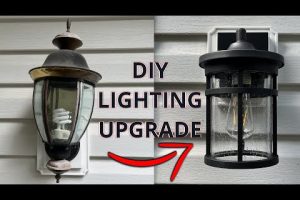
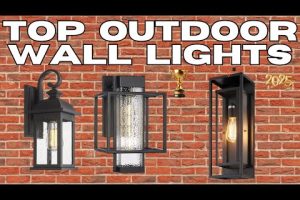
Porch lights are the cornerstone of any exterior lighting plan. Mounted near the front door, garage entry, or side porch, these fixtures provide ambient illumination while signaling that a home is occupied and cared for. Popular styles include traditional lantern designs, modern geometric sconces, and rustic barn-style lights. For maximum functionality, pair entryway fixtures with motion sensor technology so the light activates when someone approaches.
2. Landscape and Garden Lights
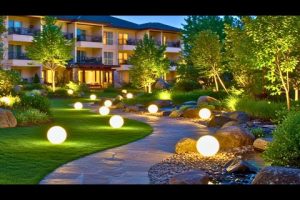
Landscape lighting focuses on highlighting trees, shrubs, garden beds, and architectural details. Low-voltage path lights, well lights buried at ground level, and uplighting fixtures create dramatic shadows and depth. These are ideal for homeowners who want to extend the usable hours of their outdoor living spaces while showcasing natural beauty.
3. Floodlights and Security Lights
Floodlights deliver broad, intense beams designed to illuminate large areas such as driveways, backyards, and commercial perimeters. Security lights often integrate motion detectors and photocells that activate automatically during low-light conditions. These fixtures are essential for deterring intruders and improving visibility for cameras and surveillance systems.
4. Deck and Patio Lights
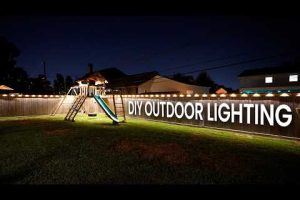
String lights, recessed deck LEDs, and post-mounted lanterns create a warm, inviting atmosphere on outdoor living spaces. These fixtures prioritize ambiance and comfort, often using warm color temperatures between 2700K and 3000K to mimic the glow of traditional incandescent bulbs.
5. Bollard and Step Lights
Bollard lights are short, upright fixtures placed along walkways and garden borders, while step lights are recessed into stair risers and landing areas. Both play a critical role in safety lighting, guiding foot traffic and preventing falls on uneven surfaces.
How to Choose the Right Exterior Light for Your Home
Selecting the perfect outdoor lighting involves balancing several factors that go well beyond picking a style you like. Here is a systematic approach to making the right choice.
- Determine Your Purpose. Are you lighting for security, aesthetics, task visibility, or a combination? Security lighting demands brighter output and wider beam angles, while decorative lighting benefits from softer, more focused illumination.
- Check the IP Rating. The Ingress Protection rating tells you how well a fixture resists moisture and dust. For most exterior applications, look for a minimum IP44 rating. Fixtures in direct rain exposure or near pools should be rated IP65 or higher.
- Choose the Right Color Temperature. Cool white light (4000K–5000K) offers a modern, crisp look ideal for security and task areas. Warm white light (2700K–3000K) creates a cozy, inviting feel perfect for porches, patios, and garden accents.
- Consider Energy Efficiency. LED exterior lights consume up to 75 percent less energy than traditional halogen or incandescent options and last 15 to 25 times longer, making them the clear choice for long-term value.
- Match Your Home’s Architectural Style. Traditional homes pair well with classic lantern and post lights, while contemporary designs benefit from clean-lined, minimalist fixtures in matte black, brushed nickel, or bronze finishes.
Comparing Popular Exterior Light Technologies
The technology inside your outdoor fixtures determines performance, energy consumption, and lifespan. Below is a comparison of the most common options available today.
| Feature | LED Exterior Lights | Halogen Exterior Lights | Solar Exterior Lights | CFL Exterior Lights |
|---|---|---|---|---|
| Energy Efficiency | Excellent (lowest wattage) | Moderate | Excellent (no grid power) | Good |
| Lifespan | 25,000–50,000 hours | 2,000–5,000 hours | Variable (battery-dependent) | 8,000–15,000 hours |
| Brightness | High and consistent | High but generates heat | Lower output | Moderate |
| Weather Resistance | Excellent with proper housing | Good | Good (sealed units) | Moderate |
| Initial Cost | Moderate to higher | Low | Low | Low to moderate |
| Long-Term Value | Best overall | Poor (frequent replacement) | Good for remote areas | Moderate |
| Dimmability | Most models support dimming | Limited | Rarely dimmable | Limited |
LED technology has become the undisputed standard for exterior light installations. The combination of low energy draw, exceptional durability, instant-on capability, and compatibility with smart home ecosystems makes LED fixtures the superior choice for virtually every outdoor application. If you are replacing older halogen or CFL fixtures, upgrading to LED exterior lights is one of the smartest investments you can make for your property.
Expert Tips for Installing Exterior Lights
Even the best fixtures will underperform if installed incorrectly. Follow these professional recommendations to get the most out of your exterior lighting system.
- Layer Your Lighting. Combine ambient, task, and accent lighting to create depth and functionality. A porch might have a wall-mounted sconce (ambient), a motion-activated floodlight (security/task), and directional spotlights on a feature wall (accent).
- Use Dusk-to-Dawn Sensors. These photocell-based controls automatically turn lights on at sunset and off at sunrise, eliminating the need for manual operation and ensuring your property is never left in darkness.
- Install Dimmer Switches. Dimmers extend bulb life, reduce energy consumption, and allow you to adjust the mood for different occasions — from bright task lighting during a gathering to a soft warm glow for quiet evenings.
- Protect Wires and Connections. Use weatherproof junction boxes, UV-resistant cable conduits, and silicone-sealed connections to prevent moisture intrusion and premature failure.
- Position Lights Strategically. Avoid placing fixtures where they will shine directly into windows or neighbors’ yards. Aim lights downward to reduce light pollution and glare while maximizing ground-level illumination.
- Hire a Licensed Electrician for Hardwired Installations. While plug-in and solar fixtures are DIY-friendly, hardwired exterior lights require proper circuit planning, grounding, and adherence to local electrical codes.

Frequently Asked Questions About Exterior Light

What is the best exterior light for a front porch?
For a front porch, a wall-mounted LED sconce or traditional lantern-style fixture in a warm white color temperature (2700K–3000K) provides the ideal balance of welcoming ambiance and practical visibility. Pairing it with a motion sensor adds an extra layer of security without sacrificing energy efficiency.
How do I choose the right IP rating for outdoor light fixtures?
For covered porches and overhangs, an IP44 rating is sufficient to handle splashing water and dust. Fixtures installed in fully exposed areas, near sprinkler systems, or in regions with heavy rainfall should have an IP65 or IP66 rating for complete protection against powerful water jets and dust ingress. Areas submerged or frequently flooded require an IP67 or IP68 rating.
Can I use smart exterior lights with voice assistants?
Absolutely. Many modern exterior light fixtures are compatible with Amazon Alexa, Google Home, and Apple HomeKit ecosystems. Smart outdoor lights allow you to schedule illumination, adjust brightness, change color temperature, and trigger scenes based on motion or time of day directly from your phone or voice commands.
How long do LED exterior lights last?
Quality LED exterior fixtures rated for outdoor use typically last between 25,000 and 50,000 hours, which translates to roughly 15 to 25 years of average nightly use. Unlike traditional bulbs that dim gradually, high-quality LEDs maintain consistent brightness throughout their rated lifespan before slowly degrading.
What is the difference between outdoor floodlights and landscape spotlights?
Floodlights produce a wide beam angle (typically 90–120 degrees) designed to cover large areas with general illumination, making them ideal for driveways, backyards, and security applications. Landscape spotlights have a narrower beam angle (10–45 degrees) that creates focused pools of light, perfect for highlighting individual trees, sculptures, or architectural details. Using a combination of both creates a professional, layered outdoor lighting design.
Conclusion
Exterior light is far more than a simple utility — it is a powerful tool that enhances safety, security, curb appeal, and the overall enjoyment of your outdoor spaces. By understanding the different fixture types, choosing energy-efficient LED technology, layering your illumination strategy, and following professional installation practices, you can create an outdoor environment that looks stunning and functions beautifully from dusk until dawn. Whether you are a homeowner refreshing a single porch light or a property manager designing a comprehensive exterior lighting plan, the principles outlined in this guide will help you achieve professional-quality results that stand the test of time. Start with your entryway, layer your approach, and let your outdoor spaces shine their brightest.