


When it comes to transforming the heart of your home, hanging kitchen lights deliver immediate, dramatic impact that few other design elements can match. Whether you are renovating a rustic farmhouse kitchen or upgrading a sleek modern space, the right overhead lighting fixture can redefine the entire ambiance of your cooking and dining area. Kitchen pendant lights, chandelier-style hanging fixtures, and linear suspension lamps have become essential focal points in contemporary home design. But with so many styles, sizes, and mounting options available, selecting the perfect hanging kitchen light requires more than just picking the prettiest option on a showroom floor. This comprehensive guide walks you through everything you need to know—from choosing the right bulb type and fixture height to installation best practices and current design trends that will elevate your culinary space.
Why Hanging Kitchen Lights Matter More Than You Think
Kitchen lighting does far more than keep your countertop visible while chopping vegetables. Layered lighting creates depth, warmth, and functionality in a space where you spend countless hours preparing meals and entertaining guests. Hanging lights, often referred to as kitchen pendants or suspended fixtures, serve as the centerpiece of a well-designed kitchen island or dining nook. They provide focused task lighting over prep surfaces, reduce eye strain during detailed work, and establish a visual anchor that ties the room together. Without proper overhead illumination, even the most expensive cabinetry and premium countertops can feel flat and uninspiring.
The Role of Ambient and Task Lighting
Most interior designers emphasize the importance of combining ambient light with task-specific fixtures. Hanging kitchen lights excel at bridging this gap because they cast directed downward light while simultaneously contributing to the room’s overall mood. When positioned above an island or a dining table, they create an intimate pool of warmth that invites conversation and makes food preparation feel more enjoyable. This dual functionality is why kitchen hanging lights have surged in popularity over the past decade, outpacing traditional recessed cans and track lighting in many modern home designs.
Types of Hanging Kitchen Lights
Not all suspended fixtures are created equal, and understanding the differences is critical to making a confident purchase decision. Here are the most popular categories of hanging kitchen lights that homeowners and designers rely on today.
- Pendant Lights: Single-light fixtures suspended from the ceiling by a cord, chain, or rod. These are the most versatile option and work beautifully over kitchen islands and breakfast bars.
- Chandelier-Style Fixtures: Multi-light hanging lights with ornate details and branched arms. Ideal for larger kitchens with high ceilings where you want a bold statement piece.
- Linear Suspension Lights: Elongated fixtures designed to span across countertops or long tables. These are particularly popular in open-concept kitchen layouts.
- Mini Pendants: Smaller-scale hanging lights perfect for compact kitchens, narrow islands, or clustered arrangements above a prep area.
- Tripod Pendant Lights: Three-armed fixtures that distribute light across a wider surface area, making them excellent for island configurations seating multiple people.
- Drum Pendant Lights: Fabric or metal shade fixtures that emit soft, diffused light downward, creating a warm and flattering glow across the kitchen space.

Sizing and Height: Getting the Measurements Right
One of the most common mistakes homeowners make is hanging their lights too high or choosing a fixture that is proportionally wrong for the space. A kitchen light hanging too far above the island creates harsh shadows and leaves the countertop underlit—exactly the opposite of what you want during meal prep.
The 30-Inch Rule for Kitchen Islands
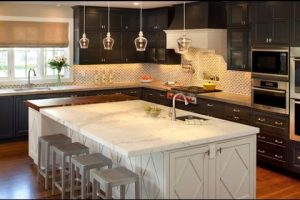
Industry standards recommend mounting the bottom of a pendant fixture approximately 30 to 36 inches above the countertop surface. This height provides ample task illumination without obstructing the view or creating a collision risk when someone is reaching across the island. For dining areas within the kitchen, hanging lights should be positioned 30 to 32 inches above the table surface to create a comfortable, intimate lighting zone.
Sizing Formula for Fixture Width
A reliable method for determining the right fixture size is to add the dimensions of your island in feet and convert that number to inches. For example, a 6-foot-long island pairs well with a pendant light or fixture cluster that is roughly 24 inches wide. For a single large hanging light over a standard 8-foot island, look for fixtures in the 28 to 32-inch diameter range.
Materials, Finishes, and Styles to Consider
The material and finish of your hanging kitchen lights play a significant role in tying the fixture into your overall kitchen aesthetic. Brass and gold-toned finishes remain dominant in 2024, offering warmth and sophistication that complements both warm and cool cabinetry tones. Matte black hanging lights provide a bold, contemporary contrast that looks stunning against white or gray kitchen islands. For a more eclectic or bohemian kitchen vibe, woven rattan, hand-blown glass, and brushed bronze fixtures add texture and artisanal character that mass-produced alternatives simply cannot replicate.
| Material | Best Suited For | Aesthetic Feel |
| Brass / Gold | Transitional and traditional kitchens | Warm, luxurious, and classic |
| Matte Black | Modern and minimalist kitchens | Sleek, bold, and contemporary |
| Hand-Blown Glass | Scandinavian and farmhouse styles | Organic, textured, and artisanal |
| Brushed Nickel | Neutral and transitional spaces | Clean, understated, and versatile |
| Woven Rattan | Bohemian and coastal kitchens | Relaxed, textured, and warm |
| Stainless Steel | Industrial and ultra-modern kitchens | Cold, industrial, and sharp |
Installation Tips and Placement Strategies
Installing hanging kitchen lights requires careful planning to ensure both safety and visual balance. Before you purchase any fixture, consider the ceiling height, the electrical box capacity, and the overall layout of your kitchen workspace.
- Check the ceiling height first. Standard 8-foot ceilings work well with standard chain lengths. If your kitchen has 9 or 10-foot ceilings, you will need longer suspension rods or adjustable chains to maintain proper hanging height above the island.
- Locate the electrical box. Most ceiling-mounted kitchen lights require a junction box rated to support the weight of the fixture. Pendant lights typically weigh between 5 and 15 pounds, so ensure the box is properly anchored and rated for the load.
- Consider a hardwired versus plug-in option. Hardwired fixtures provide a cleaner, more permanent installation, while plug-in pendant kits offer flexibility if you plan to rearrange your kitchen layout in the future.
- Use a dimmer switch. This is one of the most impactful upgrades you can make. A dimmable hanging kitchen light allows you to shift from bright task lighting during food preparation to soft ambient glow during evening entertaining.
- Cluster multiple pendants for wider surfaces. For islands longer than 8 feet, consider hanging three smaller pendants evenly spaced rather than one oversized fixture. This creates balanced illumination and a visually appealing arrangement.
Common Mistakes to Avoid When Choosing Hanging Kitchen Lights
- Choosing a fixture based solely on looks. A beautiful hanging light that is too small or too dim for the space will leave your kitchen looking incomplete and poorly lit.
- Ignoring the bulb type and color temperature. LED bulbs with a color temperature of 2700K to 3000K produce a warm, inviting light that is ideal for kitchen environments. Avoid cool white or bluish bulbs that make food look unappetizing and the space feel clinical.
- Hanging the light too high. Resist the temptation to mount fixtures as high as possible. Excess height is the number one reason homeowners regret their kitchen lighting choices.
- Forgetting about clearance. If you have ceiling fans or soffits, ensure your hanging kitchen light will not interfere with airflow or feel dangerously close to overhead cabinets.
Expert Tips for Maximizing the Impact of Kitchen Hanging Lights
Professional interior designers often suggest layering hanging lights with under-cabinet LED strips and recessed spotlights to create a fully dynamic kitchen lighting scheme. This approach ensures that every corner of the room is illuminated while maintaining the warmth and character that suspended fixtures provide. Another expert recommendation is to use identical pendants arranged in a symmetrical row for a clean, gallery-like effect, or mix different sizes and heights within the same cluster for a more curated, designer look. Consider pairing your hanging lights with complementary hardware such as brushed nickel cabinet pulls or brass faucet fixtures to create a cohesive visual thread throughout the space.

Energy efficiency is another factor that should not be overlooked. Modern LED hanging kitchen lights consume significantly less power than traditional incandescent fixtures while lasting up to 25,000 hours or more. This means lower electricity bills and fewer bulb replacements over the lifetime of the fixture—a win for both your budget and the environment.
Frequently Asked Questions
What size hanging kitchen light do I need for a 6-foot island?
For a 6-foot island, a single pendant light between 22 and 26 inches in diameter works well, or you can install two smaller mini pendants spaced evenly to distribute light more uniformly across the countertop surface.
Can I hang a heavy chandelier-style light in a standard kitchen?
Yes, provided your ceiling has a properly rated junction box that can support the weight. Most modern chandeliers designed for kitchen use weigh between 10 and 25 pounds, and standard electrical boxes rated for ceiling fans can typically handle this load. Always verify the box rating before installation.

What is the best bulb color temperature for hanging kitchen lights?
Warm white bulbs in the 2700K to 3000K range are widely considered the best choice for kitchen hanging lights. This temperature range produces a soft, golden glow that enhances food presentation, reduces glare, and creates a welcoming atmosphere in the heart of the home.
How do I hang a pendant light without an existing ceiling box?
You will need to install a new ceiling-mounted junction box rated for the weight of the fixture. This involves cutting an opening in the ceiling, running electrical wiring from an existing circuit, securing the box, and then attaching the pendant using the provided hardware. If you are not comfortable working with electrical wiring, hiring a licensed electrician is strongly recommended for safety and code compliance.
Should hanging kitchen lights be centered over the island or offset?
Center the fixture or cluster directly over the island’s midpoint for symmetrical balance and even light distribution. However, if your kitchen layout includes a built-in seating area or a non-standard island shape, offsetting the light to align with the primary workspace can create a more functional and visually intentional arrangement.
Are LED hanging kitchen lights worth the investment?
Absolutely. LED fixtures offer superior energy efficiency, dramatically longer lifespan, and significantly lower heat output compared to traditional incandescent or halogen bulbs. Most high-quality LED hanging kitchen lights produce warm, flicker-free light that enhances both task performance and the overall aesthetic of your cooking space while reducing long-term maintenance costs.
Final Thoughts
Selecting and installing the right hanging kitchen lights is one of the most rewarding home improvement decisions you can make. A well-chosen fixture transforms your kitchen from a purely functional space into a warm, inviting gathering place where family and friends naturally gravitate. By paying attention to sizing, height, material, and placement, you can create a lighting design that is both beautiful and highly functional. Take your time exploring different styles, compare fixtures side by side, and do not underestimate the power of a dimmer switch to instantly change the mood of your entire kitchen. With the right hanging lights overhead, your culinary space will shine in every sense of the word.