


When it comes to elevating the atmosphere of any room, hanging bar lights have emerged as one of the most versatile and visually striking lighting solutions available today. Whether you are redesigning a commercial storefront, upgrading your kitchen island, or adding a warm glow to a cozy dining area, these fixtures deliver both functional illumination and undeniable aesthetic appeal. Unlike standard pendant lights or recessed downlights, hanging bar lights combine a sleek horizontal bar with strategically placed bulbs or light sources, creating a distinctive linear glow that draws the eye and transforms spaces. In this comprehensive guide, we will explore everything from types and installation to expert tips that help you make the most informed decision for your next lighting project.
What Are Hanging Bar Lights?

Understanding the Core Concept
Hanging bar lights, also known as bar pendant lights or linear suspension lights, are fixtures mounted on a horizontal rod or bar that hangs from the ceiling. They typically feature multiple light points arranged along a single metallic or wooden bar, offering broad and even coverage across a surface area. These fixtures are suspended using chains, rods, or cables, which allows you to adjust the hanging height to suit your specific space and lighting needs.
The design philosophy behind bar lights centers on directionality and diffusion. The bar itself serves as both a structural element and a light spreader, casting illumination downward and sometimes outward in a controlled pattern. This makes them particularly effective for task lighting over countertops, dining tables, or workbenches, while also functioning as ambient light sources in open-plan living areas.
Types of Hanging Bar Lights
LED Bar Lights vs. Incandescent and Fluorescent Options
Modern hanging bar lights come in a wide range of bulb and technology configurations. Understanding the differences between these options helps you select the right fixture for energy efficiency, brightness, and ambiance.
LED Hanging Bar Lights are the dominant choice in today’s market. They consume up to 80% less energy than traditional bulbs, last significantly longer, and are available in adjustable color temperatures from warm white (2700K) to cool daylight (6500K). Many LED bar lights also offer dimmable functionality, allowing you to transition seamlessly from a bright workspace to a relaxed evening setting.
Incandescent Bar Lights produce a warm, nostalgic glow that many homeowners love for vintage or rustic interiors. However, they are less energy-efficient and generate more heat than LED alternatives. They remain popular for decorative installations where authenticity of light quality matters more than operational cost.
Fluorescent Tube Bar Lights are commonly found in commercial and industrial settings. They offer high lumen output at low energy consumption, making them ideal for garages, workshops, and retail environments. Modern fluorescent bar lights have largely been replaced by LED equivalents, but they still hold a niche in budget-conscious and industrial-design applications.
Popular Styles and Designs
- Minimalist Metal Bar Lights — Clean lines, brushed steel or matte black finishes, perfect for contemporary kitchens and offices.
- Rustic Wooden Bar Lights — Natural wood finishes paired with Edison bulbs, ideal for farmhouse and Scandinavian-inspired interiors.
- Industrial Pipe Bar Lights — Exposed filament bulbs and iron or brass construction, a staple in loft-style and industrial decor.
- Decorative Glass Bar Lights — Feature glass shades or frosted covers that diffuse light softly, adding elegance to dining rooms and living areas.
- Adjustable Track Bar Lights — Allow individual light heads to swivel or reposition along the bar for targeted illumination.
How to Choose the Right Hanging Bar Lights
Key Factors to Consider Before Buying
Selecting the perfect hanging bar lights requires more than picking the first design you like. Several critical factors influence both the visual impact and practical performance of your fixture.
- Room Size and Ceiling Height — Measure the area you want to light. A bar light that is too small will leave dark spots, while one that is too large can overwhelm the space. As a general rule, the bar should span roughly two-thirds of the surface it is illuminating, such as a dining table or kitchen island.
- Color Temperature — Warm tones (2700K–3000K) create intimate, inviting environments for living rooms and dining areas. Cool tones (4000K–5000K) enhance focus and clarity, making them better suited for kitchens, garages, and offices.
- Dimmability — Dimmable bar lights give you control over brightness throughout the day. Look for fixtures compatible with standard dimmer switches or smart home systems.
- Material and Finish — Match the finish to your existing hardware and decor. Brushed nickel, matte black, brass, and chrome are among the most popular choices.
- Number of Light Points — Fixtures with three to five evenly spaced bulbs provide balanced coverage for most applications. Larger surfaces may require six or more points.
Comparison Table: Top Hanging Bar Light Types

| Feature | LED Bar Lights | Incandescent Bar Lights | Fluorescent Bar Lights |
| Energy Efficiency | Excellent (lowest consumption) | Poor (high consumption) | Good (moderate consumption) |
| Lifespan | 25,000–50,000 hours | 1,000–2,000 hours | 10,000–15,000 hours |
| Light Quality | Adjustable color temperature | Warm, soft glow | Bright, cool white |
| Dimming Capability | Widely available | Compatible with most dimmers | Requires compatible ballast |
| Best For | Residential and commercial | Decorative and vintage settings | Workshops and garages |
| Average Lifespan Cost | Low (long-lasting) | High (frequent replacements) | Moderate |
Installation and Placement Tips
Step-by-Step Guide to Hanging Bar Lights
Installing hanging bar lights is a manageable DIY project for most homeowners, provided you follow proper safety protocols. Always turn off the power at the circuit breaker before beginning any electrical work.
- Locate the Ceiling Joist or Support Beam — Use a stud finder to identify a secure mounting point. If a joist is not available, use a ceiling anchor rated for the weight of the fixture.
- Attach the Mounting Bracket — Secure the bracket to the ceiling using the provided screws. Ensure it is level and firmly fastened.
- Connect the Wiring — Match the fixture wires to your ceiling wires: black to black (hot), white to white (neutral), and green or bare to green (ground). Use wire nuts to secure each connection.
- Hang the Bar Light — Attach the bar to the bracket using chains, rods, or the included hanging hardware. Adjust the length so the bottom of the bar sits approximately 30 to 36 inches above the surface below.
- Install the Bulbs — Insert the appropriate bulbs into each socket, then turn the power back on and test the fixture.
Expert Placement Recommendations
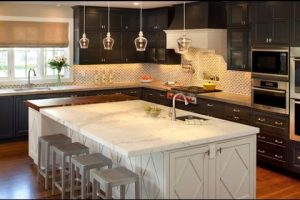
Proper placement dramatically affects both the look and functionality of your hanging bar lights. For kitchen islands, center the bar above the countertop and keep it at least 30 inches above the surface to prevent glare during food preparation. In dining rooms, hang the bar approximately 12 to 15 inches above the table to create an intimate pool of light. For hallways and entryways, position the fixture so it hangs at eye level or slightly above, ensuring it does not obstruct movement or sightlines.
Consider the spacing between multiple bar lights if you are installing more than one fixture. Maintain at least 24 to 30 inches of separation between bars to avoid visual clutter and uneven lighting patterns. This spacing also ensures that the light from each fixture blends naturally without creating harsh shadows or overlapping glare zones.
Best Uses for Hanging Bar Lights
The versatility of hanging bar lights makes them suitable for a remarkably wide range of environments. Below are some of the most popular and effective applications.
- Kitchen Islands and Counters — Bar lights provide even task lighting over prep areas, making food preparation safer and more comfortable. Multiple fixtures over a long island create a symmetrical, professional look.
- Dining Rooms — A single or double bar light centered above a dining table sets the mood for meals and gatherings while providing enough light to read menus and see food clearly.
- Living Rooms — Hung over a seating area or a console table, bar lights serve as a stylish focal point while supplementing overhead ambient lighting.
- Home Offices and Studios — Linear bar lights reduce eye strain by providing consistent, shadow-free illumination across desks and work surfaces.
- Retail Stores and Restaurants — Commercial-grade bar lights highlight product displays and dining tables, enhancing both visibility and interior design aesthetics.
- Garages and Workshops — Heavy-duty fluorescent or LED bar lights mounted over workbenches provide bright, reliable illumination for projects and repairs.
Maintenance and Care Tips
Keeping your hanging bar lights in excellent condition ensures consistent performance and extends their lifespan. Dust the bar and light covers regularly using a soft, dry cloth to prevent buildup that can dim the light output. For fixtures with glass or crystal shades, wipe them gently with a mild glass cleaner to maintain clarity and brightness.
Check the wiring and connections annually, especially for fixtures exposed to moisture or heat. Replace any flickering bulbs promptly, as inconsistent lighting can strain your eyes and indicate an underlying electrical issue. If your bar light is dimmable, test the dimmer periodically to ensure smooth operation and compatibility with your bulb type. For outdoor installations or areas with high humidity, choose fixtures rated for damp or wet locations and inspect seals and gaskets seasonally.
Pro Tip: When upgrading bulbs, always match the bulb base type (such as E26 or E12) and wattage rating to the fixture’s specifications. Exceeding the recommended wattage can cause overheating and potentially create a fire hazard, even with LED bulbs.
Conclusion
Hanging bar lights represent one of the most effective and stylish ways to illuminate virtually any space in your home or business. From the wide selection of LED technology and design styles to the straightforward installation process and unmatched versatility, these fixtures check every box for homeowners and designers alike. By carefully considering factors like room size, color temperature, bulb type, and placement, you can transform a simple room into a well-lit environment that is both functional and visually captivating. Invest in quality hanging bar lights, follow proper installation and maintenance practices, and you will enjoy beautiful, reliable lighting for years to come.

Frequently Asked Questions
What is the ideal hanging height for bar lights over a kitchen island?
The recommended hanging height for bar lights above a kitchen island is between 30 and 36 inches from the countertop surface. This distance provides sufficient clearance for food preparation while delivering focused, glare-free task lighting directly onto the work surface. If your ceiling is particularly high, you can adjust the hanging length accordingly, but keeping the bar within this range ensures optimal brightness and visual comfort.
Can hanging bar lights be used in bathrooms or other wet areas?
Yes, but only if you select fixtures specifically rated for damp or wet locations. Look for bar lights with an IP (Ingress Protection) rating of at least IP44 for damp environments like bathrooms, or IP65 or higher for fully exposed outdoor areas. Standard indoor bar lights are not designed to withstand moisture and should never be installed in these settings without proper waterproofing or enclosure.
How many bulbs should a hanging bar light have?
The ideal number of bulbs depends on the length of the bar and the area you are lighting. For most residential applications, three to five evenly spaced bulbs provide balanced, uniform illumination. Bars longer than 48 inches may benefit from six or more bulbs to prevent dark spots between the light sources. Always calculate the total lumens needed for your space and divide that figure across the number of bulbs to determine the right configuration.
Are hanging bar lights easy to install without professional help?
Most hanging bar lights are designed for straightforward DIY installation and come with detailed mounting instructions and all necessary hardware. If you have basic experience with electrical connections and a stud finder, you can typically complete the installation in under an hour. However, if your ceiling wiring is outdated, you lack a secure mounting point, or you are uncomfortable working with electrical connections, hiring a licensed electrician is the safest and most reliable option.
What color temperature works best for hanging bar lights in living rooms?
For living rooms, a warm white color temperature between 2700K and 3000K creates a cozy, inviting atmosphere that complements most interior design styles. If your living room serves multiple purposes — such as a reading nook or home office area — consider a fixture with adjustable color temperature or install a dimmer switch so you can shift between warm and neutral tones depending on the time of day and activity.