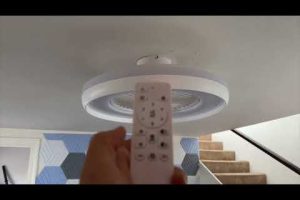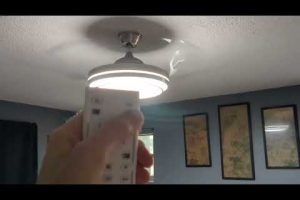



When you are renovating a room or designing a new space from scratch, the ceiling fixture lamp you choose can make or break the entire atmosphere of the room. It is not just about flipping a switch and getting light — it is about creating a mood, setting a focal point, and ensuring that every corner of your living space receives the right amount of illumination. Whether you are a first-time homeowner trying to understand your options or an interior design enthusiast looking for the perfect statement piece, this comprehensive guide covers everything you need to know about ceiling fixture lamps. From understanding the different types and sizing recommendations to installation best practices and energy-efficient choices, we have you fully covered.
What Is a Ceiling Fixture Lamp?

A ceiling fixture lamp refers to any lighting unit that is mounted to the ceiling and designed to house a light source, whether that is an integrated LED module, a replaceable bulb, or a combination of both. Unlike freestanding lamps or wall-mounted sconces, ceiling fixture lamps are permanently or semi-permanently installed overhead, making them a central part of a room’s architecture and lighting plan. These fixtures come in an enormous range of styles, sizes, and technologies — from minimalist flush mount designs to ornate chandeliers with crystal detailing. Understanding the role a ceiling fixture lamp plays in your overall lighting scheme is the first step toward making a smart purchase decision.
Types of Ceiling Fixture Lamps
The market offers a surprisingly wide variety of ceiling-mounted lighting solutions. Each type serves a different purpose, fits a different aesthetic, and works best in a specific room context. Here is a detailed breakdown of the most popular options.
Flush Mount Ceiling Lights
Flush mount ceiling fixture lamps sit directly against the ceiling with no gap between the fixture and the surface. They are ideal for rooms with lower ceilings — typically eight feet or less — because they do not hang down and consume vertical space. Flush mounts are commonly used in hallways, bathrooms, closets, and bedrooms where a streamlined, uncluttered look is desired. Many modern flush mount designs incorporate LED technology directly into the fixture, eliminating the need for separate bulbs altogether.
Semi-Flush Mount Fixtures
A semi-flush mount lamp hangs slightly below the ceiling, usually between three and eight inches, thanks to a short stem or chain. This small descent allows the fixture to cast light both upward and downward, creating a more layered illumination effect compared to a flush mount. Semi-flush designs are incredibly popular for dining rooms, entryways, and living rooms where a decorative touch is needed without the dramatic drop of a full pendant.
Pendant Ceiling Fixtures
Pendant ceiling fixture lamps hang from the ceiling on a rod, chain, or cord and are typically used over kitchen islands, dining tables, or in foyer areas. They serve as a visual anchor in a room and can range from a single simple globe to an elaborate multi-light arrangement. Pendant lamps are available in materials like glass, metal, rattan, and fabric, making them one of the most versatile options for both residential and commercial interiors.
Recessed Ceiling Lights
Also known as downlights or can lights, recessed ceiling fixture lamps are installed inside the ceiling itself, with only the trim and lens visible from below. They provide a clean, minimalist look and are widely used in modern and contemporary spaces. Recessed lights are excellent for task lighting, ambient wash, and accent lighting, and they work exceptionally well in kitchens, home offices, and living rooms with higher ceilings.
How to Choose the Right Ceiling Fixture Lamp
Selecting the perfect ceiling fixture lamp involves more than just picking the one you find most attractive at a glance. Several critical factors should guide your decision to ensure functionality, safety, and visual harmony.
Room Size and Ceiling Height — The dimensions of your room and the height of your ceiling dictate the size and type of fixture that will work best. A large dining room can handle an oversized chandelier or multi-light pendant, while a small powder room calls for a compact flush mount.
Lighting Purpose — Are you looking for general ambient lighting, focused task illumination for a kitchen counter, or accent light to highlight artwork? Your intended purpose determines whether you need a broad-diffusing fixture or a directional light source.
Style and Décor Coordination — Your ceiling fixture lamp should complement the existing design language of the room. A brass-and-glass fixture suits traditional interiors, while matte black metal and geometric shapes align well with industrial or modern aesthetics.
Bulb Compatibility and Technology — Consider whether the fixture accepts standard bulbs or uses integrated LED modules. This affects long-term maintenance, energy consumption, and the warmth or coolness of the light output.

Dimmability — If you want flexibility in brightness levels, choose a ceiling fixture lamp that is compatible with dimmer switches. Not all fixtures support dimming, so check the specifications before purchasing.
Ceiling Fixture Lamp Size Guide
Sizing your fixture correctly is one of the most overlooked yet critical decisions in lighting design. Use the following table as a quick reference based on room dimensions.
| Room Size (sq ft) | Recommended Fixture Diameter (inches) | Best Fixture Type |
| 50–100 | 12–18 inches | Flush mount or small semi-flush |
| 100–200 | 18–24 inches | Semi-flush or single pendant |
| 200–300 | 24–32 inches | Multi-light pendant or medium chandelier |
| 300–400+ | 32–42+ inches | Large chandelier or multi-tier pendant |
A widely used formula is to add the room’s length and width in feet, then convert the sum to inches to determine the ideal fixture diameter. For example, a room that is 12 feet by 16 feet equals 28 inches in diameter for the ceiling fixture lamp. This rule of thumb helps prevent the common mistake of choosing a fixture that is either too small to make an impact or too large and overwhelming for the space.
Installation Tips for Ceiling Fixture Lamps
While some ceiling fixture lamp installations are straightforward enough for a handy DIY enthusiast, others require the expertise of a licensed electrician. Here are key considerations to keep in mind.
- Check the Electrical Box Rating — Make sure the electrical box in the ceiling is rated to support the weight of your chosen fixture. Lightweight flush mounts typically work with standard boxes, but heavy chandeliers and large pendants require reinforced or fan-rated boxes.
- Turn Off the Power — Always shut off the circuit breaker before beginning any wiring work. Use a voltage tester to confirm that no current is flowing to the wires.
- Follow Manufacturer Instructions — Each ceiling fixture lamp comes with specific mounting and wiring instructions. Adhering to these ensures both safety and proper function.
- Use Appropriate Wire Connectors — Wire nuts or push-in connectors should match the gauge of your household wiring, typically 14 or 12 AWG for most residential circuits.
- Consider Hiring a Professional — If you are uncomfortable working with electrical wiring, or if your ceiling does not have an existing junction box in the right location, it is well worth hiring a licensed electrician for the installation.
Energy-Efficient Ceiling Fixture Lamp Options
Energy efficiency is no longer a secondary consideration — it is a primary factor for most homeowners and businesses alike. The good news is that modern ceiling fixture lamps offer excellent energy-saving performance without sacrificing style or light quality.
- Integrated LED Fixtures — Many contemporary ceiling fixture lamps come with built-in LED arrays that consume up to 75% less energy than traditional incandescent bulbs and last 25,000 hours or more.
- LED Retrofit Kits — If you have an older fixture that uses conventional bulbs, you can often install an LED retrofit kit to upgrade the lamp to a more efficient light source without replacing the entire fixture.
- Smart Ceiling Lights — Smart-enabled ceiling fixture lamps allow you to control brightness, color temperature, and scheduling through a smartphone app or voice assistant, reducing unnecessary energy waste.
- Solar-Compatible Fixtures — For outdoor ceiling applications such as porch lights and patio covers, solar-compatible ceiling fixture lamps offer a renewable energy option that requires no wiring at all.
Maintenance and Care Tips
Keeping your ceiling fixture lamp clean and well-maintained extends its lifespan and ensures consistent light output over the years. Dust the exterior of the fixture regularly using a soft microfiber cloth. For glass or crystal components, use a gentle glass cleaner diluted with water to avoid streaking. If you are using a fixture with replaceable bulbs, check the manufacturer’s recommended wattage and never exceed it — doing so can cause overheating and create a fire hazard. Inspect the wiring and connections annually, especially for fixtures located in humid areas like bathrooms and kitchens, where moisture can accelerate corrosion and degrade electrical components.
Frequently Asked Questions
What is the best ceiling fixture lamp for a small bedroom?
For a small bedroom, a flush mount ceiling fixture lamp or a compact semi-flush design works best because it does not consume valuable floor space or hang low enough to interfere with furniture placement. Look for a fixture with a diameter between 12 and 16 inches, and choose an LED bulb with a warm color temperature around 2700K to 3000K for a cozy, restful atmosphere.
Can I install a ceiling fixture lamp myself without electrical experience?
If your ceiling already has a properly rated electrical box and you feel comfortable working safely with electrical connections, installing a flush mount or semi-flush fixture is a manageable DIY project. However, heavier fixtures like chandeliers and large pendants should always be installed by a licensed electrician to ensure the mounting point can safely bear the weight and that all wiring is up to code.
How do I determine the right brightness for my ceiling fixture lamp?
Brightness is measured in lumens, not watts. As a general guideline, you need about 20 lumens per square foot for general ambient lighting. For a 150-square-foot living room, a ceiling fixture lamp producing around 3,000 lumens is appropriate. If the room also has task lighting or accent lighting, you can reduce the lumen requirement for the ceiling fixture since other sources are contributing to the overall illumination.
What is the difference between a ceiling fixture lamp and a ceiling light fixture?
The terms are often used interchangeably, but there is a subtle distinction. A ceiling fixture lamp technically refers to the lamp component itself — the housing and socket assembly — while a ceiling light fixture encompasses the entire lighting unit including the lamp, shade, housing, and mounting hardware. In everyday conversation, most people use both terms to refer to the same overhead lighting product, so do not worry about the distinction when shopping.
Are smart ceiling fixture lamps worth the extra cost?
Smart ceiling fixture lamps offer significant convenience and energy savings benefits that make them well worth the investment for many households. You can schedule lights to turn on and off automatically, adjust brightness levels remotely, and integrate them with broader home automation systems. Over time, the energy savings from reduced unnecessary usage can offset the higher upfront cost, making smart fixtures a practical choice for tech-savvy homeowners.
Final Thoughts
Choosing the right ceiling fixture lamp is one of the most impactful decisions you can make when designing or upgrading a space. It affects not only how your room looks but also how it feels, functions, and performs in terms of energy efficiency. By understanding the different types available, sizing your fixture correctly, and following safe installation practices, you can enjoy beautiful, reliable lighting for years to come. Take your time, explore your options, and do not be afraid to mix and match fixture styles across different rooms — the result will be a home that feels intentional, well-designed, and welcoming in every corner.