When it comes to upgrading the ambiance and functionality of a room, few fixtures deliver the impact of ceiling fans with lighting. Combining these two essential elements into a single unit represents a smart investment for any homeowner. A fan light combo not only streamlines the aesthetic of your living space but also provides immediate climate control and illumination. Whether you are remodeling a stuffy bedroom or illuminating a patio, selecting the right fan with integrated lighting can transform an ordinary room into a comfortable, inviting sanctuary. Understanding the nuances of these dual-purpose fixtures ensures you make an informed purchase that balances style, efficiency, and performance.
Why Ceiling Fans with Lighting Are a Game-Changer
Dual Functionality Saves Space and Money
Integrating a lighting system directly into your air circulation unit eliminates the need for multiple wall switches and separate fixture installations. This streamlined approach reduces clutter on the ceiling and simplifies the wiring process during new construction. By combining a high-efficiency motor with modern LED illumination, these units offer a comprehensive solution that drastically cuts down on both installation costs and energy consumption. Instead of drawing power from two separate sources, a single well-designed fan light combo can light up an entire room while keeping the air moving at a fraction of the cost of running a central air conditioner.
The Aesthetic Advantage
Modern fan light combos have evolved far beyond the dated plastic fixtures of the past. Today, manufacturers design these units as statement pieces that anchor the visual identity of a room. From sleek, minimalist designs to rustic timber blades paired with warm Edison bulbs, the aesthetic variety is staggering. Installing a beautifully crafted fan light unit instantly elevates the interior design, providing a focal point that draws the eye upward and emphasizes the architectural height of your space.
Key Features to Consider When Buying
Motor Type: AC vs. DC Technology
The motor is the heart of any ceiling fan, and choosing between alternating current (AC) and direct current (DC) models significantly impacts performance. DC motors are the gold standard for modern fan light combos because they operate with remarkable quietness and consume up to 70 percent less energy than traditional AC motors. Furthermore, DC motors allow for precise speed control, meaning you can dial in the perfect breeze without the jarring jolts often associated with older technology. If you are investing in a high-end fan light, the DC motor should be non-negotiable for those seeking whisper-quiet operation.
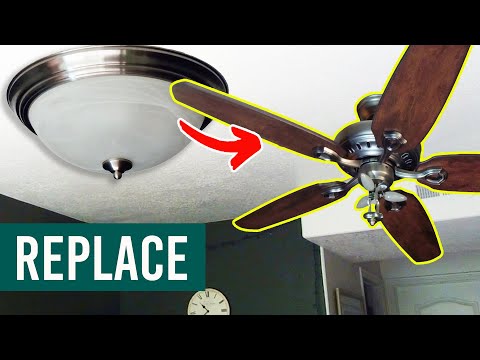
Lighting Technology: LED vs. Incandescent
Lighting technology has a massive impact on the long-term value of your fan light. Incandescent bulbs generate excessive heat and require frequent replacements, whereas LED light kits are engineered to last for decades while consuming minimal wattage. Modern LED fixtures often feature tunable white technology, allowing you to shift the color temperature from cool, energizing daylight to warm, cozy amber depending on the time of day. This adaptability makes LED fan lights incredibly versatile for any room in your home.
Blade Size and Room Proportions
Matching the blade span to your room size is critical for optimal air delivery, measured in CFM (cubic feet per minute). A small fan light in a large open-concept kitchen will struggle to circulate air effectively, leaving hot spots. Conversely, an oversized fixture in a small bedroom will create an uncomfortable draft. Blades measuring 36 to 42 inches are ideal for rooms up to 100 square feet, while 52 to 56-inch blades are necessary for larger areas between 200 and 400 square feet.
AC vs. DC Motor Fans with Lights: A Quick Comparison
| Feature | AC Motor Fans | DC Motor Fans |
| Energy Consumption | Higher power draw, less efficient | Up to 70% more energy-efficient |
| Noise Level | Moderate to noticeable hum | Whisper-quiet operation |
| Speed Control | Limited, stepped settings | Infinitely variable, smooth transitions |
Installation and Placement Best Practices
Flush Mount vs. Downrod
The structural design of your ceiling fan with lighting dictates both its appearance and its airflow efficiency. Flush mount fans sit directly against the ceiling, making them perfect for rooms with lower ceilings where a downrod would consume valuable headroom. Downrod fans suspend the blade assembly below the ceiling, allowing air to circulate freely. When selecting a downrod length, measure the distance from the ceiling to the floor and subtract the fan’s height to ensure the blades hang at the optimal seven to nine feet from the ground.
Indoor vs. Damp Rating Locations
Safety and longevity depend heavily on matching the fan’s rating to its intended environment. Dry-rated fans are strictly for indoor, climate-controlled spaces like bedrooms. Damp-rated models can handle moisture found in bathrooms and covered patios, but they cannot withstand direct exposure to the elements. For outdoor areas such as poolside cabanas, you must invest in a wet-rated fan light combo. Always verify the rating before purchase; installing a dry-rated fixture in a damp environment creates a serious electrical hazard.
Top Trends in Fan Lights for 2024
The market for fan light combos is evolving rapidly, driven by smart home integration and shifting design preferences. Homeowners are increasingly demanding fixtures that blend seamlessly with their existing smart ecosystems. Here are the top trends shaping the current market:
- Smart Home Integration: Modern fan light units feature built-in Wi-Fi, allowing users to control speed, brightness, and color temperature through smartphone apps or voice assistants like Alexa and Google Assistant.
- Minimalist Industrial Designs: Clean lines, matte black finishes, and exposed hardware are dominating the design scene, appealing to those who prefer a utilitarian, loft-like aesthetic over traditional ornate styles.
- Reversible LED Light Kits: Advanced fan lights now feature reversible LED arrays, providing cool white light for daytime productivity and warm white light for evening relaxation without needing to replace the bulb.
Maintenance Tips for Longevity
Even the highest-quality ceiling fans with lighting require routine care to maintain peak performance and visual appeal. Dust accumulation on the blades creates aerodynamic drag, forcing the motor to work harder and consume more energy. Use a microfiber cloth or a specialized fan blade cleaner to wipe down the surfaces every two weeks. For the light fixture, always ensure the power is disconnected at the breaker box before cleaning or replacing bulbs. If you notice the fan wobbling excessively, check the tension of the blade screws and the tightness of the light kit connection; a loose light kit can cause vibration noise and eventually detach from the ceiling.

Conclusion
Investing in a premium ceiling fan with lighting is one of the most impactful decisions you can make for your home’s comfort and visual appeal. By carefully considering motor technology, lighting type, and installation requirements, you can select a fan light combo that serves your space for decades. These fixtures represent the perfect marriage of form and function, offering unparalleled climate control and illumination in a single, elegant package. Whether you are updating a cozy bedroom retreat or illuminating a spacious great room, the right fan light unit will keep you cool, save you money, and elevate your interior design effortlessly.
Frequently Asked Questions
What is the best ceiling fan with lighting for large rooms? For large rooms exceeding 400 square feet, look for a fan light combo with a blade span of 56 to 60 inches and a DC motor. A larger blade diameter combined with a powerful yet efficient motor ensures adequate CFM to reach every corner of the space. Additionally, opt for a model with a reversible light kit to provide ample illumination for the entire room without relying solely on wall sconces.
Can I replace a fan light kit without buying a whole new unit? Yes, most modern ceiling fans with lighting feature a universal mount or a standardized wiring harness that allows you to swap out the light kit independently. However, you must ensure the new light kit is compatible with your specific brand and model. Always turn off the power at the circuit breaker before attempting any electrical work, and consult the manufacturer’s manual to avoid damaging the fan’s internal wiring.
How do I clean a ceiling fan with light without spreading dust everywhere? The best method involves using a microfiber cloth slightly dampened with water. Start by wiping each blade individually from the hub to the tip, which captures dust rather than dispersing it. For the light fixture, use a dry or slightly damp cloth on glass or plastic shades. Avoid harsh chemical cleaners on the light housing, as they can strip the finish and cloud plastic over time.
What is the energy savings of using LED fan lights compared to traditional bulbs? LED light kits integrated into ceiling fans consume up to 80 percent less electricity than traditional incandescent or halogen bulbs. Because LED technology produces minimal heat, they also reduce the load on your air conditioning system during warmer months. Over the lifespan of a single LED fixture, which can exceed 50,000 hours, the cumulative energy savings are substantial, often paying for the initial premium of an LED fan light many times over.
What does a damp rating mean for a ceiling fan with light? A damp rating indicates that the fan light combo is constructed with sealed components and corrosion-resistant materials, making it suitable for environments with moderate moisture but not direct water exposure. This makes damp-rated fixtures ideal for covered patios and bathrooms with shower stalls. Never install a damp-rated unit in an uncovered outdoor area, as direct rain or sprinkler spray will cause electrical shorts and premature failure of the motor and light kit.