


Transforming your outdoor space into a stunning evening retreat starts with one essential element: backyard lighting. Whether you are hosting weekend barbecues, enjoying quiet nights on the patio, or simply wanting to enhance your home’s curb appeal, the right outdoor illumination makes all the difference. A well-designed backyard lighting plan does far more than keep intruders away — it highlights your landscape architecture, extends your living space well beyond your walls, and creates the perfect atmosphere for relaxation and entertainment. In this comprehensive guide, we will walk you through everything from basic principles to advanced techniques, so you can illuminate your outdoor oasis like a professional landscaper.
Why Backyard Lighting Matters More Than You Think
Many homeowners underestimate the transformative power of outdoor lighting. Beyond safety and security, thoughtfully placed fixtures can dramatically increase your property value, extend usable hours in your garden, and accentuate the architectural features of your home. Studies consistently show that well-lit outdoor spaces are among the top features buyers look for when considering a home. But the benefits go deeper than real estate. A beautifully lit backyard encourages you to spend more time outdoors, reduces stress, and elevates your everyday quality of life.
Consider these key reasons to invest in outdoor illumination:
- Enhanced safety: Proper lighting eliminates dark walkways, reducing trip hazards around steps, slopes, and uneven terrain.
- Improved security: Motion-activated fixtures and well-lit perimeters deter intruders and make your property less appealing to unwanted visitors.
- Extended usability: Lighting effectively doubles the amount of time you can enjoy your backyard each day.
- Landscape showcasing: Uplights, downlights, and path lights draw attention to trees, flower beds, water features, and architectural details.
- Mood and atmosphere: Warm-toned, strategically placed lighting creates an inviting ambiance that turns a basic patio into a retreat.
Types of Backyard Lighting: Finding the Right Fixtures
Choosing the right type of lighting is the foundation of any successful backyard design. Not all fixtures serve the same purpose, and understanding the differences helps you build a layered, functional outdoor space.
Solar-Powered Lighting
Solar backyard lights are the most accessible option for beginners. These fixtures capture sunlight during the day and use it to power LED bulbs at night. They are easy to install — no wiring required — and they eliminate electricity costs entirely. However, solar lighting has limitations. Output tends to be lower than wired alternatives, and performance depends heavily on how much direct sunlight your panels receive. They work best for accent lighting along garden borders or decorative pathways.
Low-Voltage Lighting Systems
Low-voltage systems operate at 12 volts and require a transformer to step down standard household current. These are the gold standard for serious backyard lighting projects because they offer excellent brightness, flexibility, and safety — the lower voltage reduces the risk of electrical hazards. You can run cables along the surface or bury them underground, and the system is easy to expand over time. Low-voltage is ideal for path lights, spotlights, and in-ground well lights.
Line-Voltage (120V) Fixtures
Line-voltage fixtures connect directly to your home’s electrical system and deliver the highest output. These are necessary for overhead string lights, large post lamps, and any fixture requiring significant brightness. Installation typically requires a licensed electrician and compliance with local building codes, but the result is a powerful, reliable lighting setup that can handle large patios, pergolas, and open lawn areas.
LED vs. Incandescent vs. Halogen
When selecting bulbs for your backyard fixtures, LED technology is the clear winner for most homeowners. LEDs consume up to 80% less energy than traditional incandescent bulbs, last 25 times longer, and are available in a range of color temperatures from warm white to cool daylight. Halogen bulbs offer a slightly warmer glow than standard LEDs but run hotter and use more power. Below is a quick comparison:
| Bulb Type | Energy Efficiency | Lifespan | Color Range | Cost |
| LED | Excellent | 25,000+ hours | Wide (2700K–6000K) | Moderate upfront |
| Halogen | Moderate | 2,000–4,000 hours | Warm white | Low upfront |
| Incandescent | Poor | 1,000 hours | Warm, soft glow | Low upfront |
Design Principles for a Beautifully Lit Backyard
A professional lighting designer never lights everything equally. The secret to a stunning outdoor space lies in layering different types of light to create depth, contrast, and visual interest. Here is how to approach your backyard lighting design like an expert.
The Three-Layer Lighting Technique
Most designers follow a three-layer approach that combines ambient, task, and accent lighting:
- Ambient lighting: This is your base layer — the general glow that fills the space. Overhead string lights, lanterns, and recessed patio lights serve this purpose. Ambient lighting ensures safe navigation and sets the overall mood.
- Task lighting: Task fixtures target specific activities such as cooking on an outdoor kitchen, reading on a lounge chair, or playing games on the lawn. Bright, focused light is essential here, so consider directional spotlights or under-counter LED strips near food preparation areas.
- Accent lighting: Accent lights highlight specific features in your landscape, such as a mature oak tree, a stone retaining wall, a water fountain, or a sculpture. Uplights placed at ground level and aimed upward create dramatic shadows and silhouettes that add depth to your garden at night.
Color Temperature and Its Impact
The color temperature of your bulbs, measured in Kelvins (K), shapes the entire feel of your backyard. Warm white bulbs (2700K–3000K) create a cozy, inviting glow similar to candlelight and are ideal for dining areas and relaxation zones. Neutral white (3500K–4000K) works well for task areas where visibility matters. Cool white (5000K and above) looks crisp and modern but can feel clinical in a residential setting — use it sparingly for security or modern minimalist designs.
Best Practices for Installation and Placement
Even the most expensive fixtures will disappoint if placed incorrectly. Follow these expert recommendations to get maximum impact from every light.
- Start with a plan: Sketch your backyard and mark areas for seating, pathways, focal points, and boundaries before purchasing any fixtures.
- Place path lights 6–8 feet apart: This spacing creates a consistent, inviting glow along walkways without creating harsh pools of light.
- Aim uplights at a 30-degree angle: Mounting ground fixtures at a 30-degree angle from the base of a tree or wall creates the most natural, flattering illumination.
- Use dimmers wherever possible: Dimming controls let you adjust brightness for different moods — bright for entertaining, soft for quiet evenings.
- Bury low-voltage cables at least 6 inches deep: This protects wiring from damage and keeps your lawn tidy.
- Avoid over-lighting: Too many fixtures create glare and wash out the natural beauty of your landscape. Less is often more.
Energy Efficiency and Smart Backyard Lighting
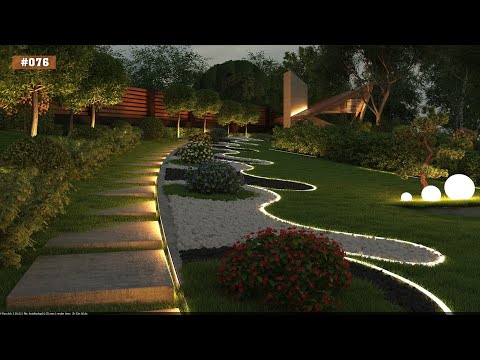
Smart lighting technology has revolutionized how homeowners control their outdoor spaces. Today’s smart backyard lighting systems let you adjust brightness, change color temperatures, set schedules, and even trigger scenes from a smartphone app or voice assistant. Popular ecosystems like Philips Hue, Lutron, and Ring integrate with Alexa, Google Home, and Apple HomeKit, giving you hands-free control over every light in your yard.
For maximum energy savings, pair smart controls with LED fixtures and solar-powered accent lights. A smart timer ensures lights turn off automatically during daylight hours, and motion sensors ensure security lights only activate when needed. Over a year, these combined strategies can reduce your outdoor lighting energy consumption by up to 90% compared to older incandescent setups.
Common Backyard Lighting Mistakes to Avoid
Even enthusiastic DIYers can fall into predictable traps. Here are the most common mistakes homeowners make when lighting their backyard:
- Using only one light source: A single overhead fixture creates flat, uninteresting illumination. Layer your lights for visual depth.
- Ignoring light pollution: Fixtures that shine directly into your neighbor’s windows or upward into the sky waste energy and can create complaints. Use shielded or downward-facing fixtures.
- Choosing the wrong beam angle: Wide beam angles (over 60 degrees) spread light broadly for path lighting, while narrow beams (under 25 degrees) create focused pools perfect for highlighting specific features.
- Skipping outdoor-rated fixtures: Indoor fixtures exposed to rain, humidity, and temperature swings will corrode and fail quickly. Always choose fixtures rated with an IP65 or higher for wet locations.
- Neglecting maintenance: Clean fixtures, replace burned-out bulbs promptly, and check wiring connections annually to keep your system performing at its best.
Top Backyard Lighting Products and Brands Worth Considering
The market offers a wide range of quality options at every budget level. Here is a quick comparison of trusted brands and their specialties:
| Brand | Best For | Price Range | Standout Feature |
| LEKTRA | Low-voltage path and spot lights | $ | Adjustable brass fixtures with weather resistance |
| Hinkley | Premium landscape lighting | $$ | Architectural-grade materials and precise beam control |
| Mr. Beams | Wireless and solar accent lights | $ | Easy installation and modern designs |
| Ring | Smart security lighting | $ | Motion detection, camera integration, app control |
| Hampton Bay | Budget-friendly string and post lights | $ | Wide availability at home improvement stores |
Choose brands based on your specific needs. If smart integration is your priority, Ring and Philips Hue lead the pack. For classic, durable landscape lighting, Hinkley and LEKTRA offer exceptional build quality and long-term reliability.
Frequently Asked Questions
What is the best backyard lighting layout for a small patio?
For a small patio, focus on layered ambient lighting with two or three string lights overhead, two to four low-level path lights along the perimeter, and one or two accent uplights aimed at any focal plants or architectural features. Keep the layout simple and avoid overcrowding fixtures in a compact space — a few well-placed lights create far more impact than many scattered ones.
How do I choose the right color temperature for my backyard lighting?
For most residential backyards, warm white light between 2700K and 3000K creates the most inviting and relaxing atmosphere. If you have an outdoor kitchen or workspace area, you can mix in a few neutral white (4000K) fixtures for better visibility during food preparation and cleanup.
Can I install low-voltage backyard lighting myself, or do I need a professional?
Low-voltage systems are designed for DIY installation and are one of the most beginner-friendly outdoor electrical projects. You will need a transformer, cable, and basic tools, and the process involves connecting fixtures to underground or surface-level cables. However, if you plan to tie into existing household wiring or install line-voltage fixtures, hiring a licensed electrician is strongly recommended for safety and code compliance.
How much does a professional backyard lighting installation typically cost?
Professional installation costs vary widely depending on the size of your yard, the complexity of the design, and the type of fixtures selected. On average, homeowners spend between $2,000 and $6,000 for a professionally installed low-voltage system covering a standard residential backyard. DIY installations can cost significantly less, often ranging from $500 to $2,000 for materials alone.
What is the lifespan of outdoor LED lights compared to other bulb types?
Quality outdoor LEDs rated for wet or damp locations typically last between 25,000 and 50,000 hours, which translates to roughly 15 to 20 years of average nightly use. In comparison, halogen bulbs last around 2,000 to 4,000 hours, and traditional incandescent bulbs last approximately 1,000 hours. LED technology dramatically reduces maintenance and replacement costs over the lifetime of your lighting system.
Final Thoughts on Backyard Lighting
Backyard lighting is one of the highest-impact home improvement investments you can make — and it does not have to be complicated or expensive. Start with a clear vision of how you want to use your outdoor space, choose a mix of fixture types that serve different purposes, and build your design in layers. Whether you are a beginner installing your first solar path light or an experienced homeowner wiring a full smart-controlled landscape system, the principles remain the same: light with intention, prioritize quality over quantity, and always consider the atmosphere you want to create. Your backyard is an extension of your home — make it shine.