



When most people think about lighting, they picture something functional—just enough brightness to see by after dark. But a colorful floor lamp does so much more than illuminate a room. It transforms the entire atmosphere, injects personality into bare corners, and becomes the focal point that ties your interior design together. Whether you are a homeowner refreshing your living space or an interior designer hunting for statement pieces, understanding what makes these lamps special is the first step toward choosing the right one.
A colorful floor lamp is not simply a standard lamp painted in a bright shade. These lighting fixtures come in a range of designs, materials, and technologies that produce vibrant hues, gradient effects, or bold sculptural forms. From neon-infused acrylic stems to fabric lampshades in saturated jewel tones, the options available today are vast and surprisingly affordable. The rise of smart lighting technology has made it even easier to customize colors on the fly, turning any floor lamp into a dynamic centerpiece that adapts to your mood, the season, or even the music playing in the room.
Types of Colorful Floor Lamps Available

The market for vibrant floor lamps has exploded in recent years, and manufacturers now categorize these pieces into several distinct types. Knowing the differences helps you narrow down exactly what you need for your space.
LED Color-Changing Floor Lamps
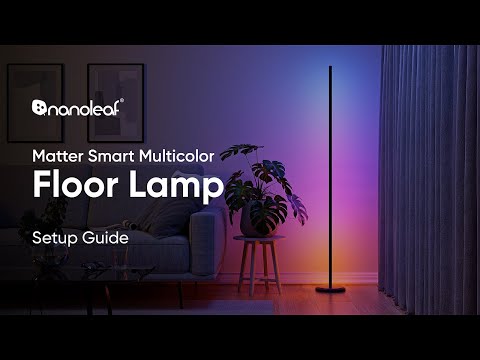
These lamps use programmable LED diodes embedded in the stem or shade, allowing users to cycle through millions of colors. Most models connect to Wi-Fi or Bluetooth and pair with companion apps like Philips Hue, LIFX, or proprietary ecosystems. You can set a warm amber glow for a cozy evening or shift to deep blues and purples for a party atmosphere. The best LED floor lamps feature smooth transitions and presets for common moods like reading, relaxing, or energizing.
Painted and Handcrafted Floor Lamps
Artisan-crafted lamps represent a completely different approach to color. These are often made from materials like wrought iron, bamboo, or reclaimed wood, then hand-painted or dyed in rich, multicolored patterns. Moroccan-inspired designs with intricate geometric motifs and Scandinavian-style lamps in matte pastel tones both fall into this category. Because each piece is unique, a handcrafted colorful floor lamp adds an irreplaceable element of artistry to any room.
RGB Accent and Gradient Floor Lamps
Gradient lamps use segmented LED strips or layered fabric shades that blend one color into another—think sunset orange fading into soft pink, or emerald green transitioning into ocean blue. These are particularly popular in modern and minimalist interiors because they add depth and visual interest without overwhelming the space. The gentle color shift creates an ambient glow that feels organic and calming.
How to Choose the Right Colorful Floor Lamp
Selecting a colorful standing lamp involves more than picking the prettiest shade on a showroom floor. Several practical factors determine whether a lamp will look and function well in your specific environment.
Matching Lamp Color to Your Room Palette
Start by identifying the dominant color scheme in your room. If your walls are neutral—think white, beige, or soft gray—a brightly colored lamp acts as a deliberate accent that draws the eye exactly where you want it. A cobalt blue floor lamp against a white living room wall, for instance, creates a striking contrast that feels intentional and curated. On the other hand, if your room already features bold wallpaper or colorful furniture, consider a lamp that complements rather than competes. Earthy terracotta tones pair beautifully with warm wood furniture, while cool mint green works well alongside blush pink and cream accents.
Brightness and Light Temperature Considerations
Color is not just about the visible exterior of the lamp—it also refers to the quality of light it emits. Many colorful floor lamps offer adjustable color temperature settings, allowing you to switch between cool daylight (around 5000K) and warm white (around 2700K). For reading nooks, warmer tones reduce eye strain and create a cozy ambiance. In workspaces or kitchens, cooler light temperatures improve focus and clarity. Always check whether the lamp offers dimming capabilities as well, since brightness control dramatically affects how the colored light interacts with your room surfaces.
Best Rooms and Spaces for a Colorful Floor Lamp
While you can technically place a decorative floor lamp anywhere, certain spaces benefit more than others from the addition of vibrant, colorful lighting.
- Living Rooms: A colorful floor lamp positioned beside a sofa or armchair instantly elevates the seating area. It replaces the need for multiple accessories and serves as both a task light and a design statement.
- Bedrooms: Gradient LED lamps placed in corners create a soft, moody glow that is perfect for winding down at night. Choose muted tones like dusty rose or lavender for a restful environment.
- Home Offices: A lamp with adjustable color temperature and a bold exterior keeps your workspace visually stimulating while ensuring you have adequate light for focused tasks.
- Hallways and Entryways: These narrow spaces often lack natural light. A tall, colorful floor lamp in a high-traffic area adds immediate warmth and makes the first impression count.
- Playrooms and Children’s Rooms: RGB lamps that cycle through playful colors add a fun, energetic vibe and can even be used as a nightlight with dimmed settings.
Key Features to Prioritize in a Colorful Floor Lamp
Not all vibrant floor lamps are created equal. When comparing options, pay attention to the following features that separate a quality piece from a disposable decorative item.
- Light Output (Lumens): Aim for at least 800 lumens for general room lighting and 400 lumens for accent purposes. Higher lumen counts provide better coverage across larger rooms.
- Color Rendering Index (CRI): A CRI of 90 or above ensures that colors in your room look natural and accurate under the lamp’s glow. Low CRI lamps distort skin tones and make decor appear flat.
- Build Material: Metal and hardwood bases offer durability and stability. Plastic and thin composite materials may look appealing but tend to tip over or degrade over time.
- Smart Compatibility: Integration with Alexa, Google Home, or Apple HomeKit allows voice control and automation, making it easy to change colors without reaching for a switch.
- Height and Proportion: Standard floor lamps range from 55 to 72 inches tall. Choose a height that places the light source at eye level when seated for optimal task lighting.
- Power Source: Corded lamps offer consistent power, while battery-operated or rechargeable models provide placement flexibility but may need frequent charging.
Comparison Table: Popular Colorful Floor Lamp Styles
| Style | Best For | Color Range | Price Range | Smart Features |
| LED Color-Changing | Tech-savvy homeowners, party spaces | Full spectrum, 16M+ colors | $60 – $250 | Yes, app and voice control |
| Hand-Painted Artisan | Boho, eclectic, and traditional interiors | Custom, limited edition hues | $120 – $500 | No |
| Gradient LED | Modern and minimalist spaces | Sunset, ocean, aurora presets | $80 – $200 | Often included |
| Painted Metal Sculptural | Statement corners, entryways | Solid bold colors | $40 – $150 | No |
| Fabric Shade with Color Bulbs | Cozy reading areas, bedrooms | Warm tones, saturated pastels | $30 – $100 | Varies by model |
Expert Tips for Styling a Colorful Floor Lamp
Placing a bold floor lamp in a room is only half the battle. How you style around it determines whether it looks like a deliberate design choice or a random addition. Follow these professional tips to get the best results.
First, consider the scale of the lamp relative to your furniture. An oversized lamp beside a petite side table looks awkward, while a small lamp lost behind a large sofa disappears visually. The lamp should be proportionate to the surrounding pieces—ideally, the shade or light source should sit at or just above eye level when you are seated.
Second, use the lamp’s color to create a color triangle within the room. Pick up one of the secondary colors from your rug, throw pillows, or artwork and echo it in the lamp. This creates visual cohesion and makes the entire space feel thoughtfully designed rather than randomly decorated.

Third, do not underestimate the power of the lamp’s base and stem. A sculptural base in brass, marble, or blackened steel adds a layer of texture and sophistication that elevates even the simplest colorful shade. Conversely, a plain base paired with a vibrant hand-painted shade creates a beautiful contrast that feels artisanal and warm.
Finally, experiment with placement. Move the lamp to different corners and observe how the colored light interacts with your walls, ceiling, and furniture at different times of day. A lamp that casts a soft lavender glow on a white wall in the evening creates an entirely different mood than the same lamp placed near a bookshelf with colorful spines.
Conclusion
A colorful floor lamp is one of the most versatile and impactful decor investments you can make for your home. Whether you opt for a high-tech LED model with millions of color options, a hand-painted artisan piece with one-of-a-kind charm, or a gradient lamp that bathes your room in gentle hue transitions, the right lamp transforms ordinary spaces into personalized retreats. By considering your room’s color palette, lighting needs, and styling goals, you can find a lamp that is both functional and visually stunning. The key is to treat it not just as a light source but as a piece of living art—one that shifts, glows, and evolves with your space every single day.
Frequently Asked Questions
What is the best colorful floor lamp for a small apartment?
For small apartments, a slim-profile gradient LED floor lamp works best because it provides vibrant color without taking up much floor space. Look for a lamp that stands between 55 and 60 inches tall and has a narrow base to keep the footprint minimal. Models with a built-in dimmer allow you to reduce brightness when the room is already tight on light sources, preventing the space from feeling overwhelming.
Are colorful floor lamps safe for children’s rooms?
Yes, provided you choose a lamp with cool-to-the-touch LED technology and a sturdy, tip-resistant base. Avoid lamps with glass shades or exposed bulbs in rooms where children play. RGB lamps with a “nightlight” mode that emits only soft, warm colors at low brightness are ideal for kids’ bedrooms. Always secure the lamp’s power cord against the wall using cable covers to prevent tripping hazards.
How do I clean and maintain a colorful floor lamp?
For painted or handcrafted lamps, dust the surface weekly with a soft microfiber cloth and avoid chemical cleaners that can strip the finish. LED color-changing lamps generally require only occasional dusting of the LED housing to maintain brightness. Check the manufacturer’s guidelines for any fabric shades, as some can be gently hand-washed or spot-cleaned with mild soap and water. Replace LED bulbs or LED strips according to the manufacturer’s recommended lifespan, typically after 25,000 to 50,000 hours of use.
Can a colorful floor lamp be used as the primary light source in a room?
A colorful floor lamp can serve as a primary light source in rooms with low ceiling heights and modest square footage, but it is best used as a supplementary light alongside overhead fixtures or table lamps. For rooms larger than 200 square feet, a single floor lamp—no matter how bright—may not provide sufficient even illumination. Use it as your main accent light and pair it with a ceiling fixture for balanced, layered lighting throughout the space.
What color temperature works best for a relaxing bedroom atmosphere?
For a relaxing bedroom atmosphere, choose a colorful floor lamp that offers warm color temperatures between 2200K and 2700K. Warm amber and soft pink hues promote melatonin production and signal your body that it is time to wind down. Avoid cool blues and bright whites in the evening, as these suppress melatonin and can interfere with your sleep cycle. Many smart RGB lamps include pre-set “bedtime” modes that gradually dim and shift to warm tones over a 30-minute period.