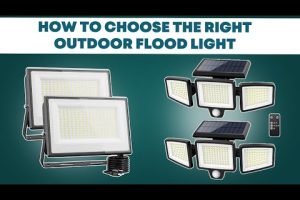



When it comes to transforming the look, feel, and safety of your home’s exterior, exterior outdoor LED lights have become the go-to choice for homeowners and designers alike. Gone are the days when you had to settle between harsh, energy-guzzling halogen floods or dim, unreliable incandescent bulbs. Today’s LED landscape lighting solutions deliver brilliant illumination while sipping a fraction of the electricity — and lasting decades longer than traditional alternatives. Whether you are looking to accentuate architectural details, illuminate walkways for safety, or create a warm and inviting patio atmosphere, understanding the full scope of outdoor LED light fixtures will help you make smarter purchasing decisions. In this guide, we break down everything from the basics of LED technology to advanced strategies for designing a professional-grade exterior lighting system that works beautifully night after night.
Why Exterior Outdoor LED Lights Are Worth the Investment
The shift from conventional outdoor lighting to LED technology is not just a trend — it is a fundamental upgrade driven by performance, economics, and environmental responsibility. Exterior LED lights operate on solid-state technology, meaning they do not rely on fragile filaments or gas-filled tubes that burn out quickly. This core engineering difference translates into measurable benefits that every homeowner should consider.
Energy Efficiency and Cost Savings

One of the most compelling reasons homeowners switch to outdoor LED lighting is the dramatic reduction in energy consumption. A standard LED landscape light uses roughly 75% less electricity than an equivalent halogen fixture producing the same lumen output. Over a year of continuous operation, this difference can translate into hundreds of dollars saved on your electricity bill. For solar LED outdoor lights that harvest free energy from the sun, the savings are even more pronounced since the operating cost is essentially zero after installation.
Lifespan and Durability
Quality exterior LED light fixtures are engineered to last between 30,000 and 50,000 hours or more. To put that into perspective, if you run your porch lights for eight hours each night, a single LED fixture could last well over a decade before needing replacement. Unlike traditional bulbs that dim gradually before failing, most LEDs maintain consistent brightness throughout their lifespan and simply stop working at the end of their rated life.
Weather Resistance and Build Quality
Modern outdoor LED lighting is built to endure rain, snow, extreme heat, and freezing temperatures. Look for fixtures rated with an IP65 or IP67 ingress protection certification, which guarantees waterproof and dustproof performance. The best exterior LED lighting products also feature corrosion-resistant housing materials such as die-cast aluminum, stainless steel, or high-grade polycarbonate that resist UV degradation and physical damage.
Types of Exterior Outdoor LED Light Fixtures
The outdoor LED lighting market offers an impressive variety of fixture types, each designed for specific applications and aesthetic goals. Understanding what each category does will help you select the right pieces for your property.
- LED Flood Lights Outdoor: These high-output fixtures deliver wide beams ideal for illuminating large areas such as driveways, building facades, and sports courts. They are commonly used for security purposes because their brightness deters intruders and improves camera visibility.
- LED Path Lights: Low-profile stake-mounted fixtures designed to line walkways, garden borders, and flower beds. They provide gentle downward illumination that guides foot traffic while adding decorative ambiance.
- LED Wall Lanterns and Sconces: Mounted near entryways, garages, and porches, these fixtures provide welcoming illumination and enhance architectural curb appeal.
- LED Deck and Step Lights: Recessed or surface-mounted fixtures installed on stair treads, decking edges, and railings to prevent trips and falls while creating a sophisticated atmosphere.
- LED String Lights and Festoon Lights: Popular for patio dining areas, pergolas, and backyard gatherings, these create a warm and festive environment with soft, diffused glow.
- LED Spotlights and Accent Lights: Narrow-beam fixtures used to highlight trees, sculptures, textured walls, and other focal points in the landscape.
Key Specifications to Consider When Buying
Not all exterior LED light fixtures are created equal. Before making a purchase, understanding these technical specifications will prevent costly mistakes and ensure you get exactly what your outdoor space needs.
| Specification | What to Look For | Why It Matters |
| Lumens | 400–1000+ for floods; 50–200 for path lights | Determines brightness output for the intended area |
| Color Temperature (Kelvin) | 2700K–3000K for warm ambient; 4000K–5000K for task/security | Affects the mood and visibility of the space |
| IP Rating | IP65 minimum for general outdoor use; IP67 for submerged areas | Guarantees waterproof and dustproof durability |
| CRI (Color Rendering Index) | 80+ for natural color appearance | Higher CRI makes colors look more accurate under the light |
| Dimmability | Compatible with PWM or trailing-edge dimmers | Allows flexibility in setting the mood and reducing energy use |
| Operating Temperature | -22°F to 122°F range or wider | Ensures reliable performance in harsh climates |
| Material | Die-cast aluminum, 304 stainless steel, polycarbonate | Determines corrosion resistance and longevity |
Design Strategies for Professional Results
Installing exterior outdoor LED lights is not simply about placing fixtures wherever you need light. Thoughtful design principles separate a mediocre setup from one that elevates your entire property. Here are expert-level strategies that landscape lighting professionals rely on.
- Layer Your Lighting: Combine ambient (general illumination), task (functional areas like steps and gates), and accent (highlighting architectural or natural features) lighting to create depth and visual interest.
- Use Uplighting for Drama: Position LED spotlights at ground level aimed upward at tree trunks, textured walls, or monument features. This technique creates dramatic shadows and emphasizes texture in ways downlighting cannot achieve.
- Avoid Over-Illumination: More light does not mean better. Excessive brightness creates glare, wastes energy, and disrupts the natural beauty of your landscape. Aim for targeted pools of light rather than flooding every square inch.
- Consider Light Pollution Regulations: Many municipalities now enforce dark-sky ordinances that restrict upward light spill and certain color temperatures. Choose fixtures with full cutoff shields and warm color temperatures (2700K–3000K) to stay compliant.
- Plan for Wiring and Transformers: Low-voltage LED systems (12V or 24V) require a transformer to step down household voltage. Calculate the total wattage of all fixtures and choose a transformer with at least 20% headroom capacity to prevent overload.
Solar vs. Hardwired LED Outdoor Lighting
One of the most common debates among homeowners is whether to invest in solar LED outdoor lights or hardwired systems. Each has distinct advantages depending on your situation.
- Solar LED Outdoor Lights are ideal for rental properties, remote garden areas, and temporary installations where running wiring is impractical or cost-prohibitive. However, their performance depends heavily on sunlight exposure and battery capacity. During cloudy weeks or in heavily shaded areas, solar fixtures may not charge fully and can produce dimmer light.
- Hardwired Exterior LED Lighting delivers consistent, reliable performance regardless of weather conditions. These systems connect directly to your home’s electrical supply, often through a low-voltage transformer, and support higher-wattage fixtures and dimming controls. While installation requires professional wiring, the result is a permanent, high-performance system that can be expanded over time.
Maintenance Tips for Long-Lasting Performance
One of the greatest advantages of exterior outdoor LED lights is their minimal maintenance requirements compared to traditional lighting. However, a few proactive steps will keep your system performing at peak levels for years.
- Clean fixtures periodically to remove dirt, pollen, and insect buildup that can reduce light output and cause overheating.
- Inspect waterproof seals and gaskets annually, especially on fixtures exposed to heavy rain or sprinkler spray.
- Check transformer connections and wiring for signs of corrosion or damage, particularly after severe weather events.
- Replace any dimming or flickering LED modules promptly, as these are signs of driver failure that can affect the entire circuit.
- Trim vegetation away from fixtures to prevent shading, which reduces solar charging efficiency and can trap moisture against the housing.
Conclusion
Exterior outdoor LED lights represent the gold standard in modern landscape illumination — combining exceptional energy efficiency, remarkable longevity, and versatile design options that suit virtually any property style and budget. By understanding fixture types, key specifications, and design principles, you can build an outdoor lighting system that enhances safety, boosts curb appeal, and creates an inviting atmosphere for family and guests alike. Whether you start with a few solar LED outdoor lights for simplicity or invest in a fully wired low-voltage system for maximum control, the return on investment in both savings and satisfaction is undeniable.
Frequently Asked Questions
What is the best color temperature for exterior outdoor LED lights?
For most residential applications, a color temperature between 2700K and 3000K produces a warm, inviting glow that complements natural landscaping and architectural materials. If your primary goal is security or task lighting, 4000K to 5000K delivers a brighter, cooler light that improves visibility and alertness.
How long do exterior LED light fixtures typically last?

High-quality exterior LED light fixtures rated at IP65 or higher typically last between 30,000 and 50,000 hours. Assuming an average of 8 hours of nightly operation, this translates to roughly 10 to 17 years of continuous use before needing replacement.
Can I install exterior outdoor LED lights myself, or do I need a professional?
Solar LED outdoor lights are designed for simple DIY installation with no wiring required, making them an excellent choice for homeowners comfortable with basic mounting tasks. Hardwired low-voltage systems can also be installed by a skilled DIYer with basic electrical knowledge, but line-voltage fixtures connected directly to household circuits should always be handled by a licensed electrician for safety and code compliance.
Are LED outdoor lights waterproof?
Most modern exterior LED lighting products carry an IP rating that indicates their level of water and dust resistance. IP65-rated fixtures are protected against water jets and heavy rain, making them suitable for general outdoor use. IP67 fixtures can withstand temporary submersion and are ideal for areas subject to standing water or direct hose spray.
Do exterior LED lights attract bugs?
One significant advantage of LED technology is that it produces very little UV radiation and minimal heat, both of which are primary attractants for insects. Warm white LEDs (2700K–3000K) are particularly effective at minimizing bug attraction compared to traditional mercury vapor or fluorescent outdoor light fixtures, making your outdoor evenings far more enjoyable.