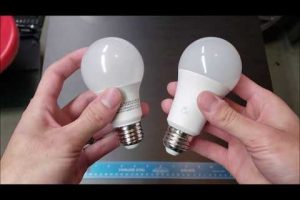



Auto light bulbs are one of the most overlooked yet impactful upgrades you can make to your vehicle. Whether you are replacing a burned-out headlight, upgrading your fog lights for better visibility, or simply searching for the brightest auto light bulbs available, the choices on the market today can be overwhelming. From halogen to LED to xenon HID, each bulb type serves a different purpose, fits different budgets, and delivers vastly different performance levels. This guide breaks everything down in detail so you can make an informed decision without sifting through marketing fluff.
What Are Auto Light Bulbs and Why Do They Matter?
Auto light bulbs are specialized lighting units designed to fit inside vehicles, providing illumination for safe driving during nighttime, adverse weather, and low-visibility conditions. They power everything from your headlights and taillights to interior dome lights and dashboard indicators. The right set of bulbs can mean the difference between seeing a hazard in time or not seeing it at all. Upgrading your vehicle’s lighting system is not just about aesthetics; it directly impacts road safety, driving comfort, and even energy efficiency.
Modern vehicles come equipped with increasingly sophisticated lighting systems, and understanding the technology behind auto light bulbs helps you choose the best option for your specific driving needs. Whether you commute through foggy rural roads or navigate city streets at night, the bulb type and quality you select matter significantly.
Types of Auto Light Bulbs
Not all auto light bulbs are created equal. The market is dominated by four primary technologies, each with its own strengths, weaknesses, and ideal use cases.

LED Auto Light Bulbs
Light Emitting Diode (LED) bulbs have rapidly become the gold standard for automotive lighting. They consume significantly less power than traditional alternatives, produce intense white light, and last far longer. LED auto light bulbs typically last between 30,000 and 50,000 hours, meaning you may never need to replace them during the lifetime of your vehicle.
- Instant full brightness — no warm-up time
- Energy efficient and generate minimal heat
- Available in a wide range of color temperatures
- Compact designs fit modern vehicle housings
Halogen Auto Light Bulbs
Halogen bulbs have been the industry standard for decades. They use a tungsten filament enclosed in a halogen gas-filled glass envelope. These bulbs are affordable, widely available, and produce a warm yellowish light that performs reasonably well in standard headlight housings. However, they are less energy efficient and have a shorter lifespan compared to modern alternatives.
- Budget-friendly and easy to find
- Simple replacement process in most vehicles
- Produce a warm, natural-looking light
- Shorter lifespan of approximately 450 to 1,000 hours
Xenon / HID Auto Light Bulbs
High-Intensity Discharge (HID) or xenon bulbs create light by sending an electrical arc through xenon gas. They produce an intensely bright, blue-white beam that significantly outperforms halogen in terms of reach and brightness. HID bulbs are popular among drivers who frequently travel on unlit roads or highways. However, they require ballasts and warm-up time, which adds complexity to the installation process.
Incandescent and Specialty Bulbs
While largely phased out for headlights, traditional incandescent bulbs still serve roles in turn signals, interior lighting, and backup lights. Specialty bulbs like fog lights, driving lights, and accent LED strips also fall under the broader auto light bulbs category and cater to specific aesthetic or functional needs.
How to Choose the Right Auto Light Bulb for Your Vehicle
Selecting the correct bulb involves more than just picking the brightest option off the shelf. Compatibility, housing design, and local regulations all play crucial roles in determining what works best for your vehicle.
Match the Bulb Type to Your Vehicle’s Socket and Housing
Every vehicle uses specific bulb sizes and socket types. Common auto light bulb sizes include H1, H4, H7, H11, 9005, 9006, H3, and H8/H9/H11, among others. Using the wrong bulb size will not only prevent proper installation but can also damage your vehicle’s electrical system or headlight housing. Always consult your owner’s manual or check the existing bulb’s base markings before purchasing replacements.
Brightness, Lumens, and Color Temperature
When comparing auto light bulbs, pay attention to three key metrics:
- Lumens: This measures the total light output. Higher lumens mean brighter light, but blindly chasing the highest lumen count can cause glare for oncoming drivers.
- Color Temperature (Kelvin): Measured in Kelvin (K), this determines the light’s color appearance. Lower Kelvin values (3,000K–3,500K) produce warm yellow light ideal for fog and rain, while higher values (5,000K–6,500K) produce a crisp white or slightly blue light preferred for clear nighttime driving.
- Beam Pattern: Even the brightest bulb will underperform if the beam pattern does not match the headlight housing design. Proper alignment ensures maximum road coverage without blinding other drivers.
Benefits of Upgrading Your Auto Light Bulbs
Investing in quality auto light bulbs delivers tangible benefits that go far beyond simply replacing a burnt-out filament.
- Enhanced Nighttime Visibility: Modern LED and HID bulbs illuminate the road significantly farther and wider than standard halogen, giving you more reaction time to hazards, pedestrians, and wildlife.
- Improved Safety: Better illumination reduces accident risk, especially on poorly lit roads, rural highways, and during inclement weather.
- Energy Efficiency: LED bulbs draw a fraction of the power consumed by halogen or HID systems, reducing strain on your vehicle’s electrical system and improving fuel economy slightly.
- Longevity and Reduced Maintenance: Upgrading to long-life bulbs means fewer replacements, saving both money and time over the years.
- Aesthetic Appeal: Modern white and cool-toned light gives your vehicle a contemporary, refined look that enhances its overall appearance.
Top Auto Light Bulb Brands Compared
The market features numerous brands, and quality varies widely. Below is a comparison of some of the most reputable auto light bulb manufacturers to help you narrow your options.
| Brand | Technology | Avg. Lifespan | Price Range | Best For |
| Philips | LED, Halogen, HID | Up to 2,500 hrs (halogen) | $ | Reliable daily driving |
| OSRAM | LED, HID, Halogen | Up to 3,000 hrs (halogen) | $ | Performance and durability |
| BeamTech | LED, HID | Up to 50,000 hrs (LED) | $–$ | Budget-friendly upgrades |
| Cougar Motor | LED | Up to 30,000 hrs | $ | Affordable LED replacements |
| Diode Dynamics | LED | Up to 50,000 hrs | $$ | Premium OEM-style upgrades |
When evaluating auto light bulbs, always prioritize brands with strong warranty policies, verified customer reviews, and third-party testing certifications. No-name or unverified brands often exaggerate lumen output and may fail prematurely, costing you more in the long run.
Installation Tips and Common Mistakes
Replacing auto light bulbs is generally straightforward, but a few critical tips ensure a successful installation and longer bulb life.
- Never touch the glass lens with bare hands. Oils from your skin create hot spots on the bulb surface, dramatically shortening its lifespan. Always use gloves or a clean cloth.
- Let the bulb cool completely before handling. Operating bulbs reach extreme temperatures, and burns are a common injury during replacement.
- Check for CAN-bus compatibility. Many modern vehicles use CAN-bus systems that monitor bulb status. LED bulbs with lower wattage can trigger error messages or hyperflash on turn signals. Purchase resistors or CAN-bus-compatible bulbs to avoid these issues.
- Align the beam properly after installation. Even the best auto light bulbs will perform poorly if the headlight assembly is misaligned. Adjust the aim according to your vehicle’s specifications.
- Replace bulbs in pairs. Installing a new bulb on only one side creates an uneven lighting pattern that can be distracting and reduce overall visibility.

Auto Light Bulbs FAQs
What is the best auto light bulb for nighttime highway driving?
For nighttime highway driving, LED bulbs with a color temperature between 5,500K and 6,000K and a lumen output of 3,000 to 6,000 lumens per pair tend to perform best. Brands like Philips X-tremeVision and OSRAM Night Breaker Laser deliver excellent throw distances that light up the road far ahead without excessive glare. Pairing these bulbs with a properly aligned headlight housing maximizes their effectiveness.
Can I replace halogen bulbs with LED bulbs in my factory housing?
Yes, in most cases you can swap halogen bulbs for LED bulbs, but compatibility depends on the headlight housing design. Reflector-style housings work best with LED retrofits, while projector housings may require specific LED bulb shapes to avoid light cutoff issues. Always verify the bulb’s beam pattern matches your housing before installation.
How long do LED auto light bulbs typically last?
High-quality LED auto light bulbs generally last between 30,000 and 50,000 hours of operation. At average daily usage of two to three hours, this translates to roughly 25 to 40 years of service. However, actual lifespan depends on operating temperature, voltage stability, and the quality of the bulb’s internal driver and heat sink components.
Are brighter auto light bulbs always better?
Not necessarily. A bulb that is too bright for an improperly designed housing can blind oncoming drivers, creating dangerous situations and potentially violating local traffic regulations. The goal is to find the optimal balance between brightness, beam pattern, and color temperature that complements your specific vehicle’s lighting system.
What auto light bulb is best for foggy or rainy conditions?
Bulbs with lower color temperatures around 3,000K to 3,500K produce a warm yellowish light that cuts through fog, rain, and snow more effectively than white or blue-toned bulbs. These bulbs reduce glare reflection off moisture particles in the air, improving visibility during adverse weather conditions.
Final Thoughts on Auto Light Bulbs
Choosing the right auto light bulbs is one of the simplest yet most rewarding upgrades you can make to your vehicle. Whether you prioritize safety, aesthetics, or longevity, understanding the differences between LED, halogen, and HID technologies empowers you to select bulbs that genuinely improve your driving experience. Always prioritize compatibility, quality brands, and proper installation techniques to get the most out of every bulb you install. With the right set of auto light bulbs on your vehicle, you will enjoy brighter, safer, and more confident drives — night after night, mile after mile.