


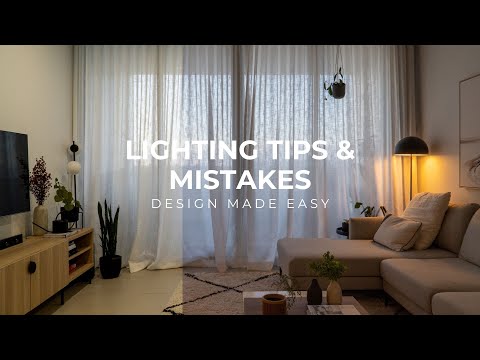
When you walk into a room and feel an immediate sense of warmth, comfort, and visual harmony, the reason often comes down to one thing: the lighting. Ambient light fixtures are the unsung heroes of interior design, quietly shaping how we experience every space we inhabit. Unlike harsh overhead spots or task-specific lamps that compete for attention, ambient lighting wraps a room in a gentle, diffused glow that sets the mood and ties the entire design together. Whether you are renovating a living room, designing a hospitality venue, or simply looking to upgrade your home’s atmosphere, understanding the world of ambient lighting fixtures can transform the way you think about illumination.
What Are Ambient Light Fixtures?
Ambient light fixtures, also known as general lighting fixtures, are designed to provide a room with its overall, uniform level of light. They serve as the foundational layer in any lighting plan, filling spaces with soft, even illumination that eliminates harsh shadows and dark corners. Think of them as the canvas upon which all other lighting layers — accent, task, and decorative — are painted.
The purpose of ambient lighting goes beyond simple visibility. These fixtures influence circadian rhythms, emotional comfort, and even perceived room size. A well-chosen ambient light fixture can make a compact apartment feel expansive or turn a cavernous hall into a cozy retreat.
Types of Ambient Light Fixtures
The market offers a remarkably diverse range of ambient lighting solutions. Each type brings its own character, and the best choice depends on your room’s architecture, your design preferences, and your practical needs.
Ceiling-Mounted Fixtures
Chandeliers, pendant lights, flush-mount ceiling lights, and semi-flush fixtures are the most traditional ambient light fixtures. Chandeliers work beautifully in dining rooms and foyers where vertical clearance allows for drama and grandeur. Flush-mount ceiling lights are ideal for rooms with low clearance, delivering broad, even light without protruding into the space.
Recessed Lighting
Also called can lights or downlights, recessed ambient fixtures sit flush with the ceiling, creating a clean, minimalist look. They are enormously popular in modern and contemporary interiors because they distribute light evenly across a room without drawing visual attention to the fixture itself.
Track Lighting
Track-mounted fixtures offer adjustable heads that can be repositioned as your needs change. While they often serve dual purposes as both ambient and accent lighting, certain configurations deliver beautifully balanced general illumination when all heads aim upward to bounce light off the ceiling.
Wall Sconces and Uplights
Wall-mounted sconces are an elegant ambient solution that directs light upward or outward, softening the room’s atmosphere. Upward-facing wall washers and torchère floor lamps are also categorized as ambient fixtures because they indirectly illuminate the ceiling and upper walls, creating a luminous, enveloping effect.
Light Panels and Cove Lighting
LED light panels and cove fixtures represent a more advanced approach. They hide the light source behind architectural elements, casting a soft, diffuse wash that feels almost natural. Cove lighting is especially prized in luxury residential and commercial interiors for its seamless, ethereal quality.
How to Choose the Right Ambient Light Fixture for Your Space
Selecting the ideal ambient lighting fixtures requires balancing aesthetics with function. Here are the key factors to evaluate before making a purchase.
- Room Size and Ceiling Height — A large open-plan living room may need multiple recessed downlights or a substantial chandelier, while a small bedroom benefits from a single flush-mount fixture or a pair of wall sconces.
- Color Temperature — Warm white (2700K–3000K) is the go-to for ambient residential lighting because it mimics the golden tones of sunset and creates an inviting atmosphere. Cool white (4000K–5000K) suits offices and modern kitchens where clarity matters more than coziness.
- Dimmability — Fixtures compatible with dimmer switches give you the flexibility to transition from bright daytime ambiance to moody evening lighting with a single adjustment.
- Style and Material — Fixtures should complement your interior palette. Brass and glass fixtures suit traditional aesthetics, while matte black, brushed nickel, and concrete finishes align with contemporary and industrial designs.
- Energy Efficiency — LED-based ambient fixtures consume a fraction of the energy used by incandescent alternatives and last significantly longer, making them the smart investment for any homeowner.
Ambient Lighting in Different Rooms: Practical Recommendations
Living Room
The living room is where ambient lighting carries the most decorative responsibility. A combination of a central chandelier or pendant paired with recessed ceiling lights and a floor torchère creates a layered, inviting environment. Dimmers are essential here because the room transitions through multiple moods throughout the day.
Kitchen
Ambient fixtures in kitchens should provide even, glare-free illumination across counters and seating areas. Recessed downlights or surface-mounted LED panels work best. Avoid placing fixtures directly above islands where they might create harsh shadows on food preparation surfaces.
Bedroom
Soft, warm ambient lighting is critical in the bedroom for relaxation and sleep hygiene. Flush-mount fixtures, fabric-shaded pendants, and cove lighting are excellent choices. Consider fixtures with warm dimming technology that shifts color temperature as you lower the brightness, mimicking the natural progression of twilight.
Commercial and Hospitality Spaces
Restaurants, hotels, and retail environments use ambient light fixtures to establish brand identity and influence customer behavior. Warm, low-level ambient lighting encourages longer stays in cafés, while bright, even general lighting in retail spaces improves product visibility and the shopping experience.
Ambient vs. Task vs. Accent Lighting: A Comparison
Understanding how ambient lighting relates to other layers is crucial for any well-designed space. The table below clarifies the distinctions.
| Lighting Layer | Primary Purpose | Typical Fixtures | Example Use |
| Ambient | Overall room illumination | Chandeliers, recessed lights, panels | Living room general glow |
| Task | Focused light for activities | Under-cabinet lights, desk lamps | Kitchen prep, reading desk |
| Accent | Highlighting features or objects | Track heads, picture lights | Artwork, architectural details |
The most successful lighting designs layer all three types together. Ambient fixtures form the base; task and accent lights add precision and visual interest on top.
Installation and Placement Tips from the Pros
Even the most expensive ambient light fixture will underperform if installed incorrectly. Here are expert tips to maximize impact.
- Position recessed lights 1.5 to 2 feet from walls to avoid harsh edge shadows and create a balanced wash across the ceiling.
- Use the rule of spacing: divide the ceiling height by two to determine the distance between each recessed fixture. For an 8-foot ceiling, space lights approximately 4 feet apart.
- Install ambient fixtures on separate circuits so you can control them independently from task lights, giving you true layering capability.
- Consider the ceiling finish. Dark ceilings absorb light, so you may need brighter fixtures or more units to achieve the same ambient level as a white or reflective ceiling.
- Place cove lighting behind architectural ledges at a 45-degree angle to the wall for the most uniform, shadow-free diffusion.
Emerging Trends in Ambient Lighting Technology
The ambient light fixture industry is evolving rapidly, driven by advances in LED technology, smart home integration, and human-centric design principles.
Smart Ambient Lighting systems from brands like Philips Hue, Lutron, and LIFX allow users to control color temperature, brightness, and even light animation through smartphone apps or voice assistants. Some systems integrate with circadian lighting algorithms that automatically adjust throughout the day to support natural energy cycles.
Organic and Sculptural Designs are replacing the geometric, mass-produced fixtures of the past. Handmade ceramic pendants, woven rattan shades, and irregular glass forms are becoming signature ambient pieces that double as art objects.
Micro-LED Panels are gaining traction in commercial environments. These ultra-thin, seamless panels can be embedded directly into ceilings and walls, delivering flawless, shadow-free ambient illumination without any visible light source.
Common Mistakes to Avoid When Choosing Ambient Fixtures
- Over-lighting a room — Too many fixtures create glare and visual fatigue. Measure your room’s lumens per square foot and choose fixtures that meet the target without exceeding it.
- Ignoring beam angle — Wide beam angles (60°–120°) are best for ambient distribution. Narrow beams create spots rather than a smooth wash.
- Matching fixtures to a single style — Mixing ambient fixture styles can actually add depth and personality to a room, as long as they share a common finish or material thread.
- Neglecting maintenance — Dust accumulates on shades and diffusers, significantly reducing light output. Choose fixtures that are easy to clean or that use sealed, lens-covered LED modules.

Conclusion
Ambient light fixtures are far more than a functional necessity — they are the emotional backbone of every well-designed interior. From the simplicity of a flush-mount LED panel to the artistry of a hand-blown glass chandelier, the right ambient lighting solution transforms spaces, influences moods, and elevates everyday experiences. By understanding the types available, the principles of selection, and the latest technological innovations, you can make informed decisions that bring both beauty and brilliance to every room in your home or commercial space. Start with ambient lighting, and everything else will fall into place.
Frequently Asked Questions

What is the difference between ambient light and general light?
The terms are essentially interchangeable. “Ambient light” emphasizes the atmospheric, mood-enhancing quality of the illumination, while “general light” refers to the functional role of providing baseline brightness for a space. In practice, both describe fixtures designed to deliver uniform, room-wide illumination without glare or harsh shadows.
How many ambient light fixtures do I need per room?
A common guideline is to calculate the total lumens needed (approximately 20 lumens per square foot for living spaces) and divide by the output of each fixture. For recessed lights in an 8-foot-ceiling room, spacing them about 4 feet apart in a grid pattern typically provides even ambient coverage. Adjust based on ceiling reflectance and fixture brightness.
Can ambient light fixtures be used outdoors?
Yes, many ambient fixtures are rated for outdoor use. Wet-rated or damp-rated chandeliers, post-mounted lanterns, and recessed porch lights can serve as ambient illumination on patios, porches, and covered outdoor living areas. Always check the IP rating to ensure the fixture is suitable for the specific outdoor environment.
What color temperature is best for ambient lighting in a bedroom?
Warm white light in the range of 2700K to 3000K is widely recommended for bedrooms. This color temperature replicates the soft, golden tones of natural evening light, promoting relaxation and supporting healthy melatonin production. For the most restful environment, choose fixtures with warm dimming capabilities that gradually shift toward amber tones as brightness decreases.
Are LED ambient fixtures worth the investment over traditional bulbs?
Absolutely. LED ambient fixtures use up to 75% less energy than incandescent alternatives, last 15,000 to 50,000 hours or more, and offer instant full brightness without warm-up time. They also come in a wide range of color temperatures and dimming options, giving you far more control over your ambient lighting experience.