


The 7443 LED bulb has become one of the most popular automotive lighting upgrades available today, and for good reason. Whether you are replacing a worn-out turn signal, a reverse light, or a brake light, choosing the right LED replacement can dramatically improve your vehicle’s visibility, safety, and aesthetic appeal. Unlike traditional halogen bulbs that burn hot and fade over time, the 7443 LED bulb delivers crisp, bright illumination while drawing significantly less power from your electrical system. In this comprehensive guide, we will cover everything you need to know about the 7443 LED bulb, from its technical specifications and real-world applications to expert buying tips and frequently asked questions that will help you make the most informed purchasing decision.
What Is a 7443 LED Bulb?
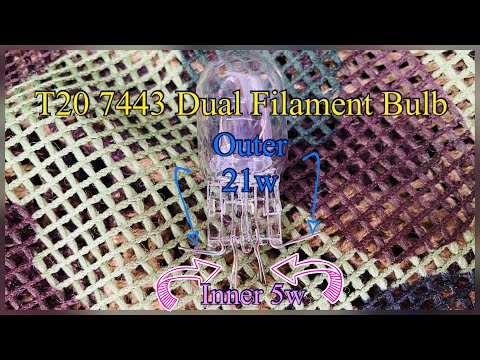
A 7443 LED bulb is a dual-filament light-emitting diode bulb designed to replace the traditional incandescent 7443 bulb in automotive applications. The 7443 designation refers to the bulb’s base type and wattage configuration, which includes two filaments — one for the dimmer mode (typically used as a running or tail light) and one for the brighter mode (used for braking or flashing signals). Modern 7443 LED bulbs replicate this dual-filament function using integrated circuitry and multiple LED emitters arranged on a single circuit board. This makes them an ideal plug-and-play upgrade for vehicles that use 7443 sockets in brake lights, turn signals, backup lights, and tail lights.
Key Features and Specifications of the 7443 LED Bulb
Understanding the technical specifications of a 7443 LED bulb is essential before making a purchase. Here are the most critical factors that differentiate quality bulbs from generic alternatives.
Brightness and Lumens
The brightness of a 7443 LED bulb is measured in lumens, and higher lumens do not always mean better performance. Most premium 7443 LED bulbs range between 600 and 1,200 lumens per filament. The dual-filament design means you get a dimmer output for running lights and a significantly brighter output for braking or signaling. Look for bulbs that use high-quality LED chips from manufacturers such as Cree, Lumileds, or Epistar, as these deliver superior luminous efficacy and longer lifespan.
Color Temperature Options
7443 LED bulbs are available in a range of color temperatures, typically spanning from 3,000K (warm amber) to 6,500K (cool daylight). For turn signals, many vehicle enthusiasts prefer 3,000K amber LEDs because they provide excellent visibility in fog, rain, and adverse weather conditions. For brake lights and reverse lights, 6,000K to 6,500K white LEDs offer a modern, clean look that enhances nighttime visibility.
Base Type and Socket Compatibility
The 7443 bulb uses a P23/5wedge base with a dual-contact design. This is a key specification that ensures the bulb fits securely into the socket and maintains proper electrical contact for both filaments. Always verify the socket type before purchasing, as some vehicles may use similar but incompatible bases such as the 7440 or 3157.
Applications and Where 7443 LED Bulbs Are Used
The 7443 LED bulb is incredibly versatile and is used across a wide range of vehicle lighting applications. Below are the most common uses.
- Brake Lights: The brighter filament provides instant, high-intensity illumination when you press the brake pedal, giving drivers behind you more reaction time.
- Turn Signals and Hazard Lights: The dual-filament design allows the bulb to flash between bright and dim modes, making it perfect for directional signals.
- Reverse Lights: The white 6,500K output improves rear visibility when backing up, especially in low-light conditions.
- Tail Lights and Running Lights: The dimmer filament keeps your tail lights visible without being overly bright during normal driving.
- Off-Road and Auxiliary Lighting: Some enthusiasts use 7443 LED bulbs in custom light bars and auxiliary setups due to their compact size and high output.
7443 LED Bulb vs 7443 Halogen Bulb: A Comparison
When deciding between an LED and a halogen 7443 bulb, the differences are substantial. The table below breaks down the key comparison points.
| Feature | 7443 LED Bulb | 7443 Halogen Bulb |
| Lifespan | 30,000–50,000 hours | 1,000–2,000 hours |
| Power Draw | 10–15 watts per filament | 21–27 watts per filament |
| Brightness (Lumens) | 600–1,200 per filament | 300–500 per filament |
| Response Time | Instant on (microseconds) | Slight delay (fraction of a second) |
| Heat Output | Low (aluminum heatsink required) | High (bulb gets very hot) |
| Durability | Shock resistant, no filament to break | Fragile glass filament |
| Energy Efficiency | 80–90% more efficient | Standard efficiency |
| Initial Cost | Moderate to high | Low |
| Long-Term Value | Excellent | Poor (frequent replacements) |

As you can see from the comparison, the 7443 LED bulb outperforms the halogen version in virtually every measurable category except initial purchase price. Over the lifespan of the vehicle, LED bulbs save significant money through reduced replacement frequency and lower energy consumption.
How to Choose the Right 7443 LED Bulb
Selecting the best 7443 LED bulb for your vehicle requires careful consideration of several factors.
Compatibility Considerations
Not all 7443 LED bulbs are created equal, and compatibility issues are the number one reason people return them. Some vehicles have CAN-bus systems that detect the lower power draw of LED bulbs and trigger error messages or hyperflashing turn signals. To avoid this, look for 7443 LED bulbs that include built-in resistors or are explicitly labeled as CAN-bus compatible. Additionally, verify the physical dimensions of the bulb against your vehicle’s socket housing, as some LED bulbs have bulky heatsinks that may not fit in tight enclosures.
Installation Tips
Installing a 7443 LED bulb is straightforward for most vehicles, but following these expert tips will ensure a smooth process:
- Turn off the ignition and allow the old bulb to cool completely before handling.
- Remove the lens or housing cover to access the socket.
- Unplug the old bulb by gently pulling the connector straight out.
- Align the new 7443 LED bulb’s dual-contact base with the socket and push firmly until it clicks into place.
- Test both filaments by activating the running lights and then the brakes or turn signals.
- If the bulb hyperflashes, install the included resistor or CAN-bus decoder inline with the connector.
- Reassemble the lens or housing and verify proper aim and alignment.
Benefits of Upgrading to a 7443 LED Bulb
The advantages of switching to a 7443 LED bulb extend far beyond simply replacing a burnt-out bulb.
- Enhanced Road Safety: LED bulbs illuminate instantly, giving surrounding drivers an immediate visual cue when you brake or signal. This split-second advantage can prevent rear-end collisions.
- Reduced Electrical Load: LEDs draw a fraction of the current compared to halogens, which reduces strain on your vehicle’s wiring and alternator over time.
- Modern Aesthetic: The clean, bright white or amber output of a 7443 LED bulb gives your vehicle a contemporary look that enhances its overall appearance.
- Minimal Maintenance: With a lifespan of up to 50,000 hours, a quality 7443 LED bulb may never need replacement for the entire ownership period of the vehicle.
- Improved Weather Performance: Amber 7443 LED bulbs cut through fog, rain, and snow far more effectively than standard white halogen bulbs, improving your visibility in adverse conditions.
Top Rated 7443 LED Bulbs to Consider
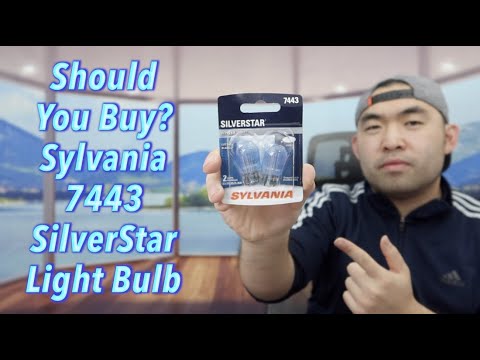
While there are dozens of brands on the market, a few consistently earn top marks from automotive lighting experts and verified buyers. Look for bulbs that feature aluminum or copper-backed LED boards for efficient heat dissipation, IP67 or higher waterproof ratings for weather resistance, and positive reviews specifically mentioning 7443 socket compatibility. Brands such as Auxito, BEAMTECH, and SYLVANIA are frequently recommended in automotive forums and professional reviews. When comparing options, prioritize lumens per watt efficiency and build quality over flashy marketing claims.
Frequently Asked Questions
Can I Use a 7443 LED Bulb in a 3157 Socket?
Yes, the 7443 LED bulb is compatible with 3157 sockets because both share the same P23/5 wedge base design. The 7443 is essentially a higher-wattage variant of the 3157, and the dual-filament configuration is identical. This makes the 7443 LED bulb a versatile cross-compatible option for many vehicles that use either socket type.
Will a 7443 LED Bulb Cause Hyperflashing on My Turn Signals?
Some vehicles will experience hyperflashing when a 7443 LED bulb is installed because the LED draws much less current than the original halogen bulb. The vehicle’s flasher relay interprets this lower current as a burnt-out bulb. To fix this, most 7443 LED bulbs come with integrated resistors, or you can add a load resistor or CAN-bus decoder inline with the installation.
How Bright Should a Good 7443 LED Bulb Be?
A quality 7443 LED bulb should deliver between 800 and 1,200 lumens on the bright filament and approximately 400 to 600 lumens on the dim filament. Bulbs exceeding 1,500 lumens on a single filament may cause glare and oncoming driver discomfort, which can create safety hazards and potentially violate local traffic regulations.
Are 7443 LED Bulb Waterproof and Weather Resistant?
Most premium 7443 LED bulbs feature an IP67 waterproof rating, meaning they are fully protected against dust ingress and can withstand temporary immersion in water. For automotive applications where bulbs are exposed to road spray, rain, and temperature extremes, choosing an IP-rated 7443 LED bulb ensures reliable performance throughout all seasons.
Can I Replace Both Filaments of My 7443 Bulb with LED?
Absolutely. This is the primary purpose of a 7443 LED bulb. The dual-filament design means both the dim running light and the bright brake or signal filament are replaced with LED equivalents simultaneously, providing consistent illumination across all lighting modes without needing to replace two separate bulbs.
Conclusion
The 7443 LED bulb represents a significant upgrade for any vehicle that relies on this dual-filament socket for brake lights, turn signals, reverse lights, or tail lights. From superior brightness and instant response times to dramatically extended lifespan and reduced energy consumption, the benefits are clear and compelling. By understanding the specifications, verifying compatibility with your vehicle’s CAN-bus system, and choosing a reputable brand with quality LED chips and proper heat management, you can enjoy a safer, more visible, and modern-looking vehicle for years to come. Whether you are a weekend DIYer or a seasoned automotive enthusiast, the 7443 LED bulb is one of the simplest and most impactful upgrades you can make to your vehicle today.