


When it comes to upgrading your home or office lighting, few choices matter as much as picking the right bulb. A 40 watt LED bulb has become one of the most popular lighting solutions for homeowners and businesses alike. Whether you are replacing an old incandescent fixture or designing a new space from scratch, understanding what a 40 watt LED bulb offers can save you money, reduce energy waste, and dramatically improve the quality of light in your environment. This comprehensive guide walks you through everything you need to know about 40W LED lighting, from technical specifications and energy savings to practical applications and expert buying tips.
What Exactly Is a 40 Watt LED Bulb?
A 40 watt LED bulb is a light-emitting diode lamp engineered to produce the same amount of illumination as a traditional 40-watt incandescent bulb, but while consuming a fraction of the electricity. Most 40W equivalent LED bulbs draw only about 4 to 6 watts of actual power, which represents an extraordinary leap in energy efficiency. The term “40 watt equivalent” refers to the brightness level, not the actual wattage consumed. These bulbs typically deliver around 450 lumens, making them ideal for medium-sized rooms, task lighting, and decorative fixtures.
Unlike older bulb technologies that rely on heating a filament until it glows, LED bulbs use semiconductor diodes to convert electrical energy directly into light. This solid-state technology is the core reason why a 40 watt LED replacement lasts so much longer and runs so much cooler than traditional alternatives.
How Does a 40W LED Bulb Compare to Traditional Lighting?
The differences between a 40 watt LED bulb and older lighting technologies are dramatic and well documented. Below is a detailed comparison that highlights the key performance metrics:
| Feature | 40W Incandescent | 40W LED Equivalent | CFL Equivalent |
| Actual Power Draw | 40 watts | 4–6 watts | 9–13 watts |
| Lumens (Brightness) | ~450 lm | ~450 lm | ~450 lm |
| Lifespan | ~1,000 hours | ~15,000–25,000 hours | ~8,000–10,000 hours |
| Energy Savings | Baseline | ~85% less energy | ~70% less energy |
| Heat Output | High | Low | Moderate |
| Instant On | Yes | Yes | Sometimes slow warm-up |
| Dimmable Options | Yes | Yes (varies by model) | Limited |
The table above makes it clear that a 40 watt equivalent LED bulb outperforms traditional options across nearly every measurable category. The only scenario where incandescent bulbs still hold a minor edge is color rendering in very specific warm-tone applications, and even then, modern LEDs have largely closed that gap.
Key Benefits of Switching to a 40 Watt LED Bulb
Making the switch to 40W LED lighting brings a range of tangible benefits that go far beyond just saving on your electricity bill.
- Dramatic Energy Savings: Because a 40 watt LED bulb uses roughly 4 to 6 watts instead of 40, you reduce your lighting energy consumption by approximately 85–90%. Over the course of a year, a single bulb can save you $5 to $10 in electricity costs, and a typical household with 20 light fixtures can save hundreds of dollars annually.
- Exceptional Longevity: High-quality LED bulbs 40W equivalent can last 15,000 to 25,000 hours. If you run a bulb for 5 hours per day, that translates to roughly 8 to 14 years of continuous use before replacement.
- Reduced Heat Emission: Traditional incandescent bulbs waste about 90% of their energy as heat. LED bulbs run cool to the touch, which reduces the risk of burns, lowers cooling costs in summer, and is safer around children and pets.
- Instant Full Brightness: Unlike some compact fluorescent lamps that require a warm-up period, 40 watt LED bulbs reach full brightness the moment you flip the switch.
- Eco-Friendly Disposal: LEDs do not contain hazardous materials like mercury, which is commonly found in CFL bulbs. This makes them easier and safer to dispose of at end of life.
Understanding Lumens vs. Watts
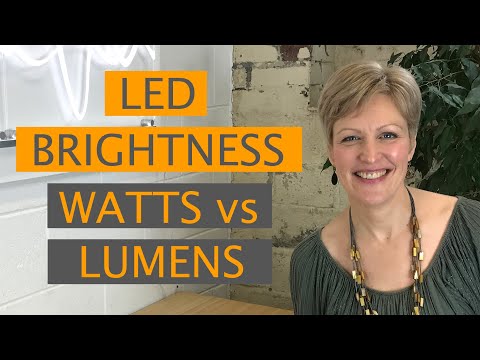
One of the most important concepts to grasp when shopping for a 40 watt LED replacement is the difference between lumens and watts. Watts measure the amount of energy a bulb consumes, while lumens measure the actual amount of visible light produced. A traditional 40-watt incandescent bulb produces about 450 lumens. When you buy a 40W equivalent LED bulb, you are buying a bulb that delivers approximately 450 lumens while using far less power. This distinction is critical because it means you can choose bulbs based on brightness needs rather than outdated wattage assumptions.
Best Applications for a 40 Watt LED Bulb
The versatility of a 40 watt LED bulb makes it suitable for a wide variety of settings and use cases. Here are the most common and effective applications:
- Bedroom Lamps: The 450-lumen output provides a comfortable, warm glow ideal for reading and relaxing before sleep. Choose a bulb with a color temperature of 2700K to 3000K for a cozy atmosphere.
- Living Room Table Lamps: A 40W equivalent LED bulb serves as a perfect accent or secondary light source in living rooms, complementing overhead fixtures without overpowering the space.
- Bathroom Vanity Lights: LED bulbs with high color rendering index (CRI) ratings above 80 ensure accurate color representation, which is essential for grooming and makeup application.
- Closet and Pantry Lighting: Because these bulbs run cool and last for years, they are excellent choices for enclosed fixtures in hall closets and pantries where heat buildup can be a problem.
- Desk and Task Lighting: For home offices and study areas, a 40 watt LED bulb with a slightly higher color temperature (3500K to 4000K) can promote focus and reduce eye strain during detailed work.
- Pendant and Chandelier Fixtures: Many decorative LED bulbs in the 40W equivalent range come in attractive filament designs that add an aesthetic touch to open-ceiling fixtures.
Features to Look For When Buying a 40 Watt LED Bulb
Not all 40W LED lighting products are created equal. When shopping for the best bulb for your needs, pay close attention to the following specifications:
- Color Temperature (Kelvin): Bulbs are available in warm white (2700K–3000K), neutral white (3500K–4000K), and cool white (5000K–6500K). Warm white is the most popular choice for residential use because it mimics the cozy glow of traditional incandescent lighting.
- Color Rendering Index (CRI): A CRI of 80 or above is recommended for general home use. A CRI of 90 or above is ideal for areas where color accuracy matters, such as kitchens and dressing rooms.
- Dimmability: Not all LED bulbs are dimmable. If you plan to use a 40 watt LED bulb with a dimmer switch, check the packaging explicitly for dimmable certification and ensure compatibility with your existing dimmer model.
- Beam Angle: A wider beam angle (120 degrees or more) spreads light across a larger area, while a narrower angle (60 degrees) creates a more focused pool of light. The choice depends on whether you need ambient or directional illumination.
- Certifications and Standards: Look for Energy Star certification, DLC listing, or ETL/UL safety certifications. These labels confirm that the bulb meets rigorous standards for performance, efficiency, and safety.
- Warranty: Reputable manufacturers often offer warranties of 3 to 5 years on their LED bulbs 40W equivalent products. A longer warranty signals confidence in the bulb’s build quality and longevity.
Expert Tips for Maximizing the Life of Your 40 Watt LED Bulb
Even though a 40 watt LED bulb is designed to last for years, a few practical habits can help you get the most out of your investment:
- Avoid installing LED bulbs in fully enclosed fixtures unless the product is specifically rated for enclosed fixtures. Trapped heat can degrade the driver and shorten the bulb’s lifespan.
- Use bulbs with compatible dimmer switches. Incompatible dimmers can cause flickering, buzzing, or premature failure.
- Clean the bulbs periodically. Dust accumulation on the LED heat sink can reduce heat dissipation and slightly dim the light output over time.
- Buy from reputable brands and authorized retailers. Counterfeit or no-name LED bulbs often use inferior components that fail far earlier than their rated lifespan.
- Consider smart LED bulbs if you want remote control, scheduling, and color-changing capabilities. Many smart bulbs now come in the 40W equivalent brightness class, giving you full control through a smartphone app or voice assistant.
FAQs About 40 Watt LED Bulbs
Can I use a 40 watt LED bulb in any fixture rated for 40 watts?

Yes. A 40 watt LED bulb consumes only about 4 to 6 watts of actual power, which is far below the 40-watt rating of the fixture. The fixture rating refers to the maximum heat generated by a traditional incandescent bulb. Since LEDs produce minimal heat, they are safe to use in any fixture rated for 40 watts or higher.
What is the actual wattage of a 40 watt equivalent LED bulb?
Most 40W equivalent LED bulbs draw between 4 and 6 watts of electricity while producing approximately 450 lumens of brightness. This is the primary reason they are so energy efficient compared to traditional incandescent alternatives.
How long does a 40 watt LED bulb typically last?
High-quality LED bulbs 40W equivalent have an average rated lifespan of 15,000 to 25,000 hours. If you use the bulb for approximately 3 hours per day, it can last anywhere from 13 to 22 years before needing replacement.
Are all 40 watt LED bulbs dimmable?
No, not all models are dimmable. Always check the product packaging or specifications to confirm dimmable support. Additionally, you need a compatible LED dimmer switch in your fixture. Using a non-dimmable LED bulb on a dimmer circuit can cause flickering or damage to the bulb.
Do 40 watt LED bulbs emit UV radiation?
Quality 40 watt LED bulbs emit negligible amounts of ultraviolet radiation. Unlike some fluorescent bulbs, LEDs do not produce meaningful UV output, making them safe for use in bedrooms, living spaces, and around sensitive materials such as artwork and fabric.
Conclusion
The 40 watt LED bulb represents one of the smartest, most cost-effective upgrades you can make in any home or commercial space. With exceptional energy efficiency, a lifespan measured in decades rather than months, and a brightness output that matches or exceeds traditional incandescent lighting, there is simply no reason to stick with outdated bulb technology. Whether you are outfitting a new space, replacing aging fixtures, or just looking to cut down on electricity costs, choosing a high-quality 40W LED lighting solution delivers immediate and long-lasting value. Pay attention to color temperature, CRI, dimmability, and certifications when making your selection, and you will enjoy better light quality and lower energy bills for years to come.