


Lighting choices shape the atmosphere, productivity, and even the mood of any space. Among the many specifications that define a bulb’s performance, color temperature stands out as one of the most impactful yet frequently misunderstood details. A 3000 Kelvin LED light bulb has quietly become one of the most sought-after options in modern lighting, striking a balance between the warm glow of traditional incandescent bulbs and the crisp clarity of cooler daylight alternatives. Whether you are renovating a living room, upgrading a restaurant’s interior, or simply replacing aging fixtures in your home office, understanding what a 3000K LED bulb brings to the table can transform the way you think about illumination. This guide dives deep into everything you need to know about 3000 Kelvin lighting — from the science behind the color temperature to practical buying advice that goes well beyond generic recommendations.
What Are 3000 Kelvin LED Light Bulbs?
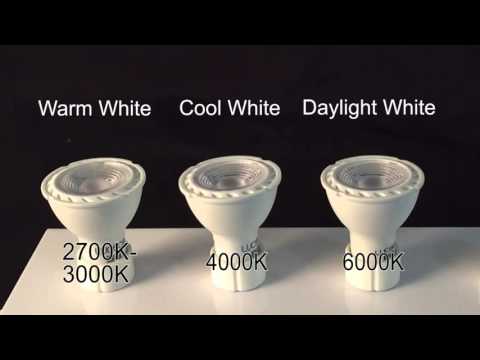
A 3000 Kelvin LED light bulb emits a warm white light that sits comfortably between the golden hue of a 2700K bulb and the neutral tone of a 4000K bulb. In simpler terms, 3000K produces a soft, inviting warmth without feeling overly yellow or orange. The Kelvin scale measures the color appearance of light, ranging from warm amber tones at lower numbers to cool, bluish daylight at higher numbers. LED technology allows manufacturers to engineer this specific warmth with remarkable precision, giving consumers a lighting option that feels both modern and cozy. Unlike older incandescent bulbs that relied on heating a filament to produce light, LED bulbs at 3000K use semiconductor diodes to generate illumination with a tailored spectral output that mimics the aesthetic warmth people naturally associate with comfort and relaxation.
Why 3000K Has Become the Go-To Color Temperature

The rise in popularity of 3000 Kelvin LED bulbs is not accidental. Interior designers, architects, and lighting professionals increasingly specify warm white LEDs because they complement a wide range of color palettes, furniture styles, and architectural finishes. The warm white tone enhances wood grains, flatters skin, and makes earthy and neutral decorative elements feel richer without overwhelming the space. Beyond aesthetics, research from lighting science suggests that warm white light in the 2700K to 3000K range supports melatonin production and helps regulate circadian rhythms, making 3000K bulbs a favorite choice for bedrooms, dining areas, and living rooms where relaxation is a priority. Unlike harsh cool white lighting, which can feel sterile after prolonged exposure, 3000K LEDs deliver enough clarity to keep you alert while maintaining a soothing visual environment.
The Science of Warm White Lighting
Color temperature is measured in degrees Kelvin (K) and corresponds to the color of light emitted by a theoretical black-body radiator heated to that temperature. At 3000K, the peak spectral output falls within the warm amber-to-white range, producing light that the human eye perceives as cozy and familiar. LED manufacturers achieve this by combining blue LED chip emissions with phosphor coatings that convert part of the blue light into longer wavelengths, creating a smooth, warm spectral distribution. The result is a bulb that feels warmer than daylight-spectrum LEDs but cleaner and more energy efficient than a traditional incandescent bulb, which typically operates around 2700K but wastes a significant amount of energy as heat.
Best Applications for 3000K LED Light Bulbs
The versatility of 3000K warm white LEDs makes them suitable for an impressive range of environments. Below are some of the most common and effective applications where these bulbs truly shine.
Residential Living Spaces
Living rooms, dining rooms, and bedrooms benefit enormously from the inviting glow of 3000K LED bulbs. The warm tone creates an atmosphere that feels relaxed and welcoming, perfect for evening entertaining, family gatherings, or winding down before bed. Homeowners who want to create a layered lighting design often use 3000K bulbs in pendant lights, table lamps, and wall sconces to establish a consistent warm base throughout the room.
- Bedroom bedside lamps for a restful nighttime atmosphere
- Living room floor lamps and chandeliers for ambient warmth
- Dining room fixtures where food and conversation take center stage
- Hallways and entryways to greet guests with a comfortable glow
Commercial and Hospitality Settings
Restaurants, boutique hotels, and retail stores frequently adopt 3000K LED lighting because it flatters merchandise, enhances dining experiences, and creates a premium brand atmosphere. Hotels often use warm white LEDs in lobbies and guest rooms to signal comfort and luxury. Restaurants rely on 3000K illumination to make food look appetizing while keeping diners comfortable during extended visits. The color rendering properties of quality 3000K LEDs also ensure that fabrics, artwork, and architectural details appear true to life under artificial light.
3000K vs Other Color Temperatures: A Comparison Table
| Color Temperature | Light Appearance | Best For | Mood Effect |
| 2700K | Warm amber, very cozy | Traditional living rooms, vintage decor | Highly relaxing, intimate |
| 3000K | Warm white, balanced warmth | Modern homes, restaurants, hospitality | Comfortable and inviting |
| 3500K | Neutral warm | Bathrooms, grooming areas | Balanced and refreshing |
| 4000K | Cool white, crisp | Home offices, kitchens, retail | Alert and productive |
| 5000K+ | Daylight, blue-white | Industrial, task-heavy environments | Energetic and clinical |
As the comparison table illustrates, 3000K occupies a unique sweet spot. It is warmer enough to feel friendly and relaxing yet neutral enough to remain visually clear. Many consumers who initially experiment with cooler 4000K or 5000K LEDs eventually gravitate back to 3000K because it strikes the ideal balance for everyday living environments where both task performance and ambient comfort matter.
Key Features to Look for in 3000K LED Light Bulbs
Not all 3000K LED bulbs are created equal. When shopping, paying attention to a few technical specifications ensures you get the best performance for your investment.
- CRI (Color Rendering Index): Look for a CRI of 90 or above. A high CRI means colors appear natural and vivid under the bulb, which is especially important in kitchens, retail spaces, and art-display areas.
- Lumens, Not Watts: Modern LEDs produce far more light per watt than older technologies. For general ambient lighting, 400 to 800 lumens typically suffices for a standard room, while task lighting may require 1000 lumens or more.
- Dimmability: If you plan to use the bulbs with dimmer switches, verify that the bulb is specifically dimmable. Not all LED bulbs support dimming, and incompatibility can cause flickering or buzzing.
- Beam Angle: Narrow beam angles focus light for accent and task applications, while wider angles distribute light more evenly for ambient purposes.
- Lifespan Ratings: Quality 3000K LEDs often last between 15,000 and 50,000 hours, significantly outlasting traditional bulbs and reducing replacement costs over time.
Expert Tips for Choosing and Using 3000K LEDs
Match the bulb to the room function. Even within a single home, you might use 3000K in the living room and 4000K in the kitchen. This approach allows each space to serve its primary purpose without creating a jarring visual shift as you move from room to room.
Pay attention to the dimmer compatibility. Many homeowners install 3000K LEDs and then complain about flickering, only to discover that the dimmer switch was designed for incandescent loads. Leading-edge and trailing-edge dimmers behave differently with LED circuitry, so matching the bulb to the correct dimmer type ensures smooth, flicker-free performance.
Consider the shape and size of the fixture. A bulb that looks beautiful in a large chandelier may look entirely wrong in a compact pendant shade. Pay attention to the bulb dimensions, especially the diameter and length, to ensure a clean, polished appearance.
Buy in matching sets for multi-bulb fixtures. Even bulbs from the same 3000K product line can vary slightly in hue. Purchasing bulbs from the same batch or buying them as a set ensures a consistent warm white tone across all fixtures in a room.
Frequently Asked Questions About 3000K LED Light Bulbs
Is 3000K LED light too yellow for a modern interior?
Not at all. 3000K is considered warm white, not yellow. It offers a modern, sophisticated warmth that complements contemporary interiors beautifully. The slight amber undertone enhances textures and materials without looking dated or overly warm, which is why so many interior designers specify 3000K for minimalist, Scandinavian, and transitional design styles.
Can I use 3000K LED bulbs in my kitchen and bathroom?
Yes, but with a small caveat. For kitchen task lighting where you need to see food preparation details clearly, many homeowners prefer 3500K or 4000K for a crisper light. However, 3000K works wonderfully for kitchen ambient lighting, dining nooks, and bathroom vanity lighting where a warm, flattering glow is desired. Consider mixing temperatures within the same room for layered lighting design.
Do 3000K LED bulbs affect sleep quality?
Research suggests that warm white light in the 2700K to 3000K range has a less disruptive effect on melatonin production compared to cooler blue-rich light sources. Using 3000K bulbs in the evening in bedrooms and living rooms is generally considered a better choice for sleep hygiene than using 4000K or higher color temperatures close to bedtime.
Are 3000K LED bulbs more expensive than other options?
The price difference between a 3000K LED and a 4000K or 5000K LED from the same brand and quality tier is typically negligible. Most of the price variation in LED bulbs comes from features like dimmability, smart connectivity, CRI rating, and build quality rather than color temperature alone. Shopping for value rather than chasing the cheapest option ensures you get a reliable 3000K bulb that lasts.
What is the difference between 3000K and 2700K LED bulbs?
The difference is subtle but noticeable. A 2700K bulb produces a deeper amber warmth reminiscent of classic incandescent lighting, while a 3000K bulb appears slightly cleaner and more neutral with just a touch of warmth. If your space currently uses incandescent bulbs and you want the closest modern LED equivalent, 2700K is the traditional match. If you prefer a slightly more contemporary feel that still feels cozy, 3000K is the ideal choice.
Conclusion
The 3000 Kelvin LED light bulb represents one of the most thoughtfully engineered solutions in modern lighting. It bridges the gap between nostalgic warmth and contemporary efficiency, delivering an ambiance that elevates interiors while keeping energy consumption low and bulb longevity high. Whether you are designing a new home, upgrading existing fixtures, or simply replacing burned-out bulbs with a better alternative, 3000K warm white LEDs offer a versatile, reliable, and aesthetically pleasing choice that works across a remarkably wide range of settings. By understanding color temperature, prioritizing quality features like CRI and dimmability, and matching bulbs to their intended environments, you can transform any space into a welcoming, beautifully lit environment that feels effortless and intentional.