


If you have been researching automotive lighting upgrades, you have likely come across the 1156 LED bulb — and for good reason. These compact, high-performance bulbs have become a go-to replacement for drivers who want brighter, more energy-efficient lighting without the hassle of complex installations. Whether you are looking to upgrade your brake lights, turn signals, reverse lights, or running lights, the 1156 wedge base LED offers a practical, plug-and-play solution that delivers dramatic improvements in visibility and style.
In this comprehensive guide, we will break down everything you need to know about 1156 LED bulbs, from technical specifications and compatibility to installation tips, top product recommendations, and answers to the most frequently asked questions. By the end, you will have a clear understanding of why these bulbs are a favorite among car enthusiasts and everyday drivers alike.
What Are 1156 LED Bulbs?
The 1156 LED bulb is a single-filament, wedge-base light bulb originally designed for use in automotive applications. The number “1156” refers to the specific SAE (Society of Automotive Engineers) designation that identifies its physical and electrical characteristics. These bulbs feature a P27/7-2 base — a wedge-style plug that snaps directly into the socket without any wiring modifications.
When you convert a traditional incandescent 1156 bulb to an LED equivalent, you gain access to several significant advantages, including dramatically increased luminous output, reduced power draw, and a much longer operational lifespan. Most 1156 LED replacements produce between 600 and 1,200 lumens while drawing only 6 to 15 watts of power, compared to the roughly 25 watts consumed by a standard incandescent version.
Key Features and Specifications of 1156 LED Bulbs
Understanding the technical details of 1156 wedge base LED bulbs helps you make informed purchasing decisions. Here are the most important specifications to consider:
- Base Type: P27/7-2 wedge base (also known as BA15d in some international designations)
- Voltage: 12V DC (standard automotive electrical system)
- Lumens: Typically 600–1,200 lm depending on the LED chip configuration
- Wattage: 6W to 15W per bulb
- Color Temperature: Available in warm white (3000K), pure white (4300K), and cool white (6000K)
- Beam Pattern: Omnidirectional (360-degree light spread)
- Lifespan: Approximately 30,000 to 50,000 hours
- Compatibility: Brake lights, tail lights, turn signals, reverse lights, and dashboard indicators
Voltage and Wattage Details
One of the biggest advantages of 1156 LED bulbs is their minimal power consumption. Because they draw so little current, they put less strain on your vehicle’s electrical system and reduce the load on your alternator. This is especially beneficial for drivers of trucks, SUVs, and classic cars where every watt matters. The 12V operating voltage ensures seamless compatibility with virtually all passenger vehicles, motorcycles, and marine vessels that use a 1156 socket.
1156 LED Bulbs vs. 1157 LED Bulbs: What’s the Difference?
One of the most common points of confusion in the automotive lighting world is the difference between 1156 and 1157 LED bulbs. While they share the same wedge base and physical socket, the two are not interchangeable in every application. Here is a side-by-side comparison to clarify:
| Feature | 1156 LED Bulb | 1157 LED Bulb |
| Filament Configuration | Single filament | Dual filament |
| Functions Supported | Brake OR tail/turn signal | Brake + tail/turn signal simultaneously |
| Lumens (Typical LED) | 600–1,200 lm | 600–1,200 lm per filament |
| Base Type | P27/7-2 wedge | P27/7-2 wedge |
| Common Application | Single-function light | Dual-function brake/tail light |
| Swap Compatibility | May not work in dual-filament sockets | Works in most 1156 sockets |
The key takeaway is that an 1156 bulb controls one function (either brake or running), while an 1157 bulb controls both simultaneously using its dual filaments. Always verify your vehicle’s wiring and socket requirements before purchasing.
Best 1156 LED Bulbs for Your Vehicle
Not all 1156 LED replacements are created equal. The market is flooded with options ranging from budget-friendly alternatives to premium-grade units with advanced thermal management. Here are the top categories to consider when shopping:
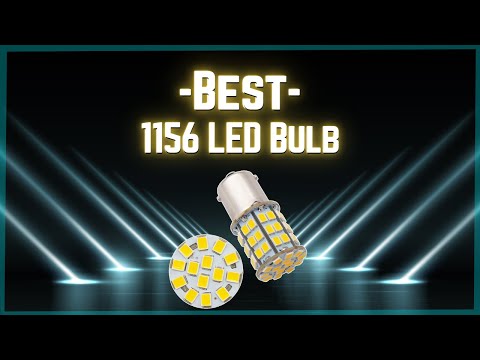
- Plug-and-Play Direct Replacements — These bulbs feature a compact design that fits seamlessly into existing 1156 sockets without any modifications. They are ideal for daily drivers and OEM-style upgrades.
- High-Lumen Performance Bulbs — If maximum brightness is your priority, look for 1156 LED bulbs rated at 1,000 lumens or higher. These units use multiple LED chips arranged in a focused array for intense, forward-facing light output.
- CANBUS-Compatible LED Bulbs — Many modern vehicles with onboard computer systems will throw error codes when a standard LED bulb is installed. CANBUS-compatible 1156 bulbs include built-in resistors or decoders that prevent hyperflashing and dashboard warning lights.
- Fan-Cooled and Aluminum-Housed Models — For extreme performance and durability, these bulbs feature integrated cooling fans and aluminum heat sinks that dissipate heat efficiently, extending LED lifespan significantly.
Top Picks by Category
When selecting the best 1156 wedge base LED bulb, consider your primary use case. Daily commuter vehicles benefit from reliable, CANBUS-ready units with a clean aesthetic. Off-road enthusiasts and truck owners often prefer high-lumen models with aggressive beam patterns. Classic car restorers should look for bulbs that maintain an authentic warm-white glow while delivering modern LED efficiency.
How to Install 1156 LED Bulbs
Installing a 1156 LED bulb is one of the simplest automotive upgrades you can perform. Most vehicles allow you to complete the swap in under ten minutes per bulb. Follow these steps for a smooth installation:

- Turn off the vehicle and allow the existing bulb to cool completely.
- Locate the 1156 socket, which is typically found in the tail light assembly, brake light housing, or rear reflector area.
- Gently pull the socket connector straight out from the back of the housing.
- Press the locking tab or twist the old bulb counterclockwise to release it from the socket.
- Insert the new 1156 LED bulb, ensuring the base aligns properly with the socket contacts.
- Push the bulb firmly until the locking tab clicks into place.
- Reconnect the socket assembly and test all functions — brake lights, turn signals, and tail lights.
Expert Tip: If your vehicle experiences hyperflashing after installation, you may need to install a load resistor or switch to a CANBUS-compatible model. This is especially common when upgrading turn signal bulbs to LED.
Benefits of Upgrading to 1156 LED Bulbs
The decision to upgrade your vehicle’s lighting with 1156 LED bulbs pays dividends in several important areas:
- Superior Visibility: LED technology produces a crisp, white beam that closely mimics daylight, making it significantly easier for other drivers to see your vehicle in low-light conditions.
- Instant Illumination: Unlike halogen bulbs that require a warm-up period, LEDs reach full brightness the instant you activate the switch.
- Energy Efficiency: LED bulbs consume up to 80% less power than traditional incandescent filaments, contributing to fuel savings over time.
- Durability: With no fragile filament to break, 1156 LED bulbs resist vibrations, shocks, and temperature fluctuations far better than conventional bulbs.
- Long Lifespan: A quality 1156 LED bulb can last 30,000 hours or more, meaning you may never need to replace it again during your ownership of the vehicle.
- Aesthetic Appeal: The clean, modern look of LED lighting gives your vehicle a refreshed, upgraded appearance that is immediately noticeable.
Common Issues and Troubleshooting Tips
While 1156 LED bulb installations are generally straightforward, a few common issues can arise. Here is how to address them:
- Error Messages on the Dashboard: This occurs when the vehicle’s CANBUS system detects low power draw from the LED bulb. Switching to a CANBUS-compatible bulb or adding a decoder resistor resolves this.
- Hyperflashing Turn Signals: The vehicle’s flasher relay interprets the low current draw as a burned-out bulb. A load resistor wired in parallel with the bulb corrects this issue.
- Flickering or Intermittent Operation: Poor contact between the LED base and the socket is usually the culprit. Clean the socket contacts with electrical contact cleaner and ensure the bulb is fully seated.
- Heat Sensitivity: Some budget LED bulbs lack adequate heat dissipation, leading to premature dimming or failure. Investing in a quality model with proper thermal design prevents this problem.
Frequently Asked Questions (FAQs)
Can I use a 1156 LED bulb in a 1157 socket?
Yes, in most cases. Since the 1156 bulb is a single-filament version, it can physically fit into a 1157 socket. However, the 1157 socket is designed for dual-filament operation, so your 1156 LED bulb will only activate one function at a time — typically the brake light or the running light, depending on how the vehicle’s wiring is configured.
Are 1156 LED bulbs legal for road use?
In most jurisdictions, replacing an incandescent bulb with an LED equivalent of equal or lower wattage is perfectly legal. However, always check your local regulations, as some regions have specific requirements regarding bulb color, brightness, and certification standards for brake and signal lights.
Do 1156 LED bulbs require any special wiring?

No. The vast majority of 1156 wedge base LED bulbs are true plug-and-play replacements. You simply remove the old bulb and insert the new one. The only exception is when CANBUS compatibility or hyperflashing issues arise, in which case a load resistor or CANBUS decoder may be needed.
What is the average lifespan of a 1156 LED bulb?
A quality 1156 LED bulb typically lasts between 30,000 and 50,000 hours of operation. This translates to roughly 10 to 15 years of daily driving, making LED bulbs a near-lifetime replacement for most vehicle lighting applications.
Why is my 1156 LED bulb dimmer than the original halogen?
This can happen if the LED bulb is not fully seated in the socket or if the vehicle’s voltage regulator is outputting lower-than-normal voltage. Additionally, some low-quality LED bulbs use inferior chips that produce less light. Choosing a reputable brand with high-quality LED chips ensures optimal brightness.
Can I use a 1156 LED bulb for off-road or auxiliary lighting?
The 1156 form factor is primarily designed for factory-installed automotive sockets. For off-road auxiliary lighting, you would typically need different bulb types or dedicated LED light bars. However, 1156 LED bulbs work excellently for upgrading existing vehicle positions such as fog light housings, backup lights, and side marker lights.
Conclusion
The 1156 LED bulb represents one of the most practical and impactful upgrades you can make to your vehicle’s lighting system. From improved road safety and energy efficiency to long-term durability and aesthetic appeal, the benefits are clear and compelling. Whether you are a weekend DIY mechanic or a seasoned automotive enthusiast, swapping out your aging incandescent 1156 bulbs for modern LED equivalents is a decision you will not regret. Choose a high-quality, compatible model that fits your vehicle and your driving needs, and enjoy the difference that professional-grade LED lighting makes every time you hit the road.