


When it comes to illuminating flagpoles at night, solar-powered solutions have transformed the way homeowners, municipal planners, and facility managers approach outdoor lighting. A flagpole light solar unit captures the sun’s energy during the day and automatically activates after dusk, casting a clean, focused beam upward to highlight your flag, building, or monument. Unlike hardwired alternatives, these self-contained systems require zero electrical wiring, no ongoing utility costs, and minimal maintenance. Whether you are retrofitting an existing aluminum or fiberglass pole or designing a new installation from scratch, understanding the technology, features, and best practices behind solar flagpole lighting is essential to making a smart, long-lasting investment.
What Is a Solar Flagpole Light?
A solar flagpole light is a compact, self-contained lighting fixture designed to mount directly onto a flagpole or its bracket. It typically integrates a small photovoltaic panel, a rechargeable battery (usually lithium-ion or LiFePO4), LED emitters, and a light sensor or programmable controller inside a single weatherproof housing. The device charges throughout the day and switches on automatically at twilight, providing consistent illumination from sunset until dawn or until the battery depletes. Most models are built to withstand rain, snow, UV exposure, and temperature swings ranging from -20°F to 140°F, making them suitable for both residential driveways and commercial properties.
How Solar Flagpole Lights Work
The operation of a solar-powered flagpole light follows a straightforward but well-engineered process. During daylight hours, the integrated monocrystalline or polycrystalline solar panel converts sunlight into direct current (DC) electricity. This energy flows through a charge controller, which regulates voltage and prevents overcharging, then stores the power in the internal lithium battery bank. As ambient light levels drop below a set threshold — typically around 10 to 15 lux — a photoelectric sensor triggers the LED array to illuminate. Some advanced models allow manual override via a remote control or smartphone app, letting you adjust brightness, set timers, or schedule off-peak dimming modes.
Core Components Breakdown
- Photovoltaic Panel: Usually a small monocrystalline panel rated between 1W and 5W, depending on the model.
- Rechargeable Battery: Lithium-ion or LiFePO4 cells with capacities ranging from 1,000mAh to 5,000mAh.
- LED Chip Array: High-efficiency SMD LEDs producing between 50 and 300 lumens, often with a 3000K to 6500K color temperature range.
- Photoelectric Sensor: Detects ambient light changes to trigger automatic on/off cycling.
- Housing and Mounting Bracket: Die-cast aluminum or ABS polymer casing with an IP65 or IP67 waterproof rating.
Key Benefits of Solar Flagpole Lighting

Switching to a flagpole light solar system offers advantages that extend far beyond simply avoiding an electrician. These benefits make solar-powered options increasingly popular across residential, commercial, and government sectors.
- Zero Electricity Costs: Once installed, the unit runs entirely on free solar energy. There is no impact on your monthly utility bill, ever.
- Easy Installation: No trenching, no conduit, no electrical permits in most jurisdictions. Mount the light, position the solar panel toward the sun, and you are done.
- Environmentally Friendly: Solar flagpole lights produce no carbon emissions during operation, aligning with green building standards and LEED certification goals.
- Low Maintenance: Quality units with sealed batteries and coated LED chips can last 5 to 10 years with only occasional cleaning of the solar panel surface.
- Enhanced Safety and Security: A well-lit flagpole improves visibility around entrances, parking lots, and public spaces, deterring unauthorized activity.
- Code Compliance: Many solar flagpole lights meet IESNA (Illuminating Engineering Society) standards for flag illumination intensity, ensuring your installation passes municipal inspection.
How to Choose the Right Solar Flagpole Light
Selecting the ideal solar flagpole light kit depends on several technical and environmental factors. Making the right choice upfront saves time, money, and frustration down the road.
Solar Panel Type and Efficiency
Monocrystalline silicon panels deliver the highest conversion efficiency — typically 18% to 22% — and perform better in low-light or partially shaded conditions compared to polycrystalline alternatives. For flagpole applications where space is limited, a high-efficiency monocrystalline panel is the clear winner. Look for panels with an anti-reflective coating to maximize energy capture even on overcast days.
Battery Capacity and Runtime
Battery capacity determines how long your light stays on after dark. A unit with a 2,000mAh battery will typically provide 8 to 12 hours of illumination at medium brightness, while a 5,000mAh model can push that to 15 to 20 hours. For regions with short winter days or frequent cloud cover, prioritize larger battery capacity and high-capacity solar panels to ensure reliable nightly operation. LiFePO4 batteries are the best choice for longevity and thermal stability, offering 2,000 to 5,000 charge cycles compared to 500 to 1,000 cycles for standard lithium-ion.
Weather Resistance and Durability
Your flagpole light will face rain, hail, extreme heat, and freezing temperatures every season. Always verify that the unit carries an IP65 or IP67 ingress protection rating. IP65 means it is protected against low-pressure water jets and dust, while IP67 guarantees temporary submersion resistance. The housing material also matters — die-cast aluminum offers superior heat dissipation and corrosion resistance compared to plastic enclosures.
Top Features to Look For

| Feature | What to Look For | Why It Matters |
| Solar Panel Wattage | 2W to 5W minimum | Higher wattage ensures faster charging and longer runtime |
| Battery Chemistry | LiFePO4 preferred | Superior cycle life and thermal safety |
| LED Lumens | 100 to 300 lumens | Determines flag visibility at distance |
| Color Temperature | 4000K to 6500K | Cooler tones improve flag visibility and modern aesthetics |
| IP Rating | IP65 or IP67 | Guarantees all-weather durability |
| Mounting Compatibility | Adjustable bracket for 1.5″ to 2″ poles | Ensures secure fit on standard and oversized poles |
| Smart Controls | App connectivity or dusk-to-dawn sensor | Enables customization and remote diagnostics |
Installation Tips for Solar Flagpole Lights
Proper installation is the single most important factor in getting consistent, reliable performance from your solar flagpole light. Follow these practical steps to ensure optimal results.
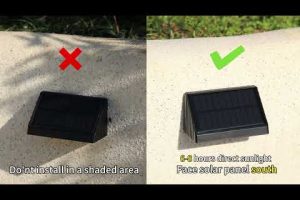
- Position the Solar Panel Toward True South (Northern Hemisphere): This maximizes daily sun exposure. Even a 15-degree deviation can reduce charging efficiency by 10% to 20%.
- Clean the Solar Panel Monthly: Dust, pollen, bird droppings, and tree sap accumulate on the panel surface and can significantly reduce energy absorption. A soft damp cloth is all you need.
- Secure the Bracket Firmly: Use the included stainless-steel hardware and tighten all fasteners. A loose mount causes vibration during wind events, which can damage internal wiring over time.
- Adjust the Light Angle: Point the LED array upward at roughly a 45-degree angle from the flagpole for the most even wash across the flag surface.
- Test at Twilight: After installation, verify that the photoelectric sensor triggers the light within 5 to 10 minutes of sunset. If it does not, check for obstructions casting shadows on the sensor.
- Avoid Nearby Light Pollution: Streetlights or adjacent building lights can interfere with the photoelectric sensor, causing the unit to stay off prematurely. Reposition if necessary.
Solar Flagpole Light vs. Traditional Flagpole Lighting
For decades, the standard approach to flagpole illumination involved hardwired LED fixtures powered by the building’s electrical system. While these traditional setups deliver consistent brightness, they come with significant drawbacks — installation costs, wiring complexity, ongoing electricity consumption, and vulnerability to power outages. Solar flagpole lights eliminate every one of these pain points.
| Factor | Solar Flagpole Light | Traditional Wired Light |
| Installation Cost | Low — no electrician required | Moderate to high — licensed electrician needed |
| Operating Cost | $0 per year | $20 to $60 per year (electricity) |
| Installation Time | 15 to 30 minutes | Several hours including permits |
| Power Outage Resilience | Fully operational | Non-functional during outages |
| Environmental Impact | Zero emissions | Grid-dependent carbon footprint |
| Maintenance Frequency | Low — battery replacement every 3-5 years | Moderate — bulb/driver replacement |
| Initial Brightness | Slightly lower (100-300 lumens) | Higher (200-500+ lumens) |

While traditional wired systems still hold an edge in raw brightness output, modern solar flagpole LEDs have closed the gap considerably. For most residential and small commercial applications, a quality solar unit delivers more than adequate illumination to meet IESNA standards for flag visibility at distances of 50 to 100 feet.
Maintenance and Longevity Tips
A well-maintained solar flagpole light can deliver dependable service for 7 to 10 years. Here is a maintenance routine that extends lifespan and preserves performance:
- Quarterly: Wipe the solar panel clean and inspect the mounting bracket for corrosion or looseness.
- Biannually: Test the photoelectric sensor by covering it with your hand — the light should activate immediately. Replace the unit if it does not respond.
- Annually: Check the battery voltage with a multimeter. A LiFePO4 battery reading below 3.0V per cell after a full day of charging may need replacement.
- After Severe Weather: Inspect for water intrusion, especially around the sealing gasket. Reapply silicone sealant if the gasket shows signs of wear.
Best Practices for Maximizing Solar Flagpole Light Performance
Even the best flagpole light solar unit will underperform if basic environmental factors are ignored. Follow these expert recommendations to extract maximum value from your system.
- Trim Nearby Trees and Shrubs: Any shading on the solar panel, even partial shading during peak sun hours, dramatically reduces charging output.
- Angle the Panel Seasonally: Adjust the tilt angle by 15 degrees from your latitude in winter and level it in summer for optimal sun capture throughout the year.
- Choose Warm-to-Cool White LEDs Based on Purpose: 4000K neutral white provides the best balance of flag visibility and aesthetic appeal for most installations. Reserve 6500K cool white for security-focused applications where maximum contrast is needed.
- Invest in a Spare Battery: Keeping a pre-charged replacement battery on hand means you can swap it out the same day if the original fails, eliminating downtime.
- Purchase from Reputable Brands: Look for manufacturers that offer at least a 2-year warranty and provide UL or ETL certification for their solar flagpole lighting products.
Frequently Asked Questions
How long does a solar flagpole light last on a single charge?
Most quality units deliver 8 to 15 hours of illumination on a full charge, depending on battery capacity and LED brightness settings. Models with larger lithium battery packs and efficient LEDs consistently exceed 12 hours of runtime, even during winter months with reduced daylight hours.
Can a solar flagpole light work on a cloudy day?
Yes. Monocrystalline solar panels still generate electricity under overcast conditions, though at reduced efficiency — typically 10% to 25% of their rated output. Units with smart charge controllers and sufficient battery reserves compensate for cloudy periods by drawing stored energy at a slower rate.
Is it difficult to install a solar flagpole light myself?
Not at all. Most solar flagpole lights come with an adjustable mounting bracket and all necessary hardware. The entire installation process typically takes under 30 minutes and requires no tools beyond a basic wrench or screwdriver. No electrical wiring or permits are needed in the vast majority of residential and commercial settings.
What size solar flagpole light do I need for a 20-foot pole?
For a standard 20-foot residential flagpole, a unit producing 150 to 250 lumens with a 2W to 3W solar panel and a 2,000mAh to 3,000mAh LiFePO4 battery is ideal. This configuration provides bright, even illumination across the full height of the pole and meets most municipal flag display guidelines.
Do solar flagpole lights turn on automatically?
Yes. Virtually all solar flagpole lights feature an integrated photoelectric dusk-to-dawn sensor that automatically activates the LED array when ambient light drops below a preset threshold. Some models also include programmable timers or remote controls for additional flexibility.
Can I use a solar flagpole light in extreme cold climates?
Absolutely. LiFePO4 battery-powered solar flagpole lights are rated to operate in temperatures as low as -20°F (-29°C). The key is ensuring the unit has an IP65 or higher weatherproof rating and that the solar panel is kept clear of snow and ice buildup for consistent charging.
Conclusion
A flagpole light solar system represents one of the smartest investments you can make for your property’s exterior lighting. It combines zero operating costs, effortless installation, reliable nighttime visibility, and genuine environmental responsibility into a single compact package. By understanding the technology, selecting the right features for your specific pole and climate, and following a simple maintenance routine, you can enjoy years of dependable, code-compliant flag illumination without ever touching a power outlet. Whether you are a homeowner wanting to proudly showcase your flag each evening or a facilities manager overseeing a multi-building campus, solar flagpole lighting delivers exceptional value that traditional wired systems simply cannot match.