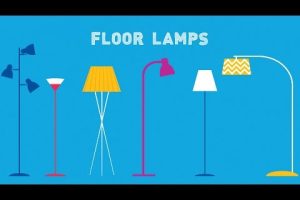



When you walk into a room, the first thing that catches your eye shouldn’t be a boring, boxy piece of furniture—it should be a statement piece that ties the entire space together. Enter the curved floor lamp, a revolutionary approach to interior lighting that blends architectural elegance with everyday functionality. Unlike traditional upright fixtures, these sculptural wonders introduce a fluid, dynamic energy into living spaces, transforming mere utility into an art form. Whether you are redesigning a sprawling modern loft or simply looking to elevate your cozy reading nook, understanding the nuances of this lighting trend is essential. This comprehensive guide dives deep into the world of curved floor lamps, exploring their design variations, placement strategies, and how they can completely redefine your home’s ambient lighting.
The Allure of the Curved Floor Lamp: More Than Just a Light Source
The beauty of a curved floor lamp lies in its ability to solve spatial problems while simultaneously serving as a striking focal point. In interior design, sharp angles and rigid lines can sometimes make a room feel disjointed or overly harsh. A sweeping curve, on the other hand, softens the architecture, guiding the eye smoothly across the space. From a functional standpoint, the arched design allows for versatile light distribution. Instead of casting light in a single downward beam, the curvature directs illumination outward and upward, bouncing light off walls and ceilings. This creates a warm, ambient glow that fills the room naturally, reducing the need for harsh, direct spotlights. For homeowners seeking ergonomic lighting solutions, this diffused approach is a game-changer, minimizing eye strain while reading or relaxing.
Curved Floor Lamp vs. Arc Floor Lamp: Understanding the Difference
While often used interchangeably, it is crucial to distinguish between a curved floor lamp and an arc floor lamp to make an informed purchase. An arc floor lamp features a dramatic, sweeping horizontal arc that extends over a sofa or bed, functioning primarily as a room divider or a source of overhead ambient light. A curved floor lamp, conversely, maintains a more grounded, vertical-to-horizontal flow. It starts at the base, curves gracefully through the midsection, and often directs light downward or at an angle. Think of the arc as a bridge, while the curved lamp is a gentle wave. Both offer sculptural appeal, but the curved variant is generally more versatile for smaller rooms or targeted task lighting, whereas the arc is designed for bold, statement-making overtures.
Design Styles: Finding the Perfect Curved Standing Lamp for Your Space
The aesthetic versatility of curved standing lamps means there is truly a style to match every interior design philosophy. Choosing the right design requires understanding how different curves interact with your existing furniture and decor.
Modern Minimalist Curved Lighting
For those who embrace the “less is more” philosophy, modern minimalist curved lighting provides clean, uncluttered lines that speak to contemporary sensibilities. These designs typically feature slender stems, smooth metallic finishes like brushed steel or matte black, and simple, geometric curves. They do not compete for attention; instead, they quietly enhance the room’s negative space. Pairing a sleek curved floor lamp with a minimalist Scandinavian sofa or a monochromatic living room creates a cohesive, serene environment that feels both open and sophisticated.
Sculptural and Artistic Arcs
On the bolder end of the spectrum, sculptural curved floor lamps serve as standalone art pieces. Inspired by mid-century modernism or abstract expressionism, these fixtures feature exaggerated, almost organic curves that twist and turn in unexpected ways. Materials like wrought iron, polished brass, or hand-blown glass are common in this category. A sculptural curved standing lamp is not just a lighting solution; it is the centerpiece of the room. It draws the eye upward, encouraging guests to admire the craftsmanship while providing a warm, inviting glow that invites conversation and relaxation.
Vintage and Retro Inspirations
Nostalgia plays a significant role in current lighting trends, and vintage-inspired curved floor lamps are experiencing a massive resurgence. Drawing from the glamour of the 1940s and the warm tones of the 1970s, these designs feature softer, rounded curves often paired with warm woods, frosted glass shades, and brass accents. The curved silhouette in a retro lamp evokes a sense of comfort and timeless elegance, making it ideal for bohemian or eclectic interiors where layering textures and eras is the name of the game.
How to Choose the Right Curved Standing Lamp for Your Room

Selecting the perfect lighting fixture involves more than just picking the prettiest design. It requires a practical understanding of scale, materials, and lighting technology to ensure your curved floor lamp integrates seamlessly into your lifestyle.
Room Size and Lamp Scale
Proportion is the secret sauce of interior design, and it applies directly to your lighting choices. A massive, sweeping curve will overwhelm a tiny apartment, while a dainty, short arc will get lost in a sprawling great room. To find the right scale, measure the height of your primary seating area. The light source on a curved standing lamp should ideally sit at eye level when you are seated, providing optimal task lighting without causing glare. For standard eight-foot ceilings, a lamp height of six to seven feet is generally the sweet spot. If you have higher ceilings, do not hesitate to go taller to maintain visual balance.
Material and Finish Choices
The material of your curved standing lamp dictates its durability, light diffusion, and overall aesthetic. Metal lamps—whether brass, chrome, or matte black—are incredibly durable and offer a modern, industrial edge. They reflect light beautifully, amplifying the brightness of the room. Wooden curves, on the other hand, introduce warmth and organic texture, making them perfect for rustic or Japandi-style interiors. Fabric and frosted glass shades soften the light output, creating a gentle, diffused ambient lighting that is easy on the eyes. When selecting a finish, consider the other metals in your room—like door handles or coffee table legs—to ensure a cohesive look.
Bulb and Brightness Considerations
Even the most beautifully designed curved floor lamp is useless if the bulb is wrong. For ambient living room lighting, warm white bulbs (2700K to 3000K) are the gold standard, creating a cozy atmosphere that encourages relaxation. If your curved standing lamp is intended for reading or working, opt for a cooler, brighter bulb (3500K to 4000K) and ensure the lamp shade or design allows the light to flow unobstructed. Always choose LED bulbs for longevity and energy efficiency. Furthermore, consider smart bulbs that allow you to dim the light, giving you the flexibility to transition from a bright, active evening to a soft, moody ambiance with a simple tap on your phone.
Expert Placement Tips for Maximum Impact
Placement is where the magic happens. A curved floor lamp is incredibly versatile, but its placement dictates whether it truly enhances your space or becomes a mere obstruction. Follow these expert recommendations to maximize the impact of your new lighting fixture:
- Corner Anchoring: Place the base in a room’s corner to maximize floor space while the curve extends into the room, drawing the eye inward.
- Focal Point Alignment: Angle the curved head toward your room’s focal point, whether it is a piece of artwork, a fireplace, or a cozy reading chair.
- Height Synchronization: Ensure the highest point of the curve sits at or just below eye level when seated to prevent visual strain and glare.
- Distance Management: Keep the lamp at least a foot away from walkways to prevent accidents while maintaining its illuminating reach across the space.
Comparing Top Curved Floor Lamp Materials
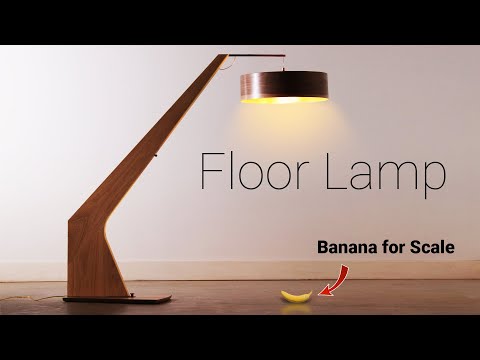
To help you visualize the impact of different materials on your interior, here is a comparative breakdown of the most popular options for curved floor lamps.
| Material | Aesthetic | Durability | Light Diffusion | Best For |
| Brushed Metal | Industrial, Modern | High | Direct, Reflective | Task lighting, Contemporary spaces |
| Polished Brass | Glamorous, Vintage | Moderate | Warm, Reflective | Luxury interiors, Classic decor |
| Natural Wood | Rustic, Warm | High | Soft, Absorbed | Cozy nooks, Minimalist rooms |
| Frosted Glass | Elegant, Soft | Moderate | Diffused, Ambient | Bedrooms, Living rooms |
| Woven Rattan | Bohemian, Textured | Moderate | Patterned, Filtered | Patios, Eclectic interiors |
Conclusion
Investing in a curved floor lamp is more than just a lighting upgrade; it is an elevation of your home’s design language. By understanding the distinct differences between styles, choosing the right materials, and placing your fixture strategically, you can harness the transformative power of curved ambient lighting. Whether you prefer the clean lines of modern minimalist design or the bold statement of a sculptural arc, the right curved standing lamp will not only illuminate your room but also define its character. Take your time, explore the variations, and let your lighting choice speak volumes about your personal style.
Frequently Asked Questions
What is a curved floor lamp used for?
A curved floor lamp is primarily used for ambient and task lighting, offering versatility that traditional upright lamps cannot match. The sweeping arc allows the light to wash over a larger area, making it ideal for filling dark corners, illuminating reading nooks, or providing indirect lighting that bounces off walls and ceilings to create a warm, inviting atmosphere.
How to style a curved floor lamp?
When styling a curved floor lamp, treat it as a piece of furniture rather than just a light source. Place it behind a low-profile sofa to create a graceful frame without blocking sightlines. Pair it with a complementary side table and a textured rug underneath to anchor the look visually. If your lamp has a sculptural quality, let it be the focal point by keeping the surrounding decor minimal and clean, allowing the curve to command attention.
Are curved floor lamps suitable for small spaces?
Absolutely! While it might seem counterintuitive, a curved floor lamp can make a small space feel larger. By angling the curve upward and outward, you can draw the eye vertically, creating an illusion of height. Opt for a smaller, more delicate curve with a light-colored finish to avoid overwhelming the room, and use the lamp to reflect light into dark corners, enhancing the sense of openness and airiness.
What are the best materials for curved floor lamps?
The best material depends on your interior style and functional needs. For a modern look, brushed stainless steel or matte black metal offers sleek durability and a contemporary edge. If you prefer warmth, natural wood or polished brass adds an organic or luxurious touch. For soft, diffused lighting, frosted glass or fabric shades are excellent choices, as they prevent harsh glare while still providing ample illumination for everyday tasks.
How to position a curved floor lamp for reading?
To optimize a curved standing lamp for reading, position the curve so that the light source is directly above or slightly in front of your reading chair. The curve should direct the beam downward onto the book or page without casting shadows on your writing hand. Ensure the bulb is bright enough—around 400 to 600 lumens—and use a shade or design that channels the light precisely where you need it for comfortable, strain-free reading.
Do curved floor lamps provide enough light?
Yes, curved floor lamps can provide more than enough light, provided you choose the right bulb and placement. Because the curve allows light to spread outward, it often illuminates a larger area than a standard downward-facing lamp. For maximum brightness, select LED bulbs with a high lumen count and consider smart bulbs that allow you to adjust the intensity based on the time of day and the activity taking place in the room.