


Transforming a dim, lifeless space into a bright, inviting environment is one of the most impactful home improvements you can make—without breaking the bank or hiring a professional contractor. Whether you are dealing with a windowless basement, a north-facing living room that rarely sees sunlight, or simply want to elevate the ambiance of your everyday space, understanding how to add light to a room is a skill that pays dividends in comfort, productivity, and even mood. This comprehensive guide walks you through proven lighting strategies, smart product choices, and expert techniques that interior designers rely on every day. From layering ambient and task lighting to selecting the ideal color temperature, you will find actionable advice for every skill level and budget.
Why Lighting Transforms Every Room
Light is not just a functional necessity—it is a design force that shapes how we perceive space, color, and even our own emotions. Research in environmental psychology consistently shows that well-lit rooms feel larger, cleaner, and more welcoming. When natural light is limited, artificial lighting becomes your primary tool for creating atmosphere and visual depth. Poor lighting, on the other hand, can make a perfectly decorated room feel cramped and unwelcoming. Adding light strategically means going beyond simply flipping on a ceiling fixture; it involves understanding room illumination techniques, lighting layers, and how different light sources interact with surfaces and textures.
Types of Light Sources for Brightening a Room
Not all light sources are created equal. The bulbs, fixtures, and natural light enhancements you choose will determine everything from energy efficiency to the overall feel of your space. Here is a closer look at the most effective options for brightening a room with artificial and natural light.
LED Lighting: The Modern Standard
LED bulbs have revolutionized residential lighting. They use up to 75% less energy than incandescent alternatives and last significantly longer, making them the go-to choice for homeowners focused on both savings and sustainability. Modern LEDs are available in a wide range of color temperatures, from warm 2200K tones that mimic candlelight to crisp 5000K daylight that closely resembles natural sunlight. Smart LED bulbs add another dimension entirely, allowing you to adjust brightness and color from your phone or voice assistant.
Natural Light Enhancements
Even in rooms with minimal windows, you can maximize natural light through strategic choices. Light tubes (also called solar tubes or tubular skylights) channel sunlight from the roof into interior spaces. Clerestory windows placed high on walls bring in daylight without compromising privacy. For more budget-friendly options, sheer curtains, light-colored window treatments, and even window film designed to diffuse rather than block light can make a dramatic difference.
Other Light Sources Worth Considering
- Halogen bulbs — produce a clean, white light close to natural daylight, ideal for task lighting in kitchens and home offices.
- Fluorescent tubes — commonly used in garages and basements, they offer high lumens at low energy costs.
- OLED panels — ultra-thin, diffused light panels that provide an even, glare-free glow, perfect for accent lighting behind furniture or artwork.
Layering Light: Ambient, Task, and Accent
Professional interior designers never rely on a single light source. The secret to beautifully illuminated rooms lies in layered lighting, which combines three distinct types of illumination to create depth and functionality.
- Ambient Lighting: The overall, general illumination of a room. Think ceiling-mounted fixtures, recessed downlights, or large pendant lights. This is your foundational layer.
- Task Lighting: Focused light directed at specific activities—reading lamps, under-cabinet kitchen lights, desk lamps, and vanity lights in bathrooms.
- Accent Lighting: Used to highlight architectural features, artwork, or textures. Track lights, wall sconces, and LED strip lights fall into this category.
The best room lighting ideas integrate all three layers seamlessly. Start with ambient light for general visibility, add task lighting where activities demand focused illumination, and finish with accent lighting to add visual interest and depth.
Choosing the Right Color Temperature
Color temperature, measured in Kelvin (K), profoundly affects how a room feels. Warm light (2200K–3000K) creates a cozy, intimate atmosphere perfect for bedrooms and living rooms. Neutral light (3500K–4000K) balances warmth and clarity, making it ideal for kitchens and bathrooms. Cool daylight (5000K–6500K) mimics morning sunlight and works well in home offices, workshops, and garages where alertness matters.
| Color Temperature | Feel | Best Rooms | Common Use |
| 2200K – 3000K | Warm, cozy, inviting | Bedroom, living room | Relaxation, evening ambiance |
| 3500K – 4000K | Neutral, balanced | Kitchen, bathroom | Daily tasks, grooming |
| 5000K – 6500K | Cool, energizing | Home office, garage | Focus, detailed work |
Practical Strategies to Light a Dark Room
Some rooms seem inherently resistant to light—low ceilings, small windows, or dark wall colors that absorb rather than reflect it. Here are proven techniques for illuminating a dark room that work regardless of the space’s limitations.
Use Mirrors and Reflective Surfaces
Placing a large mirror opposite a window or light source is one of the oldest and most effective lighting design tricks. Mirrors bounce light around the room, effectively doubling its reach. Glossy tiles, glass tabletops, metallic fixtures, and high-gloss paint on trim also contribute to a brighter environment by reflecting rather than absorbing photons.
Optimize Wall and Ceiling Colors

Light-colored walls—think soft whites, warm creams, pale grays, and muted pastels—reflect significantly more light than dark tones. If repainting is not an option, consider using light-colored rugs, sheer furniture, and reflective accessories to bounce available light around the space. A matte white ceiling can improve ambient light distribution by up to 20% compared to darker alternatives.
Add Light Without Overhead Fixtures
Not every room accommodates a central ceiling light, and that is perfectly fine. Floor lamps, table lamps, wall-mounted sconces, and LED strip lighting tucked behind furniture or along crown molding can provide ample illumination while adding character. Plug-in pendant lights and battery-operated picture lights are excellent solutions for renters or spaces where wiring is impractical.
Leverage Smart Lighting Controls
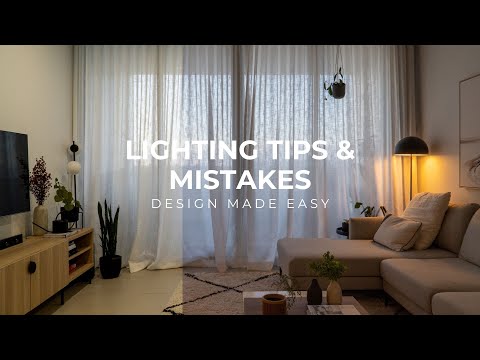
Smart lighting systems like Philips Hue, LIFX, and Lutron Caseta allow you to program schedules, dim lights remotely, and even sync lighting with sunrise and sunset patterns. These smart home lighting solutions make it effortless to maintain optimal light levels throughout the day without manual adjustments.
Advanced Lighting Techniques for Stunning Results
If you are ready to move beyond basic fixtures, these expert-level strategies will take your room illumination to the next level.
- Recessed LED spotlights on a dimmer: Install adjustable recessed lights with a dimmer switch to control intensity throughout the day. This gives you complete flexibility for entertaining, relaxing, or working.
- Uplighting: Place floor lamps or uplighter fixtures near walls to bounce light upward, visually expanding the room and creating a sense of height.
- Backlighting: Position LED strips behind furniture, headboards, or entertainment centers to create a soft halo effect that adds depth and dimension.
- Light shelves: These reflective horizontal surfaces mounted near windows redirect incoming light deeper into the room, significantly improving daylight penetration in open-plan spaces.
- Transom windows: Installing a transom window above interior doors allows light to flow between rooms, brightening hallways and closed-off spaces naturally.
Lighting Products Comparison
Choosing the right products can feel overwhelming with so many options on the market. The following comparison helps you make informed decisions based on your specific needs.
| Product Type | Best For | Avg. Cost | Difficulty |
| LED Pendant Light | Kitchen islands, dining areas | $40 – $200 | Easy |
| LED Strip Lights | Under-cabinet, cove lighting | $15 – $50 | Easy |
| Recessed Downlights | General ambient lighting | $25 – $75 per fixture | Moderate |
| Solar Tubes | Windowless rooms, hallways | $200 – $600 installed | Hard |
| Smart Bulbs | Versatile, adjustable ambiance | $10 – $50 per bulb | Easy |
| Wall Sconces | Accent, hallway, bedside lighting | $25 – $150 | Easy |
Common Mistakes to Avoid When Adding Light to a Room
Even well-intentioned lighting projects can fall flat if common pitfalls are ignored. Avoid these mistakes to ensure your efforts deliver the best possible results.
- Using only one light source: A single overhead fixture creates harsh shadows and flat illumination. Always layer your lighting for dimension.
- Ignoring color rendering index (CRI): Bulbs with a low CRI (below 80) make colors look dull and washed out. Choose bulbs rated 90 CRI or higher for accurate, vibrant color representation.
- Overlooking glare: Unshielded fixtures or overly bright bulbs placed directly in sightlines cause eye strain and discomfort. Use diffusers, shades, and indirect placement to minimize glare.
- Skipping dimmers: Dimmers extend bulb life, reduce energy consumption, and allow you to adjust the mood for any occasion. Install them wherever possible.
- Choosing style over function: A beautiful fixture that does not provide adequate lumen output defeats the purpose. Always check the lumens rating, not just the wattage equivalent.
Conclusion
Adding light to a room is both a science and an art. By understanding the types of light sources available, layering ambient, task, and accent lighting, and applying practical strategies like reflective surfaces and smart controls, you can completely transform any space—regardless of its size, layout, or natural light availability. Start with the fundamentals, experiment with placement and color temperature, and gradually incorporate advanced techniques as your confidence grows. The result will be a room that feels brighter, more spacious, and genuinely inspiring to spend time in.
FAQs
What is the best way to add light to a room without wiring?
Plug-in floor lamps, battery-operated LED strip lights, plug-in pendant lights, and smart bulbs in existing fixtures are the best solutions for adding light without any electrical wiring. Solar tubes and light tubes also require no wiring to the electrical panel, though professional installation is recommended for the roof penetration.
How can I brighten a room with no windows?
Combine high-lumen LED lighting at multiple heights (ceiling, floor, and task level) with light-colored walls and reflective surfaces. LED light panels and large floor lamps with upward-facing shades are particularly effective for windowless rooms.
What color light is best for making a room look bigger?
Cool neutral light in the 3500K–4500K range combined with light-colored walls and mirrors creates the illusion of a larger, more open space. Avoid warm yellow tones in small rooms, as they tend to make walls feel closer.
How many lumens do I need to adequately light a room?
A general guideline is 20 lumens per square foot for ambient lighting. For example, a 150-square-foot room would need approximately 3,000 lumens total from all sources combined. Task areas like kitchen counters or desks may require 50 lumens per square foot for comfortable visibility.
Are smart bulbs worth the extra cost for room lighting?
Yes, smart bulbs offer significant advantages in convenience and energy savings. They allow you to adjust brightness and color temperature remotely, set schedules, and integrate with home automation systems. The slight premium pays for itself through reduced energy usage and the ability to optimize lighting for any time of day or activity.