


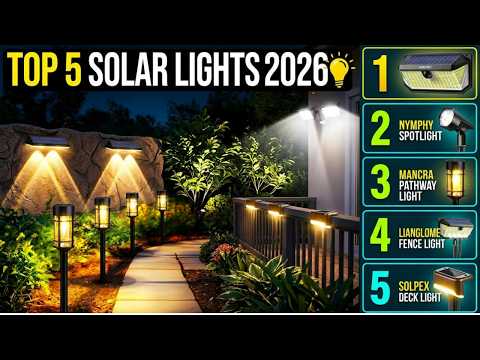
Decorative solar lights have transformed the way homeowners, landscapers, and event planners illuminate outdoor spaces. Unlike traditional lighting that depends on electrical wiring and grid power, modern solar-powered decorative fixtures harness free, renewable energy from the sun and convert it into ambient, atmospheric glow. Whether you are enhancing a garden pathway, accentuating architectural features, or creating a warm ambiance for an evening gathering, decorative solar lights deliver stunning visual impact without hiking up your electricity bill. This comprehensive guide covers everything you need to know — from understanding the different types and key buying criteria to expert placement strategies, maintenance tips, and long-tail FAQs that address the most common questions homeowners and DIY enthusiasts ask.
What Are Decorative Solar Lights and Why Are They So Popular?

Decorative solar lights are outdoor or indoor lighting fixtures that use photovoltaic cells to capture sunlight during the day, store energy in rechargeable batteries, and automatically illuminate at dusk or in low-light conditions. These fixtures come in a remarkable variety of designs — from sleek modern bollards to charming rustic lanterns — making them suitable for virtually any aesthetic or application.
The surge in popularity over the past few years is no coincidence. Rising energy costs, growing environmental awareness, and advances in LED and battery technology have made solar decorative lighting more efficient, affordable, and visually appealing than ever before. Homeowners looking for sustainable landscaping ideas and property owners seeking cost-effective curb appeal solutions have both embraced solar-powered decorative fixtures as a practical, elegant answer.
Types of Decorative Solar Lights
Understanding the different categories of solar decorative lighting is essential for choosing the right products for your specific needs. Each type serves a unique purpose and offers distinct design advantages.
Solar Pathway Lights
Solar pathway lights are among the most common decorative solar fixtures. They are designed to line walkways, driveways, garden edges, and patio borders. These lights typically feature low-profile designs with frosted or tinted globes that cast a soft, downward glow. Modern pathway models use LED chips with color temperatures ranging from warm white (2700K) to cool white (5000K), allowing you to match the lighting mood to your landscape style.
Solar String Lights
Often referred to as fairy lights or bistro lights, solar string lights have become a staple for outdoor entertaining and festive décor. These fixtures feature clusters of small bulbs wired along a flexible cord powered by a solar panel. They are ideal for draping across pergolas, patios, fence lines, and even indoor spaces near windows. Copper wire solar string lights, in particular, have gained popularity because the malleable copper blends seamlessly with natural surroundings.
Solar Lanterns and Torches
Solar lanterns and decorative torches bring a timeless, charming quality to any outdoor setting. From traditional Moroccan-style metal lanterns to contemporary glass-cased designs, these fixtures serve as both functional light sources and standalone decorative pieces. Solar torches mimic the look of traditional flame-lit torches but operate entirely on stored solar energy, eliminating fire hazards and fuel costs.
Solar Spotlights and Accent Lights
For highlighting specific landscape features — such as a prized tree, a statue, a garden fountain, or architectural trim — solar spotlights and accent lights deliver focused, directional beams. Many models offer adjustable heads and multiple lighting modes, including steady-on, flashing, and color-changing options, giving you creative control over your outdoor lighting display.
Key Features to Look For When Choosing Decorative Solar Lights
Not all solar decorative lighting products are created equal. To make an informed purchase, consider the following features carefully.
- Solar Panel Quality and Size: Larger monocrystalline solar panels charge faster and more efficiently than smaller polycrystalline alternatives. Look for panels rated at least 2 watts for reliable all-day charging.
- Battery Capacity (mAh): Higher-capacity lithium-ion or NiMH batteries ensure longer runtime. A minimum of 2000 mAh is recommended for all-night illumination.
- LED Chip Quality: High-efficiency LEDs with a Color Rendering Index (CRI) above 80 produce richer, more natural-looking light that enhances colors and textures in your landscape.
- IP Rating for Weather Resistance: For outdoor use, choose fixtures with an IP65 or higher rating to ensure they withstand rain, humidity, and temperature fluctuations.
- Lighting Modes: Multiple modes — such as dimming, motion activation, and color cycling — add versatility and extend battery life during shorter daylight seasons.
- Design and Material: Materials like stainless steel, aluminum, and tempered glass offer durability and a premium look that complements high-end landscaping.
Best Placement Strategies for Maximum Visual Impact

Strategic placement is what separates a good solar lighting setup from a truly breathtaking one. Follow these proven techniques to maximize the decorative and functional value of your solar lights.
- Pathways and Walkways: Space pathway lights 1.5 to 2.5 meters apart for even, inviting illumination along garden paths, stone steps, and entrance driveways.
- Accent Focal Points: Position spotlights or uplights at the base of trees, planters, or outdoor sculptures to create dramatic shadows and depth.
- Pergolas and Pavilions: String solar lights along the top beams of covered patios to create a warm, intimate glow perfect for evening gatherings.
- Fences and Boundaries: Mount solar lanterns or post cap lights along fences to define property lines while adding ornamental charm.
- Water Features: Place floating solar lights or low-profile ground lights near ponds, fountains, and pools to create shimmering reflections that elevate the entire scene.
Comparison Table: Decorative Solar Light Types at a Glance
| Type | Best Use | Avg. Runtime | Design Style | Price Range |
| Solar Pathway Lights | Walkways, borders | 6–10 hours | Modern, minimalist | $10–$40 per unit |
| Solar String Lights | Patios, pergolas | 8–12 hours | Rustic, festive | $15–$60 per set |
| Solar Lanterns | Tables, shelves | 4–8 hours | Traditional, ornamental | $12–$50 per unit |
| Solar Spotlights | Accent, security | 6–8 hours | Sleek, industrial | $20–$70 per unit |
| Solar Torches | Entrances, borders | 4–6 hours | Cozy, dramatic | $15–$45 per unit |
Expert Tips for Getting the Most Out of Your Solar Lights
Even the best decorative solar lights will underperform without proper setup and care. Here are expert recommendations that make a measurable difference in brightness and longevity.
- Position Solar Panels in Direct Sunlight: Ensure the solar panel receives at least 6–8 hours of unobstructed sunlight daily. Shading from trees, fences, or building overhangs significantly reduces charging efficiency.
- Angle Panels Toward the Equator: In the Northern Hemisphere, face panels south; in the Southern Hemisphere, face them north. A tilt angle roughly equal to your latitude optimizes seasonal solar capture.
- Clean Panels Regularly: Dust, pollen, bird droppings, and fallen leaves on solar panels can reduce energy absorption by 20–30%. A quick wipe with a damp cloth every two weeks keeps performance at peak levels.
- Turn Off During Extended Storage: If you store solar lights for weeks during off-seasons, switch them off to prevent battery drain and prolong the lifespan of the rechargeable cells.
- Mix Light Temperatures for Depth: Combining warm white pathway lights with cool white accent spotlights creates visual contrast and adds dimension to your outdoor space.
- Use Reflective Surfaces Strategically: Placing solar lights near light-colored walls, stone, or water features amplifies the perceived brightness without requiring more powerful — and more expensive — fixtures.
Maintenance and Longevity Tips
Decorative solar lights are designed for low maintenance, but a little attention goes a long way toward extending their lifespan.
- Replace Rechargeable Batteries Annually: Most solar light batteries last 1–2 years before their capacity noticeably degrades. Stocking compatible replacement batteries ensures consistent performance year after year.
- Check Seals and Gaskets: Inspect the rubber seals around fixtures periodically. A compromised seal can let moisture enter, corroding internal circuitry and LED components.
- Protect Against Extreme Cold: Lithium-ion batteries lose significant capacity in freezing temperatures. If you live in a climate with harsh winters, consider removing lights and storing them indoors during the coldest months.
- Update Firmware or Settings: Some advanced solar lights with motion sensors or smart controls receive firmware updates that improve sensitivity, timing, and battery management. Check the manufacturer’s app or website periodically.
Conclusion
Decorative solar lights represent one of the smartest investments any property owner can make. They blend sustainability with style, offering beautiful illumination that requires zero electricity and minimal maintenance. From pathway lights that guide guests safely to your front door, to string lights that transform a simple patio into an enchanting evening retreat, the options are virtually limitless. By understanding the different types, prioritizing quality features like high-capacity batteries and weatherproof ratings, and following strategic placement and maintenance practices, you can create a visually stunning outdoor environment that impresses every single night — powered entirely by the sun.
Frequently Asked Questions (FAQs)
How long do decorative solar lights typically last on a single charge?
Most decorative solar lights run between 6 and 12 hours on a full charge, depending on battery capacity, LED efficiency, and the lighting mode selected. Models with larger lithium-ion batteries and dimming modes tend to last the longest, making them ideal for all-night ambiance without midday recharging.
Do decorative solar lights work on cloudy or rainy days?
Yes, but with reduced performance. Solar panels can still capture diffused light on overcast days, though charging times are longer and runtime may be shortened by 30–50%. High-quality solar lights with premium monocrystalline panels handle low-light conditions significantly better than budget models with polycrystalline cells.
Can I use decorative solar lights indoors near windows?
Absolutely. Solar lights can charge effectively when placed near sunny windows, making them a wonderful option for indoor décor in sunrooms, balconies, and entryways. Just ensure the solar panel faces the window directly and is not shaded by curtains or furniture for optimal charging.
What is the average lifespan of a decorative solar light fixture?
A well-maintained decorative solar light typically lasts between 2 and 5 years. LEDs rarely burn out within this timeframe, but rechargeable batteries degrade after 500–1000 charge cycles. Replacing the battery periodically can extend the overall fixture life well beyond five years.
Are decorative solar lights weatherproof enough for winter use?
Most quality solar lights carry an IP65 or IP67 waterproof rating, making them resilient against rain, snow, and frost. However, extreme cold reduces battery performance significantly. For regions with harsh winters, it is advisable to either choose lights rated for sub-zero operation or store them indoors during the coldest months to preserve battery health.