


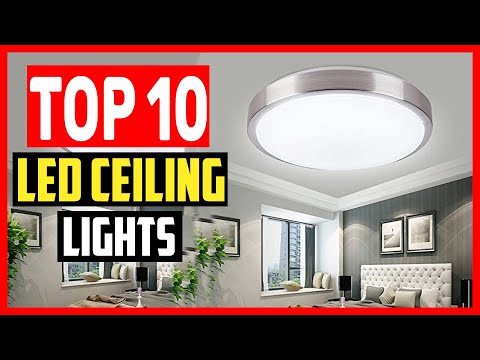
When it comes to illuminating your living spaces, the ceiling light you choose does far more than simply keep the dark at bay. It sets the entire mood, defines the aesthetic of a room, and influences how you feel every time you walk through the door. Whether you are renovating a cozy apartment, designing a new home from the ground up, or simply looking to swap out an outdated fixture, understanding the world of ceiling lights can feel overwhelming. That is exactly why this guide breaks everything down into clear, actionable insights. From flush mount fixtures to stunning pendant designs, we will explore every angle so you can make a confident, informed decision. Let us dive deep into the illuminating world of ceiling lighting.
Why Your Ceiling Light Choice Matters More Than You Think
A ceiling light is often the first thing guests notice when they enter a room, yet it is one of the most overlooked elements in interior design. The right ceiling light serves multiple purposes simultaneously. It provides ambient illumination, highlights architectural features, and even contributes to your home’s energy efficiency. Studies consistently show that proper lighting improves mood, productivity, and even sleep quality. On the flip side, a poorly chosen fixture can make a beautifully decorated room feel flat, harsh, or unwelcoming. The color temperature, brightness level, size proportions, and style of your ceiling light all work together to create the atmosphere of your space.
Types of Ceiling Lights: A Comprehensive Breakdown
The ceiling light market offers an impressive variety of options, each designed for specific purposes, room sizes, and design preferences. Understanding these categories is the foundation of making the right choice.
Flush Mount Ceiling Lights

A flush mount ceiling light sits directly against the ceiling with no gap or hanging element. This design makes it ideal for rooms with low ceilings where a pendant or chandelier would feel cramped and claustrophobic. Flush mounts are incredibly versatile and work beautifully in hallways, bedrooms, kitchens, and bathrooms. They deliver even, widespread light distribution and come in styles ranging from minimalist modern discs to ornate traditional domes.
Semi-Flush Mount Ceiling Lights
Semi-flush fixtures offer a hybrid solution. They mount to the ceiling but hang slightly lower, typically between three and eight inches. This small drop creates a subtle depth and dimension that flush mounts cannot achieve. Semi-flush ceiling lights are perfect for dining rooms and living areas where you want a bit more visual interest without the drama of a full pendant. They are also excellent for spaces where overhead clearance is a consideration.
Pendant Ceiling Lights
Pendant lights hang from the ceiling on a rod, chain, or cord and focus light downward in a concentrated pool. They are one of the most popular choices for kitchen islands, dining tables, and entryways. Pendant ceiling lights come in an enormous range of materials including glass, metal, fabric shades, and natural fibers. Their statement-making presence can anchor an entire room’s design scheme, which is why interior designers often use them as a focal point.
Recessed Ceiling Lights
Also known as can lights or downlights, recessed fixtures sit inside the ceiling itself, creating a sleek, streamlined look with no visible housing. They are a favorite choice for modern and contemporary interiors where clean lines dominate. Recessed ceiling lights provide excellent task lighting and can be strategically positioned to highlight artwork, architectural details, or specific work zones. However, installation requires more planning and ceiling depth, making them less suitable for retrofit projects in older homes.
Chandelier Ceiling Lights
Chandeliers are the crown jewels of ceiling lighting. They combine multiple light sources with decorative elements like crystals, arms, and ornate frames to create a dramatic centerpiece. Modern chandeliers have evolved far beyond traditional crystal designs, offering sleek geometric shapes, organic materials, and minimalist aesthetics. A chandelier ceiling light works best in large open-plan spaces, formal dining rooms, and foyers where it has room to breathe and make an impact.
How to Choose the Right Ceiling Light for Every Room
Selecting the perfect ceiling light involves balancing several key factors. Let us walk through the decision-making process step by step.
- Measure your room dimensions. A common rule of thumb is to add the room’s length and width in feet, then convert that sum to inches. For example, a 12-foot by 14-foot room calls for a fixture roughly 26 inches in diameter.
- Consider ceiling height. Standard eight-foot ceilings pair well with flush or semi-flush mounts. Ceilings nine feet and above give you more flexibility with pendant and chandelier options.
- Match the style to your décor. A modern minimalist space demands clean-lined fixtures, while a farmhouse kitchen might call for rustic wood or wrought iron designs.
- Check the light output. Look at lumens rather than wattage when evaluating brightness. A living room typically needs around 1,500 to 3,000 lumens, while a kitchen benefits from 4,000 to 8,000 lumens for task work.
- Think about color temperature. Warm white light (2700K-3000K) creates a cozy, inviting atmosphere for bedrooms and living rooms. Cool white light (4000K-5000K) works better in offices, bathrooms, and kitchens where clarity and alertness matter.
Pro Tip: Layered Lighting Strategy

Expert interior designers rarely rely on a single ceiling light source. Instead, they layer ambient, task, and accent lighting to create depth and flexibility. For instance, you might pair a central ceiling light with wall sconces, under-cabinet LED strips, and a floor lamp. This approach allows you to adjust the mood for any occasion, from a bright morning routine to a soft, intimate evening gathering.

Ceiling Light Installation: What You Need to Know
While some ceiling light installations are straightforward DIY projects, others require professional electrical work. Flush mount and semi-flush fixtures are generally the easiest to install, typically requiring basic tools and a straightforward wiring connection. Pendant lights involve securing a mounting bracket and running the electrical box to support the weight of the fixture and any hanging chain or rod.
Recessed lighting demands the most preparation. You need adequate ceiling depth for the housing, proper insulation contact ratings for energy code compliance, and precise cutting of ceiling openings. Chandelier installations require a robust ceiling box rated for the fixture’s weight, which can be significantly heavier than standard light fixtures. Always turn off the circuit breaker before beginning any installation, and when in doubt, consult a licensed electrician.
Ceiling Light Types: Quick Comparison Table
| Type | Best For | Ceiling Height Needed | Installation Difficulty | Style Range |
| Flush Mount | Low ceilings, hallways, small rooms | 8 feet or less | Easy | Minimal to Traditional |
| Semi-Flush | Medium rooms, dining areas | 8.5 feet or more | Easy to Moderate | Traditional to Transitional |
| Pendant | Kitchens, dining, entryways | 9 feet or more | Moderate | Modern, Industrial, Rustic |
| Recessed | Contemporary homes, task lighting | 8 feet with adequate depth | Difficult | Modern, Minimalist |
| Chandelier | Large rooms, foyers, dining | 10 feet or more | Moderate to Difficult | Traditional, Glamorous, Modern |
Energy Efficiency and Smart Ceiling Lighting
The lighting industry has undergone a remarkable transformation in recent years, and ceiling lights are at the forefront of this revolution. LED ceiling lights consume up to 75% less energy than traditional incandescent bulbs and last 15 to 25 times longer. This translates to significant savings on your electricity bill over the lifespan of the fixture. Many modern ceiling lights now come with built-in LED modules that are not user-replaceable but are rated for 30,000 to 50,000 hours of use.
Smart ceiling lighting has also entered the mainstream. Compatible with ecosystems like Amazon Alexa, Google Home, and Apple HomeKit, smart ceiling lights allow you to adjust brightness, change color temperature, and set automated schedules from your smartphone. Some advanced models even integrate with occupancy sensors that turn the light on when you enter a room and off when you leave. This combination of convenience and energy savings makes smart ceiling lights a compelling investment for any homeowner.
Common Mistakes to Avoid When Choosing Ceiling Lights
- Oversizing the fixture. An oversized chandelier in a small room creates visual clutter and can physically obstruct movement and sightlines.
- Ignoring dimmability. Choosing a non-dimmable ceiling light limits your ability to adjust ambiance throughout the day and for different occasions.
- Neglecting the room’s function. A bedroom needs softer, warmer lighting compared to a home office that demands bright, focused illumination.
- Forgetting about clearance. Pendant lights hung too low over dining tables or walkways create hazards and head bumps.
- Skipping the dimmer switch. Installing a dimmer switch with your ceiling light instantly upgrades the versatility of the fixture and adds significant value to your home.
Final Thoughts on Choosing Your Perfect Ceiling Light
The right ceiling light transforms a room from ordinary to extraordinary. It is not just about providing illumination — it is about creating an experience, setting a tone, and expressing your personal style. By understanding the different types of ceiling lights available, considering your specific room requirements, and avoiding common pitfalls, you are well-equipped to choose a fixture that elevates your entire living space. Take your time, measure carefully, and do not be afraid to mix styles or layer multiple light sources for the most dynamic and inviting results.
Frequently Asked Questions About Ceiling Lights
What is the best ceiling light for a small bedroom?
For a small bedroom, a flush mount ceiling light or a mini semi-flush fixture is your best bet. These options save valuable floor and headspace while still providing adequate ambient illumination. Look for fixtures with a diameter between 12 and 20 inches, and choose warm white LED bulbs around 2700K to create a relaxing, sleep-friendly atmosphere. A dimmable flush mount gives you the flexibility to transition from bright reading light to a soft nighttime glow.
How high should a pendant ceiling light hang over a dining table?
The standard recommendation is to hang a pendant ceiling light 30 to 36 inches above the dining table surface. This height provides focused task lighting for meals while keeping the fixture safely out of the way of conversation and movement. If your ceiling is particularly high, consider adjusting to 36 to 40 inches to maintain visual balance. Always ensure the bottom of the fixture does not hang lower than 7 feet from the floor to prevent head collisions.
Can I install a ceiling light myself, or do I need an electrician?
Simple flush mount and semi-flush fixtures can typically be installed as a DIY project if you are comfortable working with basic electrical wiring and have turned off the circuit breaker first. However, recessed lighting, heavy chandeliers, and any installation that requires upgrading your electrical box or running new wiring should be handled by a licensed electrician. Safety should always come first, and improper installation can create fire hazards or structural issues.
What ceiling light is best for a kitchen with an island?
Pendant ceiling lights are the gold standard for kitchens with islands. A row of three pendants spaced evenly over the island provides both task lighting and visual balance. Choose fixtures that are 12 inches in diameter or smaller per pendant to avoid overwhelming the counter space. LED pendants with adjustable brightness are ideal since kitchen tasks range from casual snacking to intense meal preparation requiring bright, focused light.
Are smart ceiling lights worth the extra cost?
Smart ceiling lights offer compelling benefits that justify the investment for many homeowners. The ability to control brightness, color temperature, and scheduling through voice commands or smartphone apps adds tremendous convenience. Over time, the energy savings from LED smart bulbs and automated scheduling can offset the initial cost difference. If you are already building a smart home ecosystem, smart ceiling lights integrate seamlessly and provide a noticeably elevated living experience.