


If you have been searching for a lighting upgrade that delivers superior visibility, energy efficiency, and a modern look, the bulb led H7 is one of the most practical solutions available today. Whether you are restoring a classic vehicle, upgrading your daily driver, or replacing a failing halogen lamp, understanding everything about LED H7 technology can save you time, money, and frustration. This guide covers specifications, compatibility, installation tips, top picks, and expert recommendations so you can make a confident purchase decision.
What Is an LED H7 Bulb and Why Does It Matter?

The LED H7 bulb is a semiconductor-based light source designed to fit the H7 socket, a single-filament bayonet mount widely used in low-beam and high-beam headlamp assemblies. Unlike traditional halogen H7 bulbs that rely on a heated tungsten filament, LED H7 units use an array of light-emitting diodes mounted on a heatsink-backed driver module. The result is a cooler-running, longer-lasting light source that produces significantly more lumens per watt. For vehicle owners, this translates into sharper road illumination, reduced electrical load on the alternator, and a lifespan that often exceeds 30,000 hours compared to roughly 1,000 hours for standard halogen bulbs.
Key Features and Specifications of LED H7 Bulbs
Not all LED H7 bulbs are created equal. Before purchasing, it is essential to understand the technical specifications that determine real-world performance.
Brightness and Lumen Output
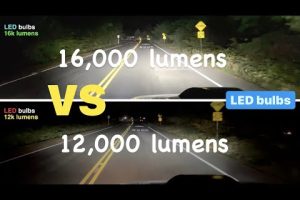
The lumen rating of an LED H7 bulb is the single most important metric. Entry-level LED H7 bulbs typically produce between 3,000 and 4,500 lumens per pair, while premium models push 6,000 lumens or more. However, raw lumen numbers alone can be misleading. The optical design of the LED chip array, the reflector cup inside your headlamp housing, and the focus of the beam pattern all influence how effectively those lumens reach the road surface.
Color Temperature Options
LED H7 bulbs come in a range of color temperatures measured in Kelvin (K). The most common options include:
- 4,300K–5,000K: Warm white to neutral white, offering excellent contrast and road definition, very close to the appearance of factory halogen light.
- 5,500K–6,000K: Pure white, a popular choice that balances visibility with a modern aesthetic.
- 6,500K and above: Cool white to bluish tint, visually striking but can reduce perceived contrast in fog, rain, and on unlit roads.

For daily driving and maximum safety, most experts recommend a color temperature between 4,300K and 5,500K.
Beam Pattern and Cutoff Line
A well-designed LED H7 bulb replicates the cutoff line of a halogen reflector. Poor-pattern bulbs create glare for oncoming traffic and light scatter that reduces your own visibility. Top-tier LED H7 units use multiple LED chips arranged in a specific geometry, combined with a built-in optics ring or driver placement that maintains a clean horizontal cutoff.

How to Choose the Right LED H7 Bulb
Selecting the correct H7 LED bulb requires evaluating several factors beyond price and brightness claims.
Compatibility and CANBUS Compatibility
Modern vehicles equipped with a CANBUS system may interpret the low power draw of an LED H7 bulb as a burnt-out filament, triggering a dashboard warning or hyper-flashing on turn signals. Premium LED H7 bulbs include integrated resistors or built-in CANBUS decoders to prevent these errors. Always confirm compatibility with your specific vehicle make, model, and year before purchasing.
Fitment and Enclosure Depth
The H7 socket is located inside the headlamp assembly, and clearance varies significantly between models. Some vehicles have tight housings where a bulky LED driver or oversized heatsink will not fit. Bulbs with a slim driver module and a compact heatsink design are critical for these applications. Always check the physical dimensions of the bulb against your headlamp’s internal depth.
Heat Dissipation and Lifespan
LED chips generate heat at the junction point, even though the bulb exterior remains cool to the touch. Effective heatsink design — typically aluminum with fins or copper inserts — is what determines whether the bulb maintains its brightness over thousands of hours. Bulbs without proper thermal management will experience rapid lumen degradation within the first year of use.
LED H7 vs Halogen H7: A Head-to-Head Comparison
The table below summarizes the most critical differences between LED H7 and halogen H7 bulbs across the factors that matter most to vehicle owners.
| Feature | LED H7 | Halogen H7 |
| Lumen Output (per pair) | 3,000–6,000+ lm | 1,000–1,500 lm |
| Color Temperature Range | 4,300K–6,500K | 3,000K–3,500K |
| Average Lifespan | 30,000–50,000 hours | 400–1,000 hours |
| Power Draw | 15–35W per bulb | 55–65W per bulb |
| Heat Output | Low (heatsink managed) | High (frequent bulb replacement needed) |
| Startup Time | Instant (no warm-up) | Instant |
| CANBUS Issues | Possible (fixable with resistors) | None |
| Price Range (per pair) | $25–$120+ | $5–$20 |
Top Benefits of Upgrading to an LED H7 Bulb
- Dramatically improved nighttime visibility. The increased lumen output and sharper beam pattern help you spot obstacles, pedestrians, and road signs earlier.
- Reduced energy consumption. LED H7 bulbs draw roughly half the wattage of halogen equivalents, easing the load on your vehicle’s electrical system.
- Longer replacement intervals. A single pair of quality LED H7 bulbs can outlast several sets of halogen bulbs, reducing maintenance costs over time.
- Modern aesthetic. A crisp white light gives your vehicle a more refined, contemporary headlight appearance.
- Instant full brightness. Unlike some HID or xenon conversion kits that require a warm-up period, LED H7 bulbs reach full output the moment you switch them on.
Installation Guide and Expert Tips
Replacing a halogen H7 bulb with an LED H7 equivalent is one of the simplest DIY upgrades you can perform on your vehicle. Follow these steps for a clean, safe installation:
- Turn off the engine and allow the headlamp assembly to cool completely. LED H7 bulbs stay cool, but the surrounding housing may retain heat from halogen use.
- Open the hood and locate the headlamp rear cover. Disconnect the electrical connector by pressing the clip and pulling it straight out.
- Remove the dust cover or rubber seal by twisting it counterclockwise. Pull the old halogen bulb straight out of the socket, being careful not to touch the glass with bare fingers.
- Insert the new LED H7 bulb into the socket, ensuring the orientation matches the beam pattern requirements. Most LED H7 bulbs are directional and must be installed in the correct up/down position.
- Reattach the dust cover, reconnect the electrical connector, and test the bulb by turning on the low beam.
- Repeat the process for the opposite headlamp if upgrading both sides.
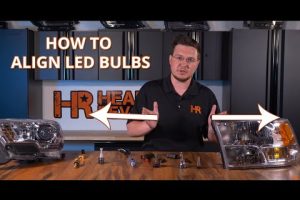
Expert tip: If your vehicle uses a projector lens headlamp, make sure the LED chips are positioned at the focal point of the lens. Misaligned chips create a scattered beam and blind oncoming drivers.
Best LED H7 Bulbs Worth Considering
Based on lumen output, beam pattern quality, thermal management, and real-world user feedback, the following LED H7 bulbs consistently rank among the best options available:
- Xenon HID-style LED H7 (e.g., SEALIGHT, Auxbeam, or Beamtech): These multi-chip designs offer 6,000+ lumens per pair with a well-focused cutoff, making them ideal for vehicles with projector headlamps.
- slim-fit LED H7 (e.g., Cougar Motor or BEAMTECH Slim): Designed for tight headlamp enclosures, these bulbs retain a compact driver and heatsink that fits in spaces where bulkier alternatives cannot.
- Premium CANBUS-ready LED H7 (e.g., Hikari or Auxito): These include built-in resistors and error-free operation, making them perfect for modern European vehicles such as BMW, Mercedes, Audi, and Volkswagen models.
Frequently Asked Questions (FAQs)
1. Can I replace my halogen H7 bulb with an LED H7 bulb directly?
In most cases, yes. The H7 socket is a standardized bayonet mount, so the base of an LED H7 bulb matches the factory halogen socket. However, you should verify that the bulb’s physical length and driver size fit inside your headlamp housing. Additionally, some vehicles may require a CANBUS decoder or resistor to prevent dashboard warning lights.
2. Are LED H7 bulbs road legal in all countries?
Regulations vary by jurisdiction. In many countries, replacing a halogen bulb with an LED bulb of the same type and socket is legal as long as the beam pattern meets ECE or DOT standards. Some regions, particularly in Europe, require E-mark certified bulbs. Always check your local vehicle lighting regulations before installing aftermarket LED H7 bulbs.
3. How long do LED H7 bulbs typically last?
Quality LED H7 bulbs rated at 30,000 to 50,000 hours can last 10 to 15 years of normal daily driving. The limiting factor is usually the driver electronics rather than the LED chips themselves. Bulbs from reputable brands with quality capacitors and thermal management tend to deliver their rated lifespan.
4. Do LED H7 bulbs attract insects like halogen bulbs do?
LED bulbs emit less UV radiation and operate at a different wavelength than halogen bulbs, which makes them significantly less attractive to insects. Drivers in bug-prone areas often notice a noticeable reduction in debris and insect buildup on their headlamp lenses after switching to LED H7.
5. Why do some LED H7 bulbs flicker or dim after installation?
Flickering is typically caused by CANBUS incompatibility or insufficient power supply. The low wattage draw of LED bulbs can confuse the vehicle’s onboard computer into interpreting the bulb as faulty. Installing a compatible CANBUS decoder or LED-compatible resistor usually resolves this issue entirely.
6. Is it worth paying more for a branded LED H7 bulb over a budget option?
Yes. Branded LED H7 bulbs invest in superior LED chip quality, accurate optics, robust heatsink design, and reliable driver circuitry. Budget bulbs often exaggerate lumen claims and use poorly designed heat sinks that lead to premature failure. The long-term value of a quality bulb far outweighs the initial cost difference.
Conclusion
The bulb LED H7 represents one of the most impactful and accessible upgrades you can make to your vehicle’s lighting system. From the dramatic improvement in nighttime visibility and energy efficiency to the extended lifespan and modern appearance, the benefits are clear and well-documented. By understanding the specifications that matter — lumen output, color temperature, beam pattern, thermal management, and CANBUS compatibility — you can confidently choose an LED H7 bulb that meets your specific driving needs. Always prioritize quality over price, verify fitment for your vehicle, and follow proper installation procedures to enjoy years of superior headlight performance.