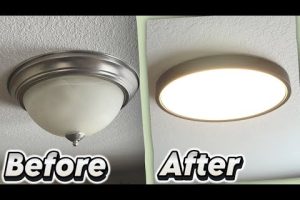



If you are redesigning your kitchen or upgrading your lighting setup, one of the most practical and stylish choices you can make is installing a flush mount kitchen light. Unlike pendant fixtures that hang from the ceiling or chandeliers that demand vertical clearance, flush mount lights sit snugly against the ceiling surface, delivering even illumination without consuming valuable headroom. Whether you have a compact galley kitchen, a modern open-concept layout, or a cozy cottage-style cooking space, a flush mount light can transform the ambiance, improve functionality, and elevate the aesthetic of your entire room. In this comprehensive guide, we will explore everything you need to know about flush mount kitchen lighting — from the different types available to expert installation tips and how to select the perfect fixture for your space.
What Is a Flush Mount Kitchen Light?
A flush mount kitchen light is a ceiling-mounted fixture that sits flat against the ceiling with no gap between the mounting base and the surface. These fixtures derive their name from their seamless, close-to-ceiling installation. They are also commonly referred to as ceiling mount lights, surface mount fixtures, or close mount lights. The canopy — the decorative plate that covers the electrical box — rests directly on the ceiling, making them ideal for rooms with standard or limited ceiling height. Flush mount lights come in a wide variety of designs, from sleek contemporary disc fixtures to ornate traditional semi-flush designs, ensuring there is an option for virtually every kitchen style.
How Flush Mount Fixtures Differ from Other Mount Types
The key distinction between flush mount lights and other ceiling fixtures lies in their proximity to the ceiling. Semi-flush mount lights, for example, have a small stem that suspends the fixture slightly below the ceiling surface, while pendant lights hang entirely free from a chain or rod. Flush mounts, by contrast, maintain a flush profile that maximizes vertical clearance and creates a streamlined, uncluttered look overhead.
Benefits of Choosing a Flush Mount Kitchen Light
There are compelling reasons why flush mount kitchen lights remain one of the most popular choices among homeowners and interior designers alike. Here are the primary benefits:
- Space-Saving Design: Flush mount lights maximize headroom, which is especially valuable in smaller kitchens or kitchens with lower ceilings. You will not bump your head or feel visually cramped.
- Even Light Distribution: Because these fixtures sit close to the ceiling, they cast light downward in a wide, dispersed pattern. This creates a more uniform illumination across the kitchen compared to a single pendant that concentrates light in one spot.
- Versatile Style Options: From minimalist LED flush mounts to vintage-inspired frosted glass fixtures, flush mount lights are available in an enormous range of materials, finishes, and shapes to suit any kitchen decor.
- Easy Installation: Most flush mount kitchen lights are straightforward to install, requiring only a standard ceiling electrical box and basic wiring knowledge. Many homeowners can handle the job themselves with a simple toolkit.
- Cost-Effective: Compared to elaborate chandeliers or custom-built lighting solutions, flush mount fixtures tend to be more affordable while still delivering excellent aesthetic and functional results.
- Safety and Stability: Since they are securely mounted against the ceiling, flush mount lights are less likely to sway or become a hazard in high-traffic kitchen environments.
Types of Flush Mount Kitchen Lights
Understanding the different categories of flush mount lighting can help you narrow down the best option for your kitchen. Below are the most common types available on the market today:
- Flush Mount Disc Lights: These are the most popular flush mount style. They feature a flat, disc-shaped housing that emits light through frosted glass, acrylic, or LED panels. They work beautifully in modern and contemporary kitchens.
- Semi-Flush Mount Fixtures: Technically not a pure flush mount, semi-flush designs hang slightly below the ceiling on a short stem. They add a touch of dimension while still preserving most of the ceiling height. They are excellent for kitchens that want a bit more visual interest.
- Flush Mount Chandeliers: These are more ornate flush mount fixtures that incorporate multiple light sources and decorative elements. They are perfect for kitchen islands or dining areas that serve as a transitional space.
- LED Flush Mount Panel Lights: These use edge-lit or back-lit LED technology to produce bright, energy-efficient illumination. They are slim, modern, and increasingly popular in kitchens focused on energy conservation.
- Flush Mount Lantern Style Lights: Inspired by traditional outdoor lanterns, these fixtures bring a rustic or farmhouse charm to kitchen interiors. They often feature glass panels and warm-toned bulbs.
How to Choose the Right Flush Mount Kitchen Light
Selecting the ideal flush mount light involves considering several factors that directly impact both form and function. Here is a breakdown of the key considerations:
Size and Proportion Considerations
The size of your flush mount fixture should be proportional to the size of your kitchen. A common rule of thumb is to add the room’s length and width in feet and convert that sum to inches to determine the ideal fixture diameter. For example, a kitchen that is 10 feet by 12 feet would call for a flush mount light approximately 22 inches in diameter. Too small, and the fixture will look lost; too large, and it will overwhelm the space.
Style and Design Options
Your flush mount kitchen light should complement the overall design theme of the room. For minimalist or Scandinavian kitchens, clean-lined LED disc fixtures in matte black or brushed nickel work beautifully. For farmhouse or transitional kitchens, consider a semi-flush mount with aged brass or oil-rubbed bronze finishes. Coastal kitchens pair well with white linen or frosted glass flush mounts that evoke a breezy, relaxed atmosphere.
Light Source and Brightness
When choosing a flush mount light, pay attention to the type of light source it supports. LED bulbs are the most energy-efficient and long-lasting option, offering up to 25,000 hours of life. Consider the color temperature as well — warm white (2700K–3000K) creates a cozy atmosphere perfect for evening cooking, while cool white (4000K–5000K) provides bright, task-oriented illumination ideal for food preparation areas.
Flush Mount vs. Recessed vs. Pendant Lights
Choosing the right ceiling light for your kitchen often comes down to comparing flush mount fixtures against two other popular options: recessed lights and pendant lights. Each has distinct advantages depending on your kitchen layout, ceiling height, and design goals.
| Feature | Flush Mount | Recessed | Pendant |
| Ceiling Clearance Required | Minimal — sits flush with ceiling | Needs space inside ceiling for housing | Needs vertical clearance below ceiling |
| Light Distribution | Wide, ambient glow | Directional, focused beams | Concentrated light below fixture |
| Best Suited For | Low ceilings, small kitchens | Open-concept layouts, modern kitchens | Kitchen islands, dining areas |
| Installation Complexity | Easy, straightforward | Moderate to complex | Moderate — requires electrical box and mounting |
| Design Versatility | Very high | Minimal visible fixture | Extremely high — many styles available |
| Cost Range | Low to moderate | Moderate to high | Low to very high |
For kitchens with standard 8-foot ceilings, flush mount lights are often the sweet spot between functionality and aesthetics. Recessed lights offer a seamless, modern look but require more involved installation. Pendant lights make a bold design statement but demand sufficient ceiling height — at least 9 feet is recommended — to avoid creating a cramped feeling.
Installation Tips and Best Practices
If you are planning to install a flush mount kitchen light yourself, following these expert tips will ensure a safe and professional result:
- Turn Off Power at the Breaker: Always disconnect electrical power to the circuit before beginning any wiring work. Use a voltage tester to confirm the power is fully off.
- Check the Junction Box Rating: Make sure your existing ceiling electrical box is rated to support the weight of your flush mount fixture. Most standard boxes support up to 50 pounds, which is sufficient for most residential flush mount lights.
- Use a Step Stool or Ladder: Working at ceiling height requires stable footing. Never use an unstable chair or countertop to reach the installation area.
- Follow the Manufacturer’s Instructions: Every flush mount light comes with specific mounting and wiring instructions. Adhering to these ensures both safety and proper function.
- Consider Dimmer Compatibility: If you plan to use a dimmer switch with your flush mount kitchen light, ensure the fixture and bulbs are compatible with dimming technology. LED fixtures often require compatible dimmer switches to operate smoothly.
- Hire a Licensed Electrician If Unsure: If you are uncomfortable working with electrical wiring, it is always worth the investment to hire a licensed professional. Safety should never be compromised.
Expert Tips for Maximizing Your Flush Mount Kitchen Light
Beyond the basics, here are some advanced tips that will help you get the most out of your flush mount kitchen lighting:

- Layer Your Lighting: Use a flush mount light as your ambient ceiling source, and supplement it with under-cabinet task lighting and accent lights for a fully layered kitchen lighting scheme.
- Choose Dimmable Fixtures: Dimmable flush mount lights give you the flexibility to adjust brightness for different times of day and cooking tasks, from bright meal prep to soft evening ambiance.
- Match Finishes to Kitchen Hardware: Coordinate the finish of your flush mount light with other metal elements in your kitchen, such as cabinet handles, faucet fixtures, and appliance finishes, for a cohesive look.
- Consider Smart Lighting: Many modern flush mount fixtures now support smart home integration, allowing you to control brightness, color temperature, and scheduling through a smartphone app or voice assistant.
Conclusion
A flush mount kitchen light is a smart, versatile, and visually appealing lighting solution that suits nearly any kitchen style and budget. From maximizing limited headroom to creating a warm, inviting atmosphere, these fixtures deliver both form and function in equal measure. By carefully considering the size, style, light source, and installation approach, you can select a flush mount light that not only illuminates your kitchen effectively but also becomes a standout design element that enhances the entire space. Whether you are renovating a small apartment kitchen or upgrading a spacious open-plan home, a well-chosen flush mount light is an investment that pays dividends in comfort, beauty, and everyday usability.

FAQs About Flush Mount Kitchen Lights
What is the best flush mount kitchen light for low ceilings?
For kitchens with low ceilings — typically 7 to 8 feet — LED flush mount disc lights are the best choice. Their slim profile ensures maximum headroom while still delivering bright, even illumination. Look for fixtures that are no more than 3 to 4 inches in depth to maintain a comfortable clearance above your head.
Can I install a flush mount kitchen light over an island?
Yes, flush mount lights can work well over kitchen islands, especially in kitchens with standard ceiling heights where pendant lights might hang too low. For a more dramatic effect, consider a semi-flush mount fixture or a flush mount chandelier-style light that adds visual interest while maintaining a practical profile.
What size flush mount light do I need for a 10×12 kitchen?
Using the standard sizing formula (add the room dimensions in feet to get the diameter in inches), a 10×12 kitchen would require a flush mount light approximately 22 inches in diameter. This ensures the fixture provides adequate coverage without overwhelming the space.
Are flush mount kitchen lights energy efficient?
Absolutely. Most modern flush mount kitchen lights are designed to accept LED bulbs, which consume up to 75% less energy than traditional incandescent bulbs and last significantly longer. Choosing an LED-compatible flush mount fixture is one of the most effective ways to reduce your kitchen’s energy consumption.
How do I clean and maintain a flush mount kitchen light?
Cleaning a flush mount light is straightforward. Use a soft, damp cloth to wipe down the fixture’s surface regularly, especially in kitchens prone to grease and cooking splatter. For glass or crystal flush mounts, a mild glass cleaner will restore clarity. Always ensure the light is turned off and cooled before cleaning.