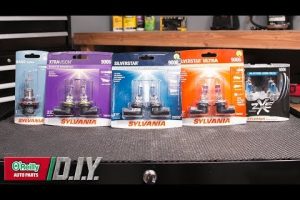




Automotive LED lights have revolutionized the way we think about vehicle illumination, safety, and aesthetics. Whether you are upgrading your daily driver’s headlights, adding LED light bars for off-road adventures, or simply replacing dim factory bulbs with modern LED alternatives, the shift from halogen and HID technology to light-emitting diode solutions is one of the most impactful upgrades a car owner can make today. This comprehensive guide dives deep into everything you need to know about automotive LED lighting—from the science behind how LEDs work, to the best applications, installation tips, and expert recommendations for choosing the right LED bulbs and accessories for your specific vehicle.

Why Automotive LED Lights Are Replacing Traditional Bulbs
The automotive lighting industry has undergone a massive transformation over the past decade. Traditional halogen bulbs and older HID xenon systems are rapidly being replaced by LED technology, and for good reason. LEDs consume significantly less power, produce dramatically more lumens per watt, and last far longer than conventional alternatives. When you compare a standard halogen headlight bulb that burns out every 500 to 1,000 hours against an automotive LED bulb rated for 30,000 to 50,000 hours, the longevity advantage becomes immediately clear.
Beyond longevity, LEDs emit light almost instantly without the warm-up delay associated with HID bulbs. This instant-on capability improves road safety, particularly in stop-and-go traffic and when activating emergency signals. The directional nature of LED emitters also means less wasted light, resulting in better beam patterns and improved visibility for drivers.
Key Advantages of LED Lighting for Vehicles
- Energy Efficiency: LEDs draw significantly less amperage than halogen or HID bulbs, reducing strain on your vehicle’s electrical system and improving fuel economy slightly over time.
- Instant Illumination: LEDs reach full brightness in microseconds, making them superior for brake lights, turn signals, and driving lights.
- Extended Lifespan: Quality automotive LED lights can last 30,000 to 50,000 hours or more, often outlasting the vehicle itself.
- Improved Beam Patterns: Modern LED projector-style emitters produce sharp, well-defined cutoffs that reduce glare for oncoming traffic while maximizing forward visibility.
- Reduced Heat Output: Unlike halogen bulbs that waste enormous energy as heat, LEDs run cooler, though they still require proper heat management through heatsinks and fans.
- Versatile Color Temperatures: LEDs are available in a wide range of color temperatures from warm 3,000K to cool 6,500K and beyond, allowing drivers to customize their lighting aesthetic.
Types of Automotive LED Lights and Their Applications
Understanding the different categories of automotive LED lights is essential for making informed purchasing decisions. Each application has unique requirements in terms of lumens, beam pattern, color temperature, and physical fitment.
LED Headlight Bulbs
LED headlight bulbs are the most popular upgrade in the automotive LED lighting market. These come in two main configurations: reflector-style bulbs that mimic halogen light distribution and projector-style bulbs designed for modern LED-optimized reflector housings. Popular bulb models include H4, H7, H11, 9005, 9006, and H1 formats. When shopping for LED headlight bulbs, pay close attention to lumens output, chip quality (such as Cree or Samsung LEDs), and whether the bulb includes a built-in fan or passive heatsink for thermal management.
LED Fog Lights and Driving Lights
Automotive LED fog lights are designed to cut through fog, rain, and snow with a wide, low-mounted beam pattern. Driving lights, on the other hand, project light further down the road and are ideal for highway travel and rural roads. Both applications benefit from the high lumen output and reliable performance of LED technology. Many LED fog light kits come with universal mounting brackets, making installation straightforward across different vehicle platforms.
LED Light Bars
LED light bars have become a staple for truck owners, Jeep enthusiasts, and off-road adventurers. These auxiliary lighting solutions range from single-row thin bars to aggressive six-row configurations capable of producing 10,000 to 40,000 lumens or more. Mounting options include roof racks, bull bars, grille guards, and bumper-mounted brackets. When choosing an LED light bar, consider beam type (spot, flood, or combo), IP rating for waterproof and dustproof durability, and voltage compatibility with your vehicle’s electrical system.
LED Tail Lights, Brake Lights, and Turn Signals
Upgrading to LED tail lights and brake lights is one of the simplest automotive LED upgrades available. LEDs illuminate faster than incandescent bulbs, which gives following drivers more reaction time and can also help prevent rear-end collisions. Many LED bulb replacements for factory tail light assemblies are plug-and-play, requiring no wiring modifications. Just be aware that some vehicles may require CANBUS resistors or decoder modules to prevent dashboard error messages caused by the lower power draw of LED bulbs.
How to Choose the Right Automotive LED Lights
Selecting the best automotive LED lights for your vehicle involves evaluating several critical factors beyond just lumens and price. Here is a detailed breakdown of what matters most:
- Color Temperature (Kelvin Rating): Most drivers prefer 5,000K to 6,000K for a clean white light that maximizes visibility. Higher Kelvin ratings (6,500K+) produce a blue tint that looks visually striking but can reduce actual visibility in adverse weather conditions.
- Lumens Output: More lumens does not always mean better performance. A well-engineered LED bulb with 4,000 lumens and an excellent beam pattern will outperform a poorly designed bulb with 8,000 lumens that creates dangerous glare.
- Thermal Management: Look for bulbs with aluminum heatsinks, copper thermal pads, and built-in cooling fans. Overheating is the number one cause of LED bulb failure in automotive applications.
- CANBUS Compatibility: Many modern vehicles use CANBUS systems that monitor bulb power draw. Non-CANBUS-compatible LED bulbs can trigger error codes on the dashboard. Always confirm CANBUS compatibility before purchasing.
- Build Quality and Waterproofing: For exterior applications, an IP67 or IP68 rating ensures the LED housing can withstand rain, mud, and harsh environmental conditions without failure.
- DOT or E-Mark Certification: For legal road use in many regions, look for automotive LED lights that meet Department of Transportation or E-Mark safety standards.
Comparison Table: LED vs. Halogen vs. HID Automotive Lighting
| Feature | Halogen | HID/Xenon | LED |
| Lifespan | 500–1,000 hours | 2,000–5,000 hours | 30,000–50,000 hours |
| Power Draw | High (55–100W) | Medium (35–55W) | Low (15–45W) |
| Lumens per Watt | Low | High | Very High |
| Instant On | Yes | No (delay) | Yes |
| Heat Output | Very High | High | Low to Moderate |
| Cost | Low | Medium | Medium to High |
| Retrofit Ease | Very Easy | Moderate | Easy to Moderate |

Installation Tips and Expert Recommendations
Installing automotive LED lights is generally straightforward, but there are a few critical steps that can make or break your experience. Always disconnect your vehicle’s battery before beginning any electrical work to prevent short circuits. When replacing headlight bulbs, avoid touching the glass dome of the LED bulb with bare hands, as skin oils can create hot spots that reduce LED lifespan and cause premature failure. Use gloves or a clean microfiber cloth during installation.
For LED light bars and auxiliary driving lights, proper aiming is essential. Even the highest-quality LED light bar will cause glare and reduce your effectiveness if it is pointed too high or aimed incorrectly. Most mounting brackets allow for vertical and horizontal adjustment, so take the time to aim your lights at a flat surface (like a garage door) at the correct distance specified by your vehicle’s lighting regulations.
If you are retrofitting LED bulbs into halogen housings, consider the beam pattern carefully. Many aftermarket LED bulbs produce excellent raw output but suffer from poor beam cutoff in reflector-type housings designed for halogen filaments. In these cases, an LED conversion may create glare for oncoming drivers, which could be dangerous and potentially illegal. For the best results, pair LED bulbs with LED-optimized reflector housings or projector lenses.
Common Mistakes to Avoid When Upgrading to Automotive LED Lights

- Ignoring Heat Management: Cheap LED bulbs without adequate cooling will overheat and fail prematurely, sometimes within weeks of installation.
- Buying Based on Lumens Alone: A high lumen number means nothing if the beam pattern is scattered, unfocused, or creates dangerous glare.
- Skipping CANBUS Decoders: This is one of the most common installation mistakes. If your vehicle displays error messages after bulb replacement, a CANBUS resistor or decoder module will solve the problem.
- Using Non-Motoring Rated LEDs: LED bulbs designed for household use will not withstand the vibration, temperature fluctuations, and weather exposure of automotive environments.
- Overlooking Legal Compliance: Some jurisdictions regulate auxiliary LED light bars and aftermarket headlight bulbs. Check your local laws before installing off-road or high-output lighting systems.
The Future of Automotive LED Lighting Technology
The future of automotive LED lighting is incredibly exciting. Matrix LED systems, which use dozens of individually controlled LED segments to dynamically adjust the beam pattern and avoid blinding oncoming traffic, are already appearing in premium vehicles. Micro-LED technology promises even higher efficiencies and smaller form factors that could completely reshape vehicle lighting design. Adaptive driving beam (ADB) systems powered by LEDs are setting new standards for both safety and energy efficiency in modern automobiles. As production costs continue to decrease and chip efficiency improves, automotive LED lights will become the universal standard across all vehicle segments—from economy cars to heavy-duty trucks.
Conclusion
Automotive LED lights represent the gold standard in vehicle illumination technology today. Whether you are enhancing visibility with high-performance LED headlight bulbs, adding a rugged LED light bar for off-road capability, or simply upgrading your vehicle’s tail lights for better safety and appearance, the benefits of LED technology are undeniable. By understanding the different types, choosing quality products with proper thermal management and beam optimization, and following correct installation practices, you can transform your vehicle’s lighting with confidence. Invest in automotive LED lights that match your specific needs, vehicle compatibility, and legal requirements, and you will enjoy safer, brighter, and more efficient driving for years to come.
Frequently Asked Questions
What are the best automotive LED lights for trucks and SUVs?
The best automotive LED lights for trucks and SUVs typically include high-output LED headlight bulbs with fan-assisted cooling, 20 to 30-inch LED light bars with combo beam patterns for off-road use, and CANBUS-compatible LED tail light bulbs. Look for brands that offer IP67 waterproof ratings, automotive-grade LED chips, and mounting hardware compatible with your specific vehicle platform.
How do I know if my LED bulbs are CANBUS compatible?
CANBUS-compatible automotive LED lights include built-in resistors or decoders that mimic the power draw of traditional halogen bulbs. Check the product description for explicit CANBUS compatibility claims, and read customer reviews for your specific vehicle make and model. If your vehicle shows dashboard error messages after LED installation, adding an external CANBUS decoder resolver will typically fix the issue.
Are LED light bars legal for road use?
Legality varies by jurisdiction, but most regions allow LED light bars on off-road and private property. For road use, auxiliary lights are typically regulated regarding height above ground, color (white or amber is usually permitted), and brightness. Always check your local and state/provincial vehicle lighting laws before installing and operating LED light bars on public roads.
What color temperature is best for automotive LED headlights?
Most automotive experts recommend LED headlights in the 5,000K to 6,000K range, which produces a crisp white light that closely mimics natural daylight and maximizes both visibility and contrast. Color temperatures above 6,500K begin to produce a noticeable blue tint that can reduce effective visibility, particularly in rain, fog, and low-light conditions.
Can I install automotive LED lights myself, or do I need a professional?
Most automotive LED light installations are designed for DIY completion. LED headlight bulb replacements, tail light swaps, and interior LED upgrades typically require no special tools and can be completed in 15 to 45 minutes. LED light bar installations may require wiring harnesses, relays, and switch installations, which beginners can handle with basic mechanical knowledge and a wiring diagram for their specific vehicle.
How long do automotive LED lights typically last?
Quality automotive LED lights are rated for 30,000 to 50,000 hours of operation, which translates to approximately 10 to 15 years of typical daily driving use. Actual lifespan depends on thermal management, voltage stability, and driving conditions. LED bulbs exposed to excessive moisture, extreme heat without proper heatsinking, or electrical surges may fail sooner than rated.