


When it comes to designing a functional and visually appealing bathroom, the right bathroom ceiling light can make all the difference between a space that feels flat and uninspiring and one that radiates warmth, clarity, and style. Your bathroom ceiling light serves a dual purpose — it provides essential task illumination for daily grooming routines while also setting the mood and ambiance of the entire room. Whether you are renovating an existing bathroom or building a new one from the ground up, choosing the perfect ceiling light fixture requires careful consideration of factors like moisture resistance, light temperature, placement, and overall design aesthetic. In this comprehensive guide, we will walk you through everything you need to know about selecting, installing, and optimizing bathroom ceiling lighting for maximum impact and functionality.
Why Your Bathroom Ceiling Light Matters More Than You Think
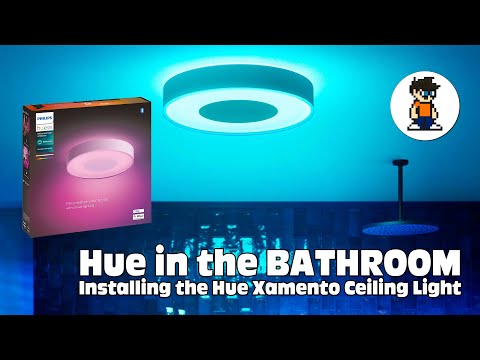
Many homeowners underestimate the importance of proper bathroom lighting, settling for whatever bulb happens to fit the existing socket. However, the bathroom is one of the most moisture-prone rooms in any home, and it demands lighting solutions that are specifically engineered to handle humidity, steam, and splashes. A poorly chosen bathroom ceiling light can lead to premature fixture failure, safety hazards, and uneven illumination that makes tasks like shaving or applying makeup unnecessarily difficult.
Beyond functionality, your bathroom ceiling light is often the first thing guests notice when they step inside. It frames the entire room and anchors the visual hierarchy of the space. A well-selected fixture elevates the aesthetic appeal of your bathroom, complementing your tiles, vanity, and fixtures with purpose-built design coordination.
Key Functions of Bathroom Ceiling Lighting
Understanding what a bathroom ceiling light needs to accomplish helps narrow down your options significantly:
- General Ambient Illumination: Provides uniform light across the entire room, eliminating dark corners and shadows.
- Task Lighting Support: Works alongside vanity mirrors and under-cabinet fixtures to ensure clear visibility for grooming.
- Moisture Protection: Prevents water vapor, condensation, and occasional splashes from damaging the electrical components.
- Visual Enhancement: Highlights architectural features, accent walls, or decorative elements in the bathroom.
- Energy Efficiency: Modern LED bathroom ceiling options consume significantly less power while delivering superior brightness.
Types of Bathroom Ceiling Lights: Finding the Right Fit
The market for bathroom ceiling lighting has expanded dramatically in recent years, giving homeowners an impressive range of styles, technologies, and configurations. Let us break down the most popular types of bathroom ceiling light fixtures so you can make an informed decision based on your space, budget, and design preferences.
Recessed Ceiling Lights
Recessed bathroom ceiling lights, also known as can lights or downlights, sit flush within the ceiling surface, creating a sleek, minimalist look that is incredibly popular in modern bathroom designs. They are ideal for smaller bathrooms where a pendant or flush-mount fixture might consume valuable headroom. When selecting recessed options, always verify the IP (Ingress Protection) rating — an IP44 rating is the minimum standard for zones within a bathroom, while IP65 or higher is recommended for areas directly exposed to water jets.
Flush-Mount Ceiling Fixtures
Flush-mount bathroom ceiling lights attach directly to the ceiling with minimal protrusion, making them a practical choice for bathrooms with low ceilings. They come in a wide variety of designs, from simple geometric domes to ornate frosted glass panels. Flush-mount fixtures are among the most versatile bathroom light options because they distribute light evenly in all directions without creating harsh downward shadows.

Pendant Lights and Chandeliers
For larger bathrooms or master en-suites, pendant lights and chandeliers can serve as dramatic focal points. However, these fixtures must be installed with careful attention to clearance from water sources and should only be used in zones that are not directly exposed to water spray. Always pair a pendant bathroom ceiling light with a damp-rated or wet-rated housing to ensure longevity.
LED Ceiling Panels and Light Bars
LED bathroom ceiling panels and linear light bars represent the cutting edge of bathroom illumination technology. They offer excellent color rendering, slim profiles, and the ability to install dimmable or color-temperature-adjustable lighting. These fixtures are particularly well-suited for contemporary and minimalist bathroom ceiling light designs.
How to Choose the Best Bathroom Ceiling Light for Your Space
Selecting the right bathroom ceiling light involves balancing technical specifications with your personal style. Here are the critical factors that every homeowner should evaluate before making a purchase.
IP Rating and Moisture Protection
The IP rating system is non-negotiable when dealing with bathroom lighting. This rating tells you exactly how well a fixture resists water and dust ingress:
- IP44: Protected against splashing water from any direction — suitable for general bathroom zones.
- IP54: Dust-protected and splash-resistant — a solid choice for most bathroom areas.
- IP65: Protected against water jets — ideal for shower zones and areas near bathtubs.
- IP67/IP68: Fully submersible protection — reserved for wet zones with direct water exposure.
Never install a fixture with an inadequate IP rating in a bathroom. Moisture damage to electrical components is not only expensive to repair but also poses serious safety risks.
Light Temperature and Color Rendering
The color temperature of your bathroom ceiling light dramatically affects how you see yourself in the mirror and how the space feels overall. For bathroom applications, a color temperature between 3000K and 4000K is widely recommended. Warm white (3000K) creates a relaxing, spa-like atmosphere, while neutral white (4000K) provides crisp, accurate color rendering that is ideal for grooming tasks. The Color Rendering Index (CRI) should be 80 or above to ensure that makeup application and shaving are accurate under the light.
Size and Ceiling Height Considerations
Matching the scale of your bathroom ceiling light to the room dimensions is essential. A general rule of thumb is to add the room’s length and width in feet, then convert that sum to inches — this gives you the ideal fixture diameter. For example, a bathroom measuring 8 feet by 10 feet should feature a fixture approximately 18 inches in diameter. Low-ceiling bathrooms benefit from flush-mount or semi-recessed designs, while vaulted ceilings can accommodate larger pendant or chandelier-style bathroom ceiling lights.
Dimmability and Smart Controls
Upgrading to a dimmable bathroom ceiling light transforms the functionality of your space. Dimmers allow you to adjust brightness for different occasions — full brightness for morning grooming and softer light for evening relaxation. Many modern LED bathroom ceiling fixtures are compatible with smart home ecosystems like Alexa, Google Home, and Apple HomeKit, enabling voice control, scheduling, and remote adjustments.
Placement Strategies for Optimal Bathroom Lighting
Where you position your bathroom ceiling light significantly impacts the quality and distribution of illumination throughout the room. Poor placement can result in harsh shadows, dark zones, or glare that compromises both comfort and safety.
- Center the fixture for symmetry: Placing the bathroom ceiling light in the center of the room provides balanced ambient lighting. This works best in square or rectangular bathrooms where the fixture aligns with the room’s central axis.
- Offset toward the vanity area: If your bathroom has a dedicated grooming zone, consider positioning the main ceiling light slightly closer to the vanity to provide stronger illumination where it is needed most. Combine this with a separate mirror light for complete coverage.
- Avoid placing lights directly above the shower: While moisture-rated fixtures can handle steam, direct overhead positioning in the shower zone creates an uncomfortable downward glare during bathing. Instead, use wall-mounted sconces or recessed lights angled away from the shower area.
- Consider the bathtub zone carefully: If your bathroom includes a bathtub, ensure the bathroom ceiling light is positioned so that the light beam does not shine directly into the water, which can create distracting reflections and glare.
Comparison: Best Bathroom Ceiling Light Types by Room Size
| Room Size | Best Fixture Type | Recommended Wattage | IP Rating | Style Tip |
| Small (under 40 sq ft) | Flush-mount or single recessed downlight | 15–25W LED | IP44 minimum | Choose white or neutral finishes to keep the space feeling open |
| Medium (40–80 sq ft) | Multi-light recessed array or semi-flush mount | 25–40W LED equivalent | IP44 minimum | Use dimmable fixtures for flexible lighting control |
| Large (over 80 sq ft) | Chandelier, large flush-mount, or linear LED light bar | 40–60W LED equivalent | IP44 to IP65 depending on zone | Layer with wall sconces and vanity lighting for full coverage |
Expert Tips for Installing and Maintaining Bathroom Ceiling Lights
Even the most premium bathroom ceiling light will underperform if installation and maintenance are neglected. Follow these expert recommendations to get the most out of your investment.
- Always turn off the circuit breaker before beginning any electrical work. Bathroom electrical installations should comply with local building codes, and hiring a licensed electrician is strongly recommended for anyone without electrical experience.
- Use junction boxes rated for bathroom use. Standard junction boxes may not provide adequate support or moisture protection for bathroom fixtures.
- Seal all penetrations with silicone caulk around the fixture housing to prevent moisture from seeping into ceiling cavities and causing mold or structural damage.
- Clean your bathroom ceiling light regularly. Steam and humidity cause mineral buildup on glass and plastic diffusers, which gradually dims light output. A gentle wipe with a vinegar solution keeps fixtures looking and performing their best.
- Replace bulbs promptly when they dim. LED bathroom ceiling lights can lose brightness as they age, and uneven illumination across the room creates an unflattering and uninviting atmosphere.
- Check the manufacturer’s warranty for guidance on maintenance schedules and recommended replacement intervals for components like drivers and diffusers.
Trends in Bathroom Ceiling Lighting for 2024 and Beyond
The bathroom ceiling light industry is evolving rapidly, driven by advances in LED technology, smart home integration, and design innovation. Several trends stand out as defining the current landscape:
- Tunable White Technology: Fixtures that allow users to shift between warm and cool color temperatures throughout the day, mimicking natural light cycles and supporting circadian health.
- Minimalist Geometric Designs: Clean lines, circular and square profiles, and matte black or brushed nickel finishes dominate contemporary bathroom light preferences.
- Integrated Smart Sensors: Motion-activated and occupancy-sensing bathroom ceiling lights that automatically turn on when someone enters and off when the room is vacant, improving convenience and energy savings.
- Anti-Fog and Heated Diffuser Options: Some premium LED bathroom ceiling fixtures now incorporate anti-fog technology for the ceiling area above steamy showers, maintaining clear light output without manual wiping.
Conclusion
Your bathroom ceiling light is far more than a simple utility fixture — it is a cornerstone of bathroom design that influences safety, comfort, aesthetics, and energy consumption on a daily basis. By understanding the different types of bathroom ceiling light options available, paying close attention to IP ratings and placement strategies, and staying informed about the latest lighting trends, you can transform your bathroom into a space that is both beautifully illuminated and functionally excellent. Whether you prefer the clean simplicity of recessed downlights, the elegance of a flush-mount panel, or the statement-making presence of a chandelier, the key is to choose a fixture that balances form, function, and durability. Invest in quality bathroom lighting, and your daily routine — and your guests’ experience — will reflect that decision every single time you walk through the door.
Frequently Asked Questions
What is the best bathroom ceiling light for a small bathroom?
For small bathrooms, a single flush-mount LED fixture or a small recessed downlight array works best. These options maximize headroom while providing even, shadow-free illumination. Look for fixtures rated at IP44 or higher and choose a light temperature between 3000K and 4000K for the most flattering and functional results in compact spaces.
Can I install a bathroom ceiling light myself?
While experienced DIYers can handle straightforward flush-mount or recessed fixture replacements, any new electrical circuit or junction box installation in a bathroom should be performed by a licensed electrician. Bathroom environments involve both water exposure and specific building code requirements that make professional installation the safest and most reliable choice.
What IP rating do I need for a bathroom ceiling light?
The minimum IP rating for a bathroom ceiling light is IP44, which protects against splashing water from any direction. For fixtures installed inside shower zones or above bathtubs, an IP65 rating is recommended to provide protection against water jets. Always check the manufacturer’s specifications against your bathroom’s specific zoning requirements.
How bright should my bathroom ceiling light be?
A bathroom ceiling light should deliver approximately 30 to 40 lumens per square foot of space. For a standard 50-square-foot bathroom, this translates to roughly 1,500 to 2,000 lumens. Using LED fixtures with 4000K color temperature and a CRI of 80 or higher ensures both adequate brightness and accurate color representation for grooming tasks.
Are LED bathroom ceiling lights worth the investment?
Absolutely. LED bathroom ceiling lights consume up to 80% less energy than traditional incandescent bulbs, last significantly longer (often 25,000 to 50,000 hours), produce less heat, and are available in a far wider range of styles and color temperatures. The upfront cost is slightly higher, but the long-term savings in energy bills and replacement frequency make LEDs the clear choice for any modern bathroom.