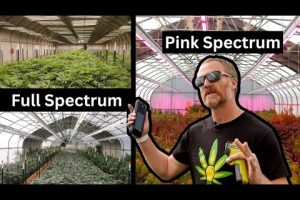



If you have ever wondered why certain plants thrive year-round in commercial greenhouses while your backyard garden struggles through short winter days, the answer often comes down to one critical component — the greenhouse lamp. Also known as a grow light or supplemental lighting system, a greenhouse lamp does far more than simply illuminate a growing space. It replicates the sun’s natural spectrum, drives photosynthesis, and ultimately determines whether your plants flourish or fail. Whether you are a hobbyist managing a small backyard grow tent or a commercial operation overseeing acres of protected cultivation, choosing the right lighting setup can transform your results entirely.

In this comprehensive guide, we will explore every facet of greenhouse lighting — from the different lamp technologies available and how to select the correct spectrum and wattage, to practical installation tips and common mistakes that even experienced growers make. By the time you finish reading, you will have a clear roadmap for building a lighting strategy that maximizes yield, conserves energy, and keeps your plants healthy through every season.
What Is a Greenhouse Lamp and Why Does It Matter?
A greenhouse lamp is an artificial light source designed to provide the specific wavelengths of light that plants need for photosynthesis, growth, and flowering. While natural sunlight remains the gold standard, greenhouse environments often fall short — especially during cloudy days, short winter months, or in northern climates where daylight hours can drop to as few as eight per week. Supplemental greenhouse lighting bridges this gap, ensuring that plants receive a consistent photoperiod and the right light intensity, measured in micromoles per square meter per second (µmol/m²/s), also known as photosynthetic photon flux density (PPFD).
Without adequate supplemental lighting, many plants enter a dormant or semi-dormant state, stunting their growth and delaying fruiting. For commercial growers, this translates directly into lost revenue and extended crop cycles. For home gardeners, it means smaller harvests and weaker, leggy plants that struggle to reach their genetic potential.
Key Factors That Determine Lamp Effectiveness
Not every greenhouse lamp performs equally, and understanding the variables that affect light performance is essential before making a purchase decision:
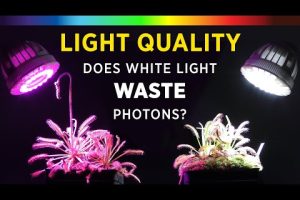
- Spectrum: Plants primarily use blue light (400–500 nm) for vegetative growth and red light (600–700 nm) for flowering and fruiting. A quality greenhouse lamp should offer a balanced full spectrum or be tunable to match the growth phase.
- PPFD and DLI: Daily Light Integral measures the total amount of light a plant receives over 24 hours. Different crops have different DLI requirements — lettuce needs around 12 mol/m²/day, while tomatoes require 20–30 mol/m²/day.
- Wattage and Coverage Area: Higher wattage does not always mean better results. The efficiency of the lamp, measured in micromoles per joule (µmol/J), matters far more than raw wattage alone.
- Heat Output: Excessive heat from grow lights can scorch leaves, increase humidity, and force cooling systems to work harder, driving up energy costs.
Types of Greenhouse Lamps Available
The greenhouse lighting market has evolved dramatically over the past decade. Today, growers have access to several distinct lamp technologies, each with unique advantages and trade-offs. Understanding these differences is the first step toward making an informed investment.
LED Greenhouse Grow Lights
LED (Light Emitting Diode) grow lights have rapidly become the industry standard for modern greenhouse operations, and for good reason. They are energy efficient, durable, and offer precise spectral control that older technologies simply cannot match.
- Energy efficiency typically ranges from 2.0 to 3.5 µmol/J, with top-tier models exceeding 3.5 µmol/J.
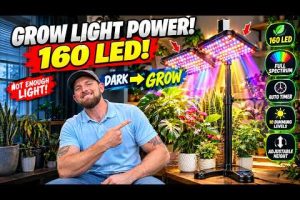
- Full-spectrum LED fixtures can be tuned for vegetative growth, flowering, or cloning stages.
- Lifespan commonly exceeds 50,000 hours, reducing replacement costs significantly.
- Low heat output allows lamps to be positioned closer to the canopy without risking photodamage.
For most greenhouse growers in 2024 and beyond, LED lamps represent the best balance of performance, longevity, and return on investment. Brands like Samsung LM301B and LM301H diodes have become benchmarks in the industry for high-efficiency light output.
High-Intensity Discharge (HID) Lamps
HID lamps, which include both Metal Halide (MH) and High-Pressure Sodium (HPS) variants, have been the backbone of greenhouse lighting for decades. They produce intense light that penetrates deep into dense canopies, making them particularly popular among commercial flower and vegetable growers.
- MH lamps emit a blue-rich spectrum ideal for vegetative growth.
- HPS lamps produce a red-heavy spectrum that encourages flowering and fruit set.
- These lamps run hotter than LEDs, requiring additional ventilation or hanging height adjustments.
- HID systems are generally less expensive upfront but cost more to operate over time due to lower energy efficiency.
Fluorescent Grow Lights
Fluorescent greenhouse lamps — including T5 and T8 tube fixtures and compact fluorescent lamps (CFLs) — are an excellent choice for beginners and small-scale growers. They are affordable, produce relatively little heat, and provide a gentle, broad-spectrum light that works well for seedlings, clones, and leafy greens.
- Best suited for low-light crops such as herbs, lettuce, and microgreens.
- Less effective for high-light demanding plants like tomatoes, peppers, and cannabis.
- Compact size makes them ideal for shelving units, propagation benches, and small grow tents.
How to Choose the Right Greenhouse Lamp for Your Setup
Selecting the right greenhouse grow light involves matching your lamp to your specific growing environment, crop type, and budget. Here is a step-by-step framework to guide your decision.
- Assess Your Available Light: Use a quantum sensor or PAR meter to measure the natural light your greenhouse receives during the darkest weeks of the year. This baseline determines how much supplemental light you need to add.
- Identify Your Crop Requirements: Leafy greens and herbs require lower PPFD levels (200–400 µmol/m²/s), while fruiting crops like tomatoes, cucumbers, and strawberries need 600–1,000 µmol/m²/s.
- Calculate Coverage Area: Divide your greenhouse footprint by the coverage area per fixture, accounting for light overlap and mounting height.
- Set a Budget: Compare upfront costs against long-term operating costs. LEDs cost more initially but save significantly on electricity and replacement over a 5–10 year period.
- Consider Dimmability and Controls: Advanced greenhouse lamp systems allow you to adjust intensity and spectrum throughout the day and across growth stages, optimizing both energy use and plant development.
Greenhouse Lamp Comparison: LED vs. HID vs. Fluorescent
The table below provides a side-by-side comparison of the three primary greenhouse lamp types to help you weigh your options at a glance.
| Feature | LED | HID (MH/HPS) | Fluorescent (T5/T8) |
| Energy Efficiency | High (2.5–3.5+ µmol/J) | Moderate (1.0–1.7 µmol/J) | Moderate (1.0–1.5 µmol/J) |
| Lifespan | 50,000+ hours | 10,000–24,000 hours | 10,000–20,000 hours |
| Upfront Cost | Higher | Moderate | Lower |
| Heat Output | Low | High | Low to Moderate |
| Spectral Control | Excellent (tunable) | Limited (fixed per bulb type) | Moderate |
| Best For | All crop types, commercial and home | Flowering/fruiting crops, large operations | Seedlings, clones, leafy greens |
| Maintenance | Minimal | Bulb replacement needed | Occasional bulb replacement |
Expert Tips for Maximizing Growth with Greenhouse Lamps
Even the best greenhouse lamp will underperform if it is not installed and managed correctly. Here are proven strategies that experienced growers use to extract maximum value from their lighting investment.

1. Optimize Hanging Height. LED fixtures with low heat output can be mounted closer to the canopy — typically 12 to 24 inches above the plant tops — which increases PPFD uniformity. HID lamps should hang higher, usually 24 to 48 inches, to prevent leaf burn and excessive canopy temperatures.

2. Implement a Light Schedule. Most vegetative plants thrive on an 18/6 light cycle (18 hours on, 6 hours off), while flowering plants often perform best under a 12/12 cycle. Using a programmable timer or smart controller ensures consistency and prevents light stress.
3. Use Reflective Surfaces. Line the interior walls of your greenhouse with Mylar or white reflective paint. This simple modification can increase effective light distribution by 20–30%, reducing the number of fixtures needed.
4. Monitor and Adjust. Invest in a PAR meter or use a smartphone app with a quantum sensor attachment. Periodically measure light levels across your growing area and adjust fixture positions or intensity to eliminate dark spots or light burn zones.
5. Pair Lighting with Climate Control. Supplemental lighting increases both light and heat in your greenhouse. Ensure your ventilation, fans, and shade cloth systems are capable of managing the additional thermal load to maintain an optimal growing temperature of 65–85°F (18–29°C).
Common Mistakes to Avoid When Using Greenhouse Lamps
Even seasoned growers occasionally fall into traps with their greenhouse lighting. Here are the most common mistakes and how to avoid them:
- Overlapping light coverage without adjusting intensity — this creates hot spots that can burn plants and waste electricity.
- Ignoring the light spectrum during different growth phases — plants need different wavelengths during veg versus flower stages.
- Underestimating heat management — HID lamps in an enclosed greenhouse can spike temperatures dangerously, especially in summer.
- Buying based on wattage alone — a 1,000-watt lamp with poor efficiency delivers less usable light than a 600-watt high-efficiency LED fixture.
- Neglecting routine maintenance — dust accumulation on fixtures reduces light output by up to 15% over time. Clean lamps and reflectors regularly.
Frequently Asked Questions About Greenhouse Lamps
How many hours per day should I run my greenhouse grow light? Most plants benefit from 12 to 16 hours of supplemental light per day during the vegetative phase, and 10 to 12 hours during flowering. The exact duration depends on the crop species, the natural light available in your greenhouse, and the target DLI for that particular plant. Always observe your plants for signs of light stress — bleached leaves, curling edges, or stunted growth — and adjust accordingly.
Can I use a regular household LED bulb as a greenhouse lamp? While standard household LED bulbs will technically provide light for plants, they lack the specific spectrum and intensity required for robust growth. Commercial greenhouse lamps are engineered to deliver the exact photosynthetic wavelengths plants need, along with the photon flux density necessary to drive meaningful growth and flowering.
What is the difference between a greenhouse lamp and an indoor grow light? Greenhouse lamps are specifically designed to supplement natural sunlight, meaning they operate during daylight hours to fill spectral or intensity gaps. Indoor grow lights serve as the sole light source in fully enclosed environments and are typically more powerful per fixture. The key distinction is that greenhouse lamps must integrate with ambient light conditions, requiring dimming capabilities and spectrum flexibility.
How do I calculate the right wattage for my greenhouse size? A general rule of thumb is to provide 20–50 watts of actual power draw per square foot for LED fixtures, depending on the crop. For leafy greens, 20–30 watts per square foot is sufficient. For fruiting crops like tomatoes and peppers, aim for 40–50 watts per square foot. Always refer to the manufacturer’s recommended coverage area and PPFD map for the specific fixture.
Do greenhouse lamps increase electricity bills significantly? This depends on the technology you choose. LED greenhouse lamps consume 40–60% less electricity than equivalent HID systems for the same light output. Over a full growing season, the energy savings from switching to LED can offset the higher upfront cost within one to two seasons, making it a financially sound decision for most growers.
Conclusion
The right greenhouse lamp is not a luxury — it is a foundational investment that directly impacts plant health, yield quality, and overall profitability. Whether you choose a full-spectrum LED system, a proven HID setup, or a compact fluorescent fixture for a smaller operation, the key is to match your lighting strategy to the specific needs of your crops and your growing environment. By understanding spectrum, PPFD, energy efficiency, and proper installation practices, you can create a lighting environment that allows your plants to thrive regardless of the season or weather outside. Start with the basics, monitor your results closely, and refine your setup over time — your plants will reward you with stronger growth, better harvests, and a more sustainable greenhouse operation.