


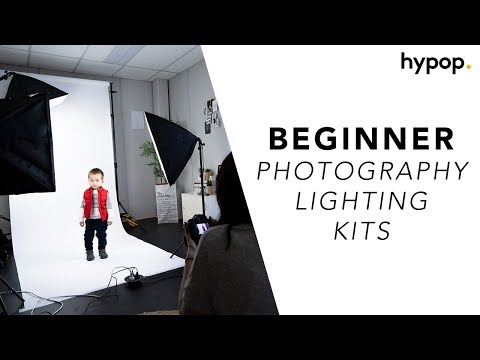
When it comes to professional photography, few investments deliver as much impact as high-quality studio lights. Whether you are shooting portraits, product photography, or commercial campaigns, the right lighting setup can transform flat, uninspiring images into visually stunning works of art. But with so many options flooding the market—from compact LED panels to powerful strobe systems—choosing the best studio lights for photography can feel overwhelming. That is exactly why we put together this comprehensive guide. We will walk you through the different types of studio lighting, highlight top-rated models for every skill level, and share expert tips to help you build a lighting rig that truly elevates your work.
Why Studio Lighting Matters for Photography
Natural light is beautiful, but it is unpredictable. Cloud cover changes, the sun shifts, and indoor environments rarely offer the consistency you need for repeatable results. Studio lights give you complete control over intensity, direction, color temperature, and shadow quality. This control is what separates amateur snapshots from polished, publication-ready photographs. Investing in dedicated photo studio lighting also means you can shoot at any time of day, in any weather, without worrying about harsh midday shadows or dim evening conditions.
Beyond consistency, proper lighting shapes the mood and depth of your images. A well-placed key light creates dimension on a subject’s face, while fill lights eliminate distracting shadows. Rim lights separate your subject from the background, adding a professional, cinematic quality. These techniques are foundational in portrait, fashion, and e-commerce photography, making studio strobes and continuous lights essential tools rather than luxuries.
Types of Studio Lights for Photography
Understanding the major categories of studio lighting is the first step toward making an informed purchase. Each type serves different purposes, and many photographers eventually use a combination of several.

Continuous Lights vs. Flash and Strobe Systems
Continuous studio lights, including LED panels and tungsten fixtures, stay on constantly so you can see exactly how light falls on your subject in real time. This makes them ideal for beginners learning lighting ratios and for videographers who need consistent illumination. Flash and strobe systems, on the other hand, deliver a burst of intense light when triggered. They are more powerful, freeze motion more effectively, and produce a distinctive, high-contrast look favored in fashion and commercial work.
LED Panels and Light Stands
LED light panels have surged in popularity because they are energy-efficient, run cool, and offer adjustable color temperatures. Many modern LED panels support bi-color or full RGB tuning, letting you match ambient light or create creative colored effects. Brands like Aputure, Godox, and Nanlite lead the pack with panels that balance portability and output, making them versatile for both studio and on-location shoots.
Softboxes, Umbrellas, and Light Modifiers
No lighting setup is complete without modifiers. Softboxes diffuse light through a translucent front panel, creating soft, even illumination that minimizes harsh shadows. Umbrellas bounce light broadly and are excellent for filling large areas quickly. Snoots, grids, and beauty dishes shape light more precisely, adding drama or a flattering wrap to portraits. Investing in a quality modifier kit is just as important as choosing your light source.
Best Studio Lights for Beginners
If you are just starting out, you need lighting that is affordable, easy to set up, and forgiving while you learn the fundamentals. Here are our top recommendations for entry-level photographers:
- Godox SL-60W — A highly affordable bi-color LED panel producing up to 60W of output. It features built-in controls for brightness and color temperature, making it a fantastic first light for portrait and product work.
- Neewer 660 LED Video Light Panel — Often sold in budget kits with stands and softboxes, these panels offer excellent value and are widely available. They are perfect for learning lighting placement without a significant financial commitment.
- Godox ML60 AC/DC Bi-Color LED Light — A step up in versatility with 60W output, full RGB capability, and wireless control via the Godox app. Great for beginners who want room to grow.
These options give you enough power and flexibility to experiment with three-point lighting setups, learn about diffusion, and start building your portfolio without overspending.

Best Mid-Range Studio Lighting Kits
Once you have mastered the basics, upgrading to a mid-range kit unlocks significantly more power, faster recycle times, and advanced features. This tier is where most serious hobbyists and emerging professionals settle.
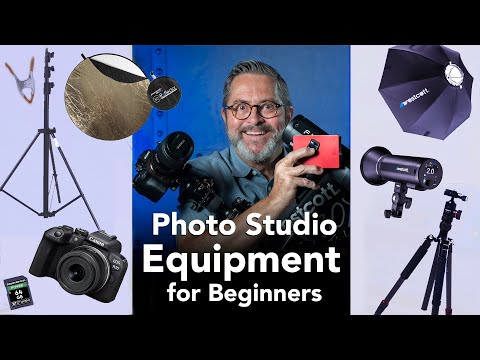
- Godox AD200 Pro — A portable strobe delivering 200Ws of power with built-in wireless X system. It doubles as a speedlight and works beautifully with various modifiers. Photographers love it for its versatility and portability.
- Godox AD400Pro — Four times the power of the AD200 Pro, this strobe handles larger studios and outdoor location work with ease. It is a workhorse for wedding photographers and portrait specialists.
- Aputure 300d Mark II — A popular bi-color LED light offering 300W of output with full RGB capability. It is a favorite among content creators and videographers transitioning into photography.
Mid-range kits typically include light stands, softboxes, and triggers, giving you a complete starter studio at a reasonable price point.
Professional-Grade Studio Lighting Options
For seasoned professionals and high-end commercial studios, lighting needs go beyond affordability and convenience. Reliability, output precision, and advanced control are non-negotiable. Here are the top-tier options that deliver studio-grade performance:
- Aputure 600d Pro — A powerhouse LED light delivering 600W of output with full spectrum, high CRI, and TLCI ratings. It is widely used in commercial fashion and advertising work where color accuracy is paramount.
- Profoto B10X Plus — A monolithic strobe offering 250Ws of power with exceptional build quality and seamless wireless integration with Profoto’s ecosystem. It is the gold standard for high-end portrait and fashion photographers.
- Elinchrom ELC Pro — Known for superb color consistency and fast recycle times, Elinchrom strobes are favored in European fashion and editorial studios. Their compact design and reliable performance make them a professional favorite.
These systems are investments, but they pay dividends in image quality, workflow speed, and client satisfaction. Professional studios rely on them for thousands of shoots per year without compromise.
Comparison Table: Best Studio Lights at a Glance
| Light | Type | Output | Best For | Price Range |
| Godox SL-60W | LED Panel | 60W | Beginner portraits and video | Budget-friendly |
| Godox AD200 Pro | Strobe | 200Ws | Versatile mid-range work | Mid-range |
| Aputure 300d Mark II | LED | 300W | Content creators and hybrid shooters | Mid-to-high |
| Aputure 600d Pro | LED | 600W | Commercial and fashion | Premium |
| Profoto B10X Plus | Strobe | 250Ws | High-end portrait and studio | Premium |
| Elinchrom ELC Pro | Strobe | 500Ws | Professional editorial and fashion | Premium |
Expert Tips for Setting Up Your Photography Lighting
Owning the best studio lights means little if you do not know how to use them effectively. Here are proven techniques that will immediately improve your results:
- Start with the inverse square law. Light intensity drops dramatically as distance increases. Moving your light just a few feet closer to your subject can change exposure significantly, giving you fine control over the lighting ratio.
- Use a light meter. Even experienced photographers benefit from handheld incident meters. They remove guesswork and ensure your key, fill, and background lights are balanced precisely.
- Shoot through diffusion. Adding a diffusion panel or shooting through a white bedsheet softens hard shadows and creates a more flattering, professional look on skin tones.
- Pay attention to color temperature. Mixing daylight-balanced and tungsten-balanced lights creates color casts that are difficult to correct in post. Stick to one consistent color temperature across your setup, or use gels to match.
- Invest in stands and sandbags. A tall, sturdy light stand with a secure sandbag base is essential for safety, especially with heavier strobes and modifiers.
Frequently Asked Questions
What are the best studio lights for beginner portrait photography?
The Godox SL-60W LED panel and the Godox AD200 Pro strobe are widely regarded as the best starting points for beginner portrait photographers. Both offer adjustable output, reliable build quality, and compatibility with a wide range of light modifiers, making them perfect for learning fundamental lighting techniques like Rembrandt, butterfly, and split lighting setups.
How many studio lights do I need to get started?
Most photographers begin with a single key light and add fill light and background light as their skills develop. A minimum of two lights—a key and a fill—covers approximately 80% of portrait and product shoots. Adding a third light for rim or accent effects gives you professional-level control over depth and separation in your images.
What is the difference between a studio strobe and a continuous LED light?
Studio strobes release a powerful burst of light when triggered, freezing motion and allowing you to use lower ISO settings for cleaner images. Continuous LED lights remain on, making it easier to visualize shadows and highlights before shooting. LEDs are generally more versatile for video work, while strobes excel in still photography, especially in controlled studio environments.
Do I need expensive modifiers to achieve good studio lighting?
Not necessarily. A basic white umbrella or a DIY reflector can produce excellent results when paired with a quality light source. However, as you advance, investing in professional softboxes, beauty dishes, and grids allows you to shape light with precision, achieving the specific mood and quality that commercial and editorial clients expect.
Can I use battery-powered studio lights for outdoor photography?
Absolutely. Battery-powered LED panels like the Aputure MC or Godox ML60 are specifically designed for on-location work. They offer portability and consistent output, making them excellent complements to your studio kit for outdoor portraits, environmental portraits, and travel photography projects.
Final Thoughts and Recommendations
Choosing the best studio lights for photography is not about buying the most expensive option—it is about finding the right tool for your current skill level, shooting style, and budget. Start with a solid LED panel or an entry-level strobe, learn the fundamentals of light placement and diffusion, and upgrade incrementally as your portfolio grows. The lighting setups you invest in today will serve as the foundation for every shoot, every client, and every creative vision you bring to life. Prioritize quality, versatility, and reliability, and your studio lighting will pay for itself many times over in the images you produce.