


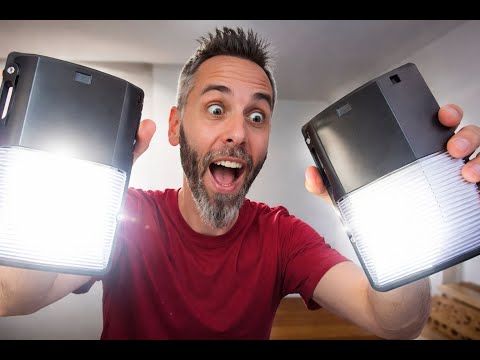
When the sun dips below the horizon and darkness settles over your property, you want reliable, automatic illumination waiting for you — not a light switch you have to fumble for in the cold. That is exactly what dusk to dawn outdoor lights deliver. These self-activating fixtures have become a staple for homeowners, property managers, and security-conscious individuals who demand convenience without sacrificing safety. Unlike traditional outdoor lighting that requires manual operation, dusk to dawn systems use built-in photocell sensors to detect ambient light levels and switch on automatically when evening arrives, then power down at sunrise. The result is seamless, energy-efficient illumination that keeps pathways safe, deters intruders, and eliminates the mental load of remembering to toggle switches every single day.
What Are Dusk to Dawn Outdoor Lights?
Dusk to dawn outdoor lights are fixtures engineered with integrated light-sensitive sensors that trigger the lamp to activate once natural daylight fades below a certain threshold. They remain illuminated throughout the entire night and automatically shut off when morning light returns. This automated cycle removes the need for timers, remote controls, or smart home integrations in most cases, making them one of the simplest yet most effective solutions for outdoor lighting needs.
The term dusk to dawn light sensor refers specifically to the photocell component housed inside the fixture. This sensor continuously monitors surrounding light and responds accordingly. Whether you are looking for outdoor security lights with dusk to dawn capability, decorative pathway lanterns, or high-lumen floodlights for large commercial properties, the core principle remains the same: light goes on at night, light goes off at dawn.
How Dusk to Dawn Light Sensors Work
Photocell Technology Explained
At the heart of every dusk to dawn light is a photocell sensor, sometimes called a light-dependent resistor (LDR) or photoelectric cell. This component changes its electrical resistance based on the amount of light it detects. When ambient light drops — typically below 10 to 35 lux, depending on the fixture — the sensor signals the internal circuitry to complete the electrical path and illuminate the bulb. As daylight increases the following morning, resistance shifts again, and the light switches off.

Modern photocells are remarkably precise. They eliminate the false triggers caused by brief shadows, passing clouds, or car headlights that plagued older sensor-based systems. Many contemporary sensors also feature a built-in delay mechanism that prevents the light from flickering on and off during transitional periods like twilight or overcast conditions.
Types of Dusk to Dawn Sensors
Not all sensor systems are created equal. Understanding the different types helps you make informed purchasing decisions.
- Integrated Photocells: Built directly into the fixture housing. These are the most common and cost-effective options for residential dusk to dawn lighting.
- Remote Photocells: Mounted separately from the light fixture and wired in-line. They offer greater placement flexibility and can protect multiple fixtures from a single sensor point.
- Smart Dusk to Dawn Sensors: Combine photocell detection with Wi-Fi or Zigbee connectivity, allowing users to adjust sensitivity thresholds, set schedules, and monitor energy usage through a smartphone app.
Types of Dusk to Dawn Outdoor Lights
The market offers a wide variety of dusk to dawn fixtures designed for different applications, aesthetics, and security needs. Below is a detailed comparison of the most popular categories.
| Type | Best For | Lumen Range | Energy Efficiency | Price Range |
| LED Floodlights | Security, large yards, driveways | 2000–5000+ lumens | Excellent (75–100W equivalent) | $25–$80 |
| Porch & Wall Lights | Entryways, porches, garages | 200–800 lumens | Very Good (9–15W equivalent) | $15–$50 |
| Pathway & Bollard Lights | Gardens, walkways, landscapes | 50–300 lumens | Very Good (5–10W equivalent) | $20–$60 each |
| Motion-Activated Hybrid Lights | Perimeter security, dark corners | 1000–4000 lumens | Excellent (motion boost) | $30–$100 |
| Solar Dusk to Dawn Lights | Off-grid areas, gardens | 30–600 lumens | Superior (solar powered) | $15–$55 |
Each category serves a distinct purpose. LED dusk to dawn floodlights dominate the security category because of their high output and low energy consumption. Porch lights with dusk to dawn functionality provide warm, welcoming illumination for guests arriving home after dark. Solar-powered variants eliminate wiring entirely, making them ideal for gardens and remote areas where electrical access is limited.
Benefits of Installing Dusk to Dawn Outdoor Lighting
The advantages of switching to automatic dusk to dawn fixtures extend far beyond simple convenience.

- Energy Savings: Because these lights operate only during dark hours and use efficient LED technology, they consume significantly less electricity than fixtures left on all night or controlled by inefficient timers.
- Enhanced Security: A property that is consistently well-lit from sunset to sunrise is far less attractive to intruders. Studies show that consistent outdoor lighting can reduce residential break-ins by up to 50%.
- Automatic Operation: No timers to program, no smart switches to configure. The fixture handles everything independently based on real-time ambient light conditions.
- Extended Fixture Lifespan: Since the lights run only when needed, LED bulbs in dusk to dawn fixtures often last 50,000 hours or more — far longer than fixtures that operate around the clock.
- Improved Safety: Well-lit walkways, driveways, and staircases dramatically reduce the risk of trips, slips, and falls for family members, guests, and delivery personnel arriving after dark.
How to Choose the Right Dusk to Dawn Outdoor Light
Selecting the best dusk to dawn outdoor light for your property requires evaluating several practical factors beyond just the sensor technology.
Consider Light Output and Coverage Area

Match the fixture’s lumen output to the area you need illuminated. A small porch may only require 300–500 lumens, while a broad driveway or backyard perimeter demands 2000 lumens or more. Measure the space and consider whether you need focused beams or wide flood patterns.
Check the Sensor’s Detection Range and Sensitivity
Premium dusk to dawn sensors can detect light changes across a wide angle — sometimes up to 180 degrees. Some models include adjustable sensitivity knobs, allowing you to fine-tune the threshold at which the light activates. This prevents nuisance triggering from streetlights or moonlight reflecting off snow.
Evaluate Weather Resistance and Build Quality
Outdoor fixtures must withstand rain, snow, extreme heat, and freezing temperatures. Look for an IP65 or IP66 rating to ensure reliable performance in all seasons. Durable materials like die-cast aluminum, stainless steel, or high-grade polycarbonate housings offer superior longevity compared to plastic alternatives.
Think About Color Temperature
Color temperature affects both aesthetics and functionality. Warm white light (2700K–3000K) creates a welcoming atmosphere for porches and patios. Cool white or daylight (4000K–5000K) is better suited for security applications where maximum visibility and contrast are priorities.
Expert Tips for Installation and Maintenance
Proper installation significantly impacts the performance and longevity of your dusk to dawn lighting system. Here are practical recommendations from experienced installers and electricians.
- Position sensors away from direct streetlight or porch light exposure. Nearby artificial light sources can trick the photocell into thinking it is still daytime, preventing the fixture from activating at night.
- Mount fixtures at the recommended height. Most manufacturers specify an ideal mounting height — typically 6 to 10 feet for floodlights and 5 to 7 feet for porch lights — to ensure optimal sensor coverage and light distribution.
- Clean the photocell periodically. Dust, pollen, and cobwebs can accumulate on the sensor window and reduce sensitivity. A quick wipe with a soft cloth every few weeks keeps detection reliable.
- Use outdoor-rated wiring and connections. Even for simple replacements, ensure all electrical connections are sealed with weatherproof connectors or housed inside junction boxes rated for outdoor use.
- Consider the direction the fixture faces. South-facing installations in the Northern Hemisphere receive more direct sunlight during the day, which can slightly affect the photocell’s calibration. Facing fixtures north or east often yields more consistent dusk-to-dawn performance.
Frequently Asked Questions
Do dusk to dawn lights work on cloudy or rainy days?
Yes, modern dusk to dawn lights function reliably regardless of weather conditions. The photocell sensor measures ambient light levels, not weather patterns. On overcast days when darkness arrives earlier than usual, the sensor detects the reduced light and activates the fixture accordingly. The built-in delay mechanism prevents flickering during rapid light transitions that occur during storms.
Can I convert a regular outdoor light to dusk to dawn operation?
Absolutely. You can add an external photocell sensor to most standard outdoor light fixtures. These sensors are available as plug-in modules or hardwired add-ons and cost between $10 and $30. Simply disconnect the existing switch wiring, connect the photocell in-line between the power source and the fixture, and mount the sensor facing the sky away from artificial light sources. This retrofit approach is one of the most cost-effective ways to add dusk to dawn functionality to older fixtures.
Why does my dusk to dawn light stay on during the day?
This issue typically occurs when the photocell sensor is receiving interference from a nearby artificial light source, such as a neighbor’s porch light or a streetlamp. It can also happen if the sensor is damaged, loose, or covered in debris. Repositioning the fixture or cleaning the sensor window usually resolves the problem. If the issue persists, the internal photocell may need replacement.
Are dusk to dawn lights worth the investment for security?
Yes, dusk to dawn lighting is one of the most effective and affordable security measures available. Consistent illumination removes the darkness that criminals rely on for cover. When combined with motion-activated features, a dusk to dawn floodlight becomes a layered security solution that deters intruders both passively and reactively. Real estate professionals consistently note that well-lit properties are perceived as safer and more valuable.
What is the difference between dusk to dawn lights and motion sensor lights?
The key difference lies in activation behavior. Dusk to dawn lights illuminate continuously from sunset to sunrise, providing steady ambient coverage. Motion sensor lights remain off until movement is detected, then activate for a set duration. Some advanced fixtures combine both technologies — a dusk to dawn base with a motion detection overlay — offering the best of both worlds: constant security lighting that intensifies when activity is detected.
Conclusion
Dusk to dawn outdoor lights represent one of the smartest investments any property owner can make. They combine simplicity, energy efficiency, and reliable automation into a single fixture that works silently every night without requiring any human intervention. Whether you prioritize property security, pathway safety, or the effortless curb appeal of a well-lit home, the right dusk to dawn lighting solution delivers measurable results. By understanding photocell technology, choosing the appropriate fixture type for your specific needs, and following proper installation practices, you can enjoy dependable nighttime illumination for years to come. The technology has matured to the point where these systems are affordable, durable, and remarkably efficient — making the transition from manual outdoor lighting to automatic dusk to dawn operation one of the easiest home improvements you can undertake today.