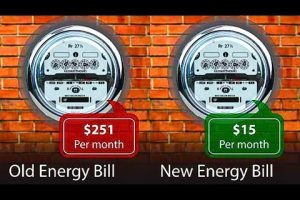



Electricity savings isn’t just about cutting a few dollars off your monthly bill — it’s a strategic shift in how you produce, consume, and manage energy in your home or business. Whether you’re a first-time homeowner looking for quick wins or a seasoned property manager chasing long-term efficiency, understanding the full landscape of electricity savings can transform the way you think about power consumption. In this guide, we’ll walk through proven strategies, real numbers, and expert-level tactics that go far beyond the standard “turn off the lights” advice.
What Electricity Savings Really Means and Why It Matters
At its core, electricity savings refers to the reduction of electrical energy consumption through behavioral changes, technology upgrades, and smarter infrastructure decisions. But the concept goes deeper than most people realize. When you save electricity, you’re simultaneously lowering your carbon footprint, reducing strain on the power grid, cutting demand charges during peak hours, and building long-term financial resilience against volatile energy prices.
The U.S. Energy Information Administration reports that the average American household spends over $1,400 annually on electricity. That number has climbed steadily due to rising appliance loads, increased cooling demands, and the electrification of transportation and heating. Electricity savings directly counteract these trends, putting money back in your pocket while contributing to broader grid stability and environmental goals.
Top Electricity Savings Strategies Across Every Skill Level
Beginner-Level Electricity Savings: Quick Wins for Immediate Results
If you’re just starting your energy efficiency journey, these foundational moves deliver noticeable results within your first billing cycle:
- Switch to LED lighting: LED bulbs use roughly 75% less energy than traditional incandescent bulbs and last up to 25 times longer. Replacing the five most-used fixtures in your home can save approximately $75 per year.
- Unplug idle electronics: Devices on standby — often called “energy vampires” — consume phantom loads that account for 5–10% of residential electricity use. Smart power strips make this effortless.
- Adjust your thermostat: Lowering your heating by just 2°F in winter or raising your cooling by 2°F in summer can reduce your HVAC electricity consumption by up to 10%.
- Run full loads only: Whether it’s the dishwasher or washing machine, operating at full capacity maximizes the electricity used per item cleaned.
Intermediate-Level Electricity Savings: Investing in Smarter Systems
Once the low-hanging fruit is picked, intermediate strategies involve upgrading hardware and adopting more sophisticated energy management practices:
- Install a programmable or smart thermostat: Brands like Nest, Ecobee, and Honeywell allow you to automate temperature setbacks when you’re asleep or away, reducing unnecessary heating and cooling cycles by 10–15%.
- Upgrade to ENERGY STAR appliances: ENERGY STAR-certified refrigerators, dishwashers, and dryers are engineered to use 10–50% less electricity than conventional models, depending on the appliance category.
- Seal air leaks and add insulation: Drafty windows, poorly insulated attics, and gaps around doors force your HVAC system to work harder. Weatherstripping and adding attic insulation are among the highest-return electricity savings investments for most homes.
- Switch to time-of-use electricity plans: Many utility providers offer pricing tiers based on demand. Shifting heavy usage — laundry, EV charging, dishwashing — to off-peak hours can significantly lower your cost per kilowatt-hour.
Advanced-Level Electricity Savings: Expert Strategies for Maximum Impact
For those who want to take electricity savings to the next level, advanced approaches combine technology, data, and long-term infrastructure planning:
- Install solar photovoltaic (PV) panels: Rooftop solar can offset 50–100% of your electricity consumption depending on your location, roof orientation, and system size. With federal tax credits and falling panel prices, the payback period has shrunk to roughly 6–10 years in many regions.
- Add home battery storage: Pairing a battery system like Tesla Powerwall or Enphase with solar lets you store excess energy for use during peak rate hours, maximizing savings and providing backup power during outages.
- Conduct a professional energy audit: A certified energy auditor uses blower door tests, infrared thermography, and watt-meter readings to pinpoint exactly where your home loses energy. The recommendations from a detailed audit often reveal savings opportunities you’d never identify on your own.
- Implement a home energy management system (HEMS): These smart platforms — such as Sense, Emporia, or Span — monitor every circuit in real time, giving you granular visibility into consumption patterns and identifying waste automatically.
Electricity Savings Comparison: Methods and Expected Impact
Understanding which strategies deliver the best return requires comparing upfront costs against projected savings. The table below breaks down common electricity savings methods by investment level and estimated annual impact.
| Strategy | Estimated Upfront Cost | Annual Electricity Savings | Payback Period |
| LED bulb replacement | $50–$150 | $50–$100 | 1–2 years |
| Smart thermostat | $100–$250 | $80–$150 | 1–2 years |
| ENERGY STAR appliance upgrade | $500–$2,000 | $100–$300 | 3–7 years |
| Home energy audit | $150–$400 | $100–$500+ (recommendations) | Immediate ROI on insights |
| Solar PV installation (5kW system) | $10,000–$15,000 (after tax credits) | $800–$1,500 | 6–10 years |
| Home battery storage | $7,000–$15,000 | $300–$800 (with solar) | 8–12 years |
| Insulation and air sealing | $1,000–$3,000 | $200–$500 | 2–5 years |

The data clearly shows that some strategies — like LED upgrades and smart thermostats — offer nearly instant payback with minimal disruption. Others, such as solar and battery storage, require a larger upfront commitment but deliver compounding savings over a decade or more of ownership.
How to Measure Your Electricity Savings Accurately
Tracking your progress is essential for understanding whether your electricity savings efforts are paying off. Here’s how to do it right:
- Monitor your utility bills: Compare month-over-month and year-over-year kWh usage and dollar amounts. Look for consistent downward trends after implementing changes.
- Use a whole-home energy monitor: Devices like the Emporia Vue or Sense monitor your electrical panel and provide real-time and historical consumption data down to individual circuits.
- Track individual appliance usage: Plug-in energy meters (such as the Kill-A-Watt) let you measure exact consumption for specific devices, helping you identify the biggest energy hogs.
- Calculate your savings percentage: Use the formula ((Baseline kWh – Current kWh) / Baseline kWh) × 100 to express your electricity savings as a percentage. This makes it easy to benchmark progress over time.
Common Mistakes That Undermine Electricity Savings Efforts
Even well-intentioned energy savers can fall into traps that erase their gains. Watch out for these common pitfalls:
- Oversizing your solar system: More panels don’t always mean more savings. If your system produces far more energy than you consume, net metering credits may be minimal or expire. Right-size your system based on actual usage data.
- Ignoring HVAC maintenance: Dirty filters, refrigerant leaks, and aging systems can increase electricity consumption by 15–25%. Annual professional tune-ups are a small cost with outsized electricity savings returns.
- Assuming all “smart” devices save energy: Some smart plugs and devices consume more standby power than the load they control. Always check the idle power draw before purchasing.
- Neglecting behavioral consistency: Technology helps, but habits matter most. Leaving smart devices on default settings or reverting to old wasteful routines will steadily erode your electricity savings over time.
Frequently Asked Questions About Electricity Savings
How much electricity savings can a household realistically achieve per year? The average household that implements a combination of LED upgrades, smart thermostat scheduling, appliance replacements, and behavioral changes can realistically reduce electricity consumption by 20–35%, translating to $280–$500 in annual savings depending on local rates and baseline usage.
Is it worth investing in solar panels for electricity savings if you live in a cloudy climate? Absolutely. Solar panels still generate meaningful electricity in cloudy and overcast conditions, though output is reduced by roughly 10–25% compared to peak sun regions. In areas with high electricity rates, the savings can still justify the investment, especially when combined with battery storage and time-of-use rate optimization.
What is the fastest way to start saving electricity at home today? The fastest electricity savings strategy is replacing incandescent or halogen bulbs with LEDs and installing a smart thermostat. Both can be completed in a single afternoon and deliver measurable reductions in your next utility bill with zero lifestyle disruption.
Do power strips really help with electricity savings? Yes, particularly smart power strips that cut power to devices in standby mode. A typical home has 20–40 devices drawing phantom loads, which can collectively waste $100–$200 per year. Smart power strips eliminate this waste automatically.
How do electricity savings from a home energy audit compare to DIY methods? Professional energy audits typically uncover issues — such as hidden air leaks, inefficient ductwork, or outdated electrical panels — that homeowners would never detect on their own. The average audit identifies electricity savings opportunities worth $200–$500 annually, often far exceeding what DIY measures alone can achieve. Many utilities offer rebates that reduce or eliminate the audit cost entirely.
Can electricity savings strategies increase the resale value of a home? Yes. Homes with solar panels, smart energy systems, upgraded insulation, and ENERGY STAR appliances consistently command higher resale prices and spend less time on the market. Studies indicate that buyers are willing to pay a premium of roughly $15,000–$20,000 for homes with fully owned solar installations, making electricity savings a genuine long-term asset.
Final Thoughts: Building a Sustainable Electricity Savings Plan
Electricity savings is not a one-time project — it’s an ongoing practice that evolves with technology, utility rates, and your household’s changing needs. Start with the beginner strategies that deliver instant results, layer in intermediate upgrades as your budget allows, and explore advanced solutions like solar and battery storage when the time is right. The key is consistency, measurement, and staying curious about new developments in energy efficiency. Every kilowatt-hour you save is a direct contribution to lower bills, a more resilient home, and a healthier planet.