


If you’re serious about indoor gardening, you’ve probably heard the term full spectrum grow light bulbs thrown around in every grower forum and product description on the internet. But what does “full spectrum” actually mean, and why does it matter so much for healthy plant development? The truth is, not all artificial light sources are created equal. Standard incandescent or fluorescent bulbs emit only a narrow band of wavelengths, leaving plants starved for the specific colors of light they need to photosynthesize, flower, and fruit effectively. Full spectrum LED grow light bulbs are engineered to replicate the natural sunlight that plants evolved under, delivering a balanced blend of blue, red, white, and even infrared wavelengths in one convenient package. Whether you’re nurturing delicate seedlings on a windowsill, maintaining a lush indoor herb garden, or running a commercial vertical farm, choosing the right full spectrum bulb can be the single most impactful decision you make for your plants.
What Exactly Are Full Spectrum Grow Light Bulbs?
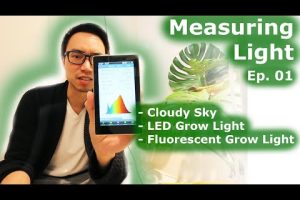
A full spectrum grow light bulb is designed to emit light across the entire visible and near-visible wavelength range, typically spanning from approximately 380 nanometers (violet) to 850 nanometers (far red). This is fundamentally different from standard grow bulbs that focus heavily on just one or two bands of color. The term “full spectrum” mimics the continuous emission curve of natural sunlight, which plants have relied on for millions of years to drive photosynthesis and regulate growth patterns. These bulbs incorporate advanced LED chip combinations, phosphor coatings, or hybrid technologies to ensure that every critical light band is represented. The result is a light source that supports every stage of a plant’s life cycle — from vegetative growth and stem development to blooming and fruiting — without requiring you to swap bulbs between growth phases.
Understanding the Light Spectrum and Why It Matters
To appreciate the value of full spectrum bulbs, it helps to understand how plants use different wavelengths:
- Blue light (400–500 nm): Promotes vegetative growth, chlorophyll production, and compact, bushy plant structures. It regulates stomatal opening and influences leaf expansion.
- Red light (600–700 nm): Drives flowering, fruit production, and stem elongation. Red wavelengths are absorbed by chlorophyll and are critical for triggering photoperiod responses in blooming plants.
- White light (broad spectrum): Provides a balanced visual light that helps growers monitor plant health and color changes accurately. It fills in the gaps between blue and red peaks.
- Far-red and infrared (700–850 nm): Influences photomorphogenic responses such as shade avoidance, stem stretching, and flowering time modulation through the phytochrome system.
When a bulb covers this entire range effectively, it gives your plants a photonic environment that closely resembles outdoor growing conditions. This is why professional cultivators and serious hobbyists are increasingly choosing full spectrum LED technology over older, narrow-band alternatives.
Key Features to Look For in Full Spectrum Grow Light Bulbs
Not every product labeled “full spectrum” delivers the same quality. When comparing options, pay close attention to these specifications:
- PAR and PPFD Values: Photosynthetically Active Radiation (PAR) measures the light usable by plants, while Photosynthetic Photon Flux Density (PPFD) tells you how much of that light actually reaches the plant canopy. Higher PPFD values at the correct distance mean more energy for growth.
- Color Rendering Index (CRI): A high CRI (90+) means the bulb renders colors more naturally, which is a good proxy for a balanced spectral output.
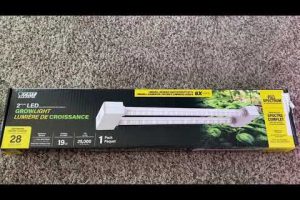
- Wattage and Coverage Area: Match the bulb’s wattage to your grow space. A 30W bulb typically covers a small desk garden, while a 100W+ unit can support a larger tent or grow room.
- Dimming Capability: Bulbs with adjustable dimming let you fine-tune light intensity during different growth stages, preventing light burn on seedlings while ensuring vigorous bloom-phase intensity.
- Heat Dissipation and Bulb Lifespan: Look for aluminum heat sinks or built-in cooling fans. Quality full spectrum LEDs should last 50,000 hours or more without significant lumen depreciation.
- Compatibility: Ensure the bulb fits standard sockets (E26, E27, or reflector-based mounts) and works with your existing fixtures or standalone ballast-free designs.
Full Spectrum Grow Light Bulbs vs. Traditional Grow Lights
Understanding the differences between full spectrum LED bulbs and older lighting technologies is essential for making an informed purchase decision.

| Feature | Full Spectrum LED Bulbs | HPS/MH Lights | Standard CFL Bulbs |
| Spectrum Range | 380–850 nm (balanced) | Limited red/orange (HPS) or blue/green (MH) | Narrow, biased toward warm white |
| Energy Efficiency | High (2.0–3.5 μmol/J) | Moderate (0.9–1.2 μmol/J) | Low (0.4–0.7 μmol/J) |
| Heat Output | Low to moderate | High — requires ventilation | Low |
| Lifespan | 50,000+ hours | 10,000–24,000 hours | 8,000–15,000 hours |
| Growth Stage Support | All stages (veg to bloom) | Bloom (HPS) or veg (MH) only | Limited, best for seedlings |
| Upfront Cost | Moderate to high | Moderate | Low |
| Long-Term Cost | Low (energy + replacement savings) | Higher (electricity + bulb swaps) | Moderate (frequent replacement) |
The table above makes one thing clear: full spectrum LED bulbs offer the best overall value for most indoor growers. They combine energy efficiency, long life, and a comprehensive light output that covers every growth stage, eliminating the need for multiple light systems.
Best Use Cases for Full Spectrum Grow Light Bulbs
These bulbs are remarkably versatile and fit into a wide range of growing scenarios:
- Seedling and clone propagation: The balanced blue-white output promotes strong root and stem development without overwhelming tender young plants.
- Herb and leafy green gardens: Basil, lettuce, spinach, cilantro, and kale thrive under full spectrum LEDs because the moderate intensity and cool spectrum prevent leggy, weak growth.
- Orchid and tropical plant cultivation: Species that originate from forest understory environments benefit from the filtered, naturalistic light that full spectrum bulbs provide.
- Flowering and fruiting plants: Tomatoes, peppers, strawberries, and ornamental flowers receive the red and far-red wavelengths they need to initiate blooming and set fruit.
- Supplementing natural window light: Even plants near bright windows often benefit from supplemental full spectrum bulbs during winter months or in north-facing rooms where sunlight is limited.
How to Choose the Right Bulb for Your Setup
Selecting the ideal full spectrum grow light bulb depends on several practical factors that go beyond just brand names and wattage numbers.
Assess Your Grow Space
Measure the square footage of your growing area. A small herb garden on a kitchen counter needs a different bulb than a 4×4-foot tent full of flowering cannabis or tomatoes. As a general rule, aim for roughly 30–50 watts of actual LED power per square foot for flowering plants, and 15–25 watts for leafy greens and herbs.
Consider Your Mounting Options
Some full spectrum bulbs screw directly into standard household sockets, making them perfect for beginners and small-scale setups. Others require reflective hoods or pendant fixtures with dedicated mounting hardware. If you’re working with a limited budget, socket-compatible LED bulbs offer an excellent entry point without needing specialized equipment.
Check the Driver and Dimming Features
A quality built-in driver ensures consistent current delivery to the LED chips, which directly impacts light output stability and bulb longevity. Dimming functionality is especially valuable because it allows you to adjust intensity as plants transition from the vegetative phase to the flowering phase, replicating the natural shift in sunlight intensity that occurs across seasons.
Expert Tips for Maximizing Results with Full Spectrum Bulbs
Even the best full spectrum grow light bulb won’t deliver optimal results if it’s used incorrectly. Here are some professional-grade tips that can dramatically improve your outcomes:
- Hang bulbs at the correct distance: Most full spectrum LEDs should be positioned 12–24 inches above the canopy during the vegetative stage and 18–36 inches during flowering to prevent light burn while maintaining sufficient intensity.
- Use a timer religiously: Plants need consistent photoperiods. Set timers for 16–18 hours of light during vegetation and 12 hours during flowering to trigger the right hormonal responses.
- Monitor canopy temperature: Even LEDs produce some heat. Keep leaf surface temperatures below 85°F (29°C) to prevent stress and ensure efficient transpiration.
- Rotate your plants regularly: Light intensity varies across the coverage area. Rotating pots every few days ensures even growth and prevents one-sided stretching.
- Pair with quality nutrients: More light means the plant has more energy to grow — but it also needs more water and nutrients to fuel that growth. Adjust your feeding schedule as you increase light intensity.
- Clean your bulbs periodically: Dust accumulation on LED lenses can reduce light output by 10–15%. A soft, damp cloth wiped gently across the bulb surface every couple of weeks keeps performance consistent.

Common Mistakes to Avoid
Even experienced indoor gardeners sometimes make errors with full spectrum lighting setups. Avoid these pitfalls:
- Overlapping coverage unnecessarily: Placing too many bulbs too close together creates hot spots and wasted energy. Map your coverage area and space bulbs accordingly.
- Ignoring the inverse square law: Light intensity drops dramatically with distance. Doubling the hanging height reduces intensity to roughly one-quarter, so vertical spacing matters more than many growers realize.
- Buying based solely on wattage claims: Some manufacturers inflate wattage numbers or measure “equivalent” wattage rather than actual draw. Always check the true power consumption in watts.
- Neglecting ambient temperature: Enclosed grow spaces can heat up fast, even with low-heat LEDs. Adequate ventilation and air circulation are non-negotiable for sustained plant health.
Final Thoughts
Full spectrum grow light bulbs represent one of the most significant advances in indoor horticulture technology. They combine the spectral completeness of natural sunlight with the energy efficiency and longevity of modern LED engineering. Whether you’re a beginner setting up your first windowsill herb garden or a seasoned grower optimizing a multi-tier indoor operation, investing in quality full spectrum lighting is a decision that pays dividends in healthier plants, higher yields, and lower operating costs over time. The key is to match the bulb’s specifications to your specific growing environment, monitor your plants’ responses, and be willing to adjust as you learn what works best for each species in your collection.
Frequently Asked Questions
1. Can I use a full spectrum grow light bulb for all stages of plant growth?
Yes, one of the primary advantages of full spectrum LED bulbs is that they cover the entire light range plants need during both vegetative and flowering stages. Unlike High-Pressure Sodium (HPS) lights that are better suited for bloom phase only, full spectrum bulbs deliver balanced blue and red wavelengths that support leaf development, stem strength, flowering, and fruit production all within a single bulb.
2. How far should I hang a full spectrum grow light bulb from my plants?
The ideal hanging distance depends on the bulb’s wattage and intensity. As a general guideline, position bulbs 12 to 24 inches above the canopy for vegetative growth and 18 to 36 inches during the flowering phase. Always check the manufacturer’s recommended coverage distance and use a lux or PAR meter if possible to verify light levels at the leaf surface.
3. Are full spectrum grow light bulbs energy-efficient compared to other grow lights?
Absolutely. Modern full spectrum LED bulbs consume significantly less electricity than traditional High-Intensity Discharge (HID) systems like HPS or Metal Halide lights while producing comparable or superior light output. They also convert a higher percentage of electrical energy into usable photosynthetic light rather than wasted heat, which reduces both your electricity bill and the need for cooling equipment.
4. Do full spectrum bulbs work well for growing microgreens and sprouts?
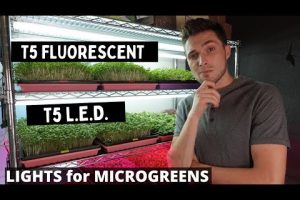
Yes, full spectrum bulbs are excellent for microgreens and sprouts. These fast-growing plants benefit from the balanced blue and white light that promotes dense, compact growth with vibrant color. Since microgreens are typically grown in shallow trays under close proximity to light, low-wattage full spectrum bulbs work perfectly and help produce visually appealing, nutrient-dense harvests.
5. What is the difference between full spectrum and broad spectrum grow lights?
While the terms are sometimes used interchangeably, broad spectrum lights tend to emphasize visible white light with a slight emphasis on red and blue, whereas true full spectrum bulbs extend into the near-UV and far-red infrared ranges. The extended infrared and UV bands in full spectrum bulbs trigger additional photomorphogenic responses in plants, such as enhanced secondary metabolite production, tighter internodal spacing, and more robust defense mechanisms.
6. Can I replace my existing household bulbs with full spectrum grow light bulbs?
Yes, many full spectrum grow light bulbs are designed with standard E26 or E27 screw bases, making them direct replacements for regular household bulbs in desk lamps, pendant fixtures, and standard sockets. This makes them an incredibly accessible option for beginners who want to upgrade their indoor plant lighting without purchasing dedicated grow light fixtures or complicated wiring setups.