


When the sun dips below the horizon and your backyard, patio, or garden pathway starts to fade into darkness, hanging solar lights transform ordinary outdoor spaces into beautifully illuminated retreats. These fixtures have exploded in popularity over the past few years, and for good reason. They combine energy efficiency, effortless installation, and stunning aesthetics into one package that traditional hardwired lighting simply can’t match. Whether you are a homeowner looking to upgrade your curb appeal, a renter seeking a no-wire lighting solution, or a gardening enthusiast planning your next outdoor project, hanging solar lights offer a versatile and powerful option worth exploring in detail.

What Are Hanging Solar Lights and How Do They Work?
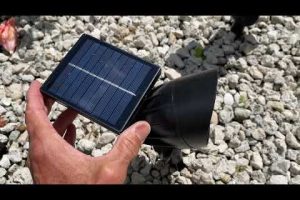
Hanging solar lights are outdoor or indoor fixtures powered entirely by small photovoltaic panels that capture sunlight during the day and convert it into stored electrical energy. This energy is held in rechargeable batteries, typically lithium-ion or NiMH, and automatically powers LED bulbs once ambient light levels drop below a certain threshold. Most models include built-in dusk-to-dawn sensors, meaning you never need to remember to flip a switch or plug anything in.
The Science Behind Solar-Powered Lighting
Understanding how solar lighting works helps you make smarter purchasing decisions. The photovoltaic cells in the panel absorb photons from sunlight, which knock electrons free in a semiconductor material, generating a direct current (DC). This current charges the internal battery pack throughout the day. At night, a charge controller manages the discharge cycle, powering the LEDs until the battery depletes or sunlight triggers the sensor again. The quality of the solar panel, the capacity of the battery, and the efficiency of the LED chip all determine how long and how brightly your lights will shine each evening.
Top Benefits of Hanging Solar Lights for Your Outdoor Space
Switching to solar-powered hanging lights delivers advantages that go far beyond just saving on electricity bills. Here is why homeowners and designers keep coming back to this lighting category:
- Zero wiring and installation costs: No need to hire an electrician or run conduit through walls. Simply hang the fixture and let the sun do the rest.
- Energy independence: Solar lights operate entirely off the grid, reducing your carbon footprint and shielding you from rising utility rates.
- Weather resilience: Most quality models are rated IP65 or higher, meaning they handle rain, snow, and humidity without issue.
- Versatile placement: Because there are no cords, you can hang lights from trees, pergolas, fences, gazebos, porch ceilings, or even shepherd’s hooks wherever sunlight hits the panel during the day.
- Low maintenance: With no wiring to degrade and no bulbs to replace for thousands of hours, upkeep is minimal.
- Enhanced safety: Solar lighting eliminates trip hazards from extension cords and reduces electrical risks around wet outdoor areas.
Types of Hanging Solar Lights You Should Consider
The market for solar hanging lights has matured dramatically, and today’s consumers can choose from an impressive range of styles and technologies. Below are the most popular categories that dominate current outdoor lighting trends.
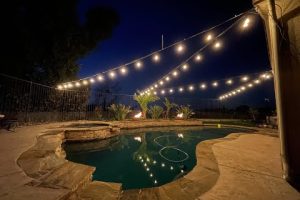
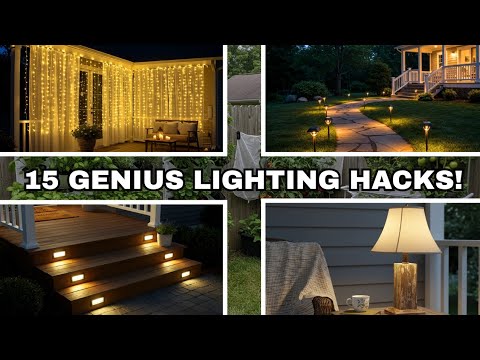
- Solar string lights: Classic globe or Edison-style bulbs strung on weather-resistant wire. Ideal for wrapping around pergolas, deck railings, or tree branches. These create warm ambient glow perfect for entertaining.
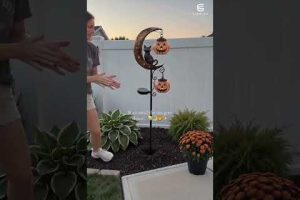
- Solar lanterns with hanging hooks: Free-standing or hook-mounted lanterns that double as decorative accents. Many feature fold-flat designs for easy storage during off-seasons.
- Solar pendant lights: Sleek, modern fixtures designed for covered patios and gazebos. These often include frosted polycarbonate shades and directional LED arrays for focused task lighting.
- Solar bistro lights: Smaller-scale string lights with miniature bulbs, perfect for intimate dining areas, garden pathways, and café-style outdoor seating.
- Solar spotlights and uplighters: Adjustable fixtures with focused beams designed to highlight architectural features, trees, or landscaping elements from above.
How to Choose the Best Hanging Solar Lights for Your Needs
Not all solar hanging lights are created equal. Before you click “Add to Cart,” consider the following factors that separate a mediocre product from a genuinely outstanding one.
Key Features to Look For
- Solar panel efficiency: Monocrystalline panels convert roughly 20-24% of sunlight into energy, outperforming polycrystalline alternatives. Look for panels with at least 2 watts for reliable charging in most climates.
- Battery capacity: Measured in milliamp-hours (mAh), higher capacity means longer runtime. A 2000mAh battery will typically power moderate-brightness LEDs for 8-12 hours, while premium models with 4000mAh+ batteries can stretch well beyond 14 hours.
- LED quality: SMD 3030 and COB (Chip-on-Board) LEDs deliver superior brightness and color consistency compared to cheaper DIP LEDs.
- Warm vs. cool light temperature: Warm white (2700K-3000K) creates a cozy atmosphere for patios and dining areas. Cool white (5000K-6500K) works better for security and task lighting along pathways.
- IP rating: An IP65 rating ensures dust-tight construction and protection against water jets, making the fixture suitable for year-round outdoor use.
- Adjustable hanging height: Many quality models include adjustable hooks or cables, letting you fine-tune the light’s position for optimal illumination and panel exposure.

Comparison: Popular Hanging Solar Light Categories
| Type | Best For | Avg. Runtime | Brightness Range | Price Range |
| Solar String Lights | Ambient décor, entertaining | 8-12 hours | 50-200 lumens per bulb | $15-$60 |
| Solar Lanterns | Accent lighting, pathways | 6-10 hours | 30-100 lumens | $10-$40 |
| Solar Pendant Lights | Covered patios, modern spaces | 8-14 hours | 150-400 lumens | $40-$120 |
| Solar Spotlights | Security, feature highlighting | 6-10 hours | 200-800 lumens | $25-$80 |
| Solar Bistro Lights | Intimate dining, small spaces | 6-10 hours | 20-80 lumens per bulb | $20-$55 |
Installation Tips and Best Practices
One of the greatest advantages of hanging solar lights is how simple they are to set up. However, a few strategic decisions during installation can dramatically improve performance and longevity.
- Place the solar panel in direct sunlight: Even if the fixture hangs in a shaded area, the panel should receive a minimum of 6-8 hours of unobstructed sunlight daily. Use separate mounting brackets or extenders if your model allows panel relocation.
- Position lights at the right height: For pathway illumination, hang lights 4-6 feet off the ground. For ambient patio lighting, 8-10 feet creates a beautiful canopy effect. For security spotlights, heighten the fixture to reduce tampering and widen the coverage area.
- Angle the solar panel southward (Northern Hemisphere): This maximizes daily sun exposure and charging efficiency, especially during winter months when the sun sits lower on the horizon.
- Use weatherproof connectors: If linking multiple strings or fixtures, ensure all connection points are sealed against moisture to prevent corrosion and short circuits.
- Allow a full charge cycle before first use: New batteries benefit from an initial 24-hour charge cycle to reach full capacity and condition the cells properly.
Maintenance and Troubleshooting
While hanging solar lights are famously low-maintenance, they are not completely maintenance-free. Occasional attention keeps them performing at peak levels season after season.

- Clean the solar panel monthly: Dust, pollen, bird droppings, and leaf litter block photons and reduce charging efficiency. A simple wipe with a damp microfiber cloth restores optimal performance.
- Check battery health annually: Rechargeable batteries degrade over time, typically lasting 1-3 years depending on climate and usage patterns. Replace them when runtime drops noticeably below the manufacturer’s specification.
- Inspect seals and gaskets: After harsh weather events, verify that O-rings and silicone seals remain intact. Compromised weatherproofing leads to internal moisture damage and LED failure.
- Store during extreme cold: Lithium-ion batteries lose significant capacity below freezing temperatures. If you live in a region with harsh winters, consider removing lights and storing them indoors during the off-season.
Expert Tips for Maximizing Hanging Solar Light Performance
Seasoned outdoor lighting professionals share a few insider strategies that elevate solar hanging lights from functional to exceptional.
- Pair warm and cool tones: Use warm white string lights for social spaces and cool white spotlights along borders. This contrast creates depth and visual interest in your outdoor design.
- Layer your lighting heights: Hang some lights high for ambient fill and others lower at eye level for focal points. Layered lighting makes a space feel intentional and professionally designed.
- Supplement with reflective surfaces: Placing solar lanterns near light-colored walls, white fences, or water features amplifies their reach and creates a more immersive glow.
- Invest in dual-panel models for shaded areas: Some premium hanging solar lights feature two or more panels, increasing charging efficiency even when direct sunlight is limited by trees or structures.
- Use timers or smart plugs with USB charging backup: Certain advanced models allow USB charging as a solar supplement, ensuring consistent illumination even during prolonged cloudy stretches.
Conclusion
Hanging solar lights represent one of the smartest investments you can make for your outdoor living space. They deliver reliable, beautiful illumination without the complexity of wiring, the expense of grid electricity, or the environmental impact of conventional lighting. From casual garden gatherings to quiet evening moments on the patio, the right solar hanging fixtures set the mood and elevate the entire atmosphere of your home. By understanding the technology, choosing the right type for your needs, and following proper installation and maintenance practices, you will enjoy years of hassle-free, eco-friendly lighting that pays for itself from day one.
Frequently Asked Questions (FAQs)
1. How long do hanging solar lights last on a single full charge?
Most quality hanging solar lights run between 8 and 14 hours on a fully charged battery, depending on the LED brightness setting, battery capacity, and local weather conditions during the charging day. Models with adjustable brightness modes often let you extend runtime by switching to a lower setting when full illumination is unnecessary.
2. Do hanging solar lights work on cloudy or rainy days?
Yes, they do, but with reduced charging efficiency. Cloudy conditions can cut solar panel output by 40-60%, which means the battery may not reach full capacity and runtime will be shorter. Premium models with larger battery reserves and more efficient panels perform noticeably better under overcast conditions than budget alternatives.
3. Can I leave hanging solar lights outside all year round?
Many high-quality hanging solar lights are rated IP65 or IP66 and are designed for year-round outdoor use, including exposure to rain, snow, and freezing temperatures. However, in regions with heavy snowfall or prolonged sub-zero winters, bringing the fixtures indoors during the harshest months can significantly extend battery lifespan and overall product longevity.
4. What is the difference between solar string lights and solar bistro lights for hanging installations?
Solar string lights typically feature larger bulbs and longer wire runs, making them ideal for decorating pergolas, fences, and large patio areas. Solar bistro lights are more compact with smaller bulbs and shorter strand lengths, designed for intimate settings like small dining tables, balcony railings, and cozy garden corners. The wattage and brightness per bulb also differ, with bistro lights offering a softer, more subdued glow.
5. How do I replace the battery in my hanging solar light?
Most hanging solar lights have a removable battery compartment accessible by unscrewing the base or pulling open a small panel on the fixture body. Common battery types include 18650 lithium-ion cells and AA NiMH rechargeable batteries. Always match the replacement battery’s voltage and capacity to the manufacturer’s specifications to avoid damaging the solar controller or LED driver circuit.
6. Are hanging solar lights bright enough for security purposes?
Yes, but only if you select models specifically designed for that purpose. Solar spotlights and uplighters with 200 lumens or more per fixture and adjustable heads are well-suited for deterring intruders and illuminating dark corners. Ambient string lights and bistro lights, while beautiful, do not provide the focused brightness needed for effective security lighting.