


An antique desk lamp is far more than a functional lighting accessory — it is a window into the craftsmanship, design philosophy, and aesthetic sensibilities of bygone eras. Whether you are a seasoned collector, an interior designer searching for statement pieces, or a homeowner looking to add vintage character to your workspace, antique desk lamps offer an unmatched combination of beauty, history, and enduring value. From the warm glow of tarnished brass to the kaleidoscopic colors of hand-tinted glass shades, these lamps have captivated admirers for well over a century. In this comprehensive guide, we will explore everything you need to know about antique desk lamps, including their history, the most sought-after styles, how to authenticate genuine pieces, what drives their value, and practical advice for collecting, restoring, and caring for them.
What Is an Antique Desk Lamp?
An antique desk lamp is generally defined as a lamp that is at least 50 to 100 years old and was originally designed for use on a desk, writing surface, or workbench. These lamps were engineered to provide focused, adjustable illumination for tasks such as reading, writing letters, drafting architectural plans, or assembling intricate paperwork. Unlike modern desk lamps that prioritize LED efficiency and minimalist aesthetics, vintage desk lamps reflect the materials, techniques, and artistic movements of their time. The term antique desk lamp is often used interchangeably with vintage desk lamp, retro desk lamp, and antique table lamp, though purists typically reserve “antique” for pieces manufactured before the 1940s.
What makes antique desk lamps so compelling to collectors is their storytelling quality. Every scratch on the base, every patina on the metal, and every slight imperfection in the glass tells a story about the hands that crafted it and the era in which it was made. These lamps were produced by companies ranging from small artisan workshops to major industrial manufacturers, and each type carries its own distinct character and appeal.
A Brief History of Antique Desk Lamps
Early 19th and Early 20th Century Origins
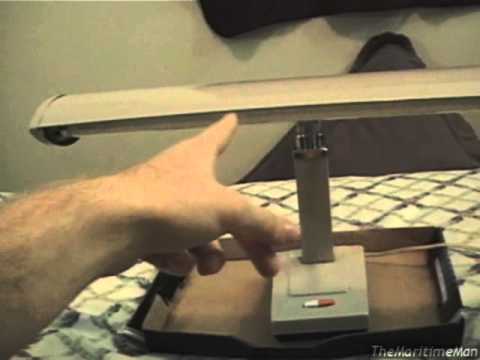
The history of the desk lamp traces back to the late 1800s, when gas lighting began giving way to electric illumination. Early electric desk lamps were rudimentary — often brass stems with simple incandescent bulbs — but they quickly evolved as electrical infrastructure expanded across Europe and North America. By the 1910s and 1920s, manufacturers were experimenting with articulated arms, adjustable necks, and decorative shades made from silk, fabric, and glass. The Art Nouveau movement heavily influenced early antique desk lamp designs, featuring organic curves, floral motifs, and handcrafted details that set them apart from mass-produced contemporaries.
Mid-Century Modern and Art Deco Eras
The 1930s through 1950s marked a golden age for desk lamp production. The Art Deco movement introduced geometric patterns, polished metals, and bold color contrasts that defined the look of many iconic antique desk lamps from this period. Meanwhile, the rise of the Mid-Century Modern aesthetic brought sleek, sculptural forms and innovative materials such as Bakelite, chrome, and molded fiberglass into the spotlight. Brands like Tiffany Studios, Schréder, Anglepoise, and Stiffel became synonymous with high-quality vintage desk lighting, and their pieces remain the most coveted among collectors today.
Popular Styles and Types of Antique Desk Lamps
Understanding the major categories of antique desk lamps is essential for anyone looking to collect, buy, or invest in these pieces. Below are the most prominent styles you will encounter in the market.
Tiffany Style Desk Lamps

Tiffany desk lamps are arguably the most famous and valuable category of antique desk lamps. Created by Louis Comfort Tiffany and his team at Tiffany Studios in the late 1800s and early 1900s, these lamps feature handcrafted copper-foil stained glass shades in elaborate botanical and geometric patterns. The base is typically cast bronze or patinated brass, often shaped into organic forms like tree trunks, flowers, or dragonflies. Genuine Tiffany lamps are extremely rare and can command prices ranging from several thousand dollars to well over $100,000 at auction.
Banker’s Desk Lamps
The banker’s lamp, also known as the Greenshade lamp, has been a staple of office furniture since the late 1800s. These lamps feature a distinctive green glass shade mounted on a brass or chrome gooseneck arm, with a push-button switch typically located on the socket or base. Brands such as Luxo (Norway), Sneath, and Universal produced countless variations. The banker’s lamp is celebrated for its functional simplicity and its association with the golden age of journalism, law offices, and executive chambers.
Art Deco Brass and Chrome Lamps
Art Deco desk lamps from the 1920s and 1930s are characterized by their polished metal finishes, angular geometric forms, and lavish use of crystals and decorative elements. These lamps were designed to complement the sleek interiors of the Jazz Age and often featured stepped bases, sunburst motifs, and fan-shaped shades. Original Art Deco desk lamps in good condition are highly prized by collectors and can add a dramatic focal point to modern desks and mantels alike.
Industrial and Railroad Lamps
Industrial-style antique desk lamps draw their inspiration from the workshops, locomotives, and factories of the early 20th century. These pieces often feature heavy iron or steel construction, exposed bulb sockets, pull-chain switches, and adjustable reflector shades. Railroad conductor lamps and machinist’s desk lamps fall into this category and are particularly sought after by enthusiasts of industrial and steampunk aesthetics.
How to Identify a Genuine Antique Desk Lamp
With the market flooded with reproductions and vintage-style replicas, knowing how to authenticate an antique desk lamp is critical. Here are the key factors to examine.
Markings, Signatures, and Manufacturer Tags
Many genuine antique desk lamps bear manufacturer markings, patent numbers, or designer signatures. These can typically be found on the base, inside the shade socket, or on a small metal plate attached to the stem. For example, Tiffany lamps often have a lead or copper identification tag in the shade’s rim, while banker’s lamps may have a model number stamped into the brass stem. Researching these marks using collector databases, auction records, and manufacturer catalogs is one of the most reliable methods of verification.
Materials and Construction Techniques
Authentic antique desk lamps were built to last, and their materials tell a clear story. Look for hand-joined copper foil in Tiffany-style shades, solid brass or bronze construction in older bases, and fabric or silk shades with hand-stitched seams. Reproductions from the 1970s and 1980s often use cheaper alloys, plastic replacements for glass, and machine-made components that lack the subtle irregularities of handcrafting. A magnifying glass and a good light source are your best tools for inspecting construction details.
Wear Patterns and Aging Characteristics

Genuine patina — the natural oxidation and aging of metal surfaces — is extremely difficult to fake convincingly. Authentic antique desk lamps will show consistent wear on high-touch areas such as switch buttons, base bottoms, and adjustment joints. The glass should have a slight warmth or slight imperfections consistent with early 20th-century manufacturing processes, rather than the uniform clarity of modern glass.
Value and Collectibility Factors
The value of an antique desk lamp depends on a combination of factors including rarity, condition, provenance, brand, and aesthetic appeal. Below is a comparison of common antique desk lamp styles and their approximate market value ranges.
| Style | Approximate Era | Price Range (USD) | Key Value Drivers |
| Tiffany Stained Glass Desk Lamp | 1890s–1930s | $2,000 – $100,000+ | Rarity of shade design, condition of glass, base material |
| Banker’s Lamp (Greenshade) | 1900s–1940s | $80 – $500 | Brand authenticity, original shade, working switch |
| Art Deco Brass/Chrome Lamp | 1920s–1940s | $150 – $2,000 | Design complexity, crystal elements, condition of finish |
| Anglepoise Original Model | 1930s–1950s | $300 – $3,000 | Model number, original springs, signed base |
| Industrial/Railroad Lamp | 1900s–1950s | $100 – $1,500 | Provenance, rarity, originality of components |
| Mid-Century Modern Sculptural | 1950s–1960s | $100 – $1,200 | Designer attribution, material, design uniqueness |
When evaluating value, always consider the overall condition of the lamp. A fully restored Tiffany lamp can be worth significantly more than one with cracked or missing glass panels. Similarly, a banker’s lamp with its original green shade intact will fetch a higher price than one with a replacement shade, even if the replacement is high quality. Provenance — documentation of ownership history, especially if linked to notable individuals or estates — can dramatically increase a lamp’s collectible value.
Practical Tips for Collecting and Buying Antique Desk Lamps
If you are new to collecting antique desk lamps, these expert recommendations will help you build a rewarding collection while avoiding costly mistakes.
- Start with a focus. Decide whether you want to specialize in a particular style, era, or manufacturer. Focusing your collection gives it coherence and makes it easier to develop expertise.
- Buy from reputable sources. Established antique dealers, verified auction houses, and trusted online marketplaces with return policies offer the best protection against misrepresentation.
- Inspect thoroughly before purchasing. Check for cracks in glass shades, corrosion on metal bases, and functional switches. Request detailed photographs and condition reports, especially when buying online.
- Invest in restoration wisely. Minor cleaning and polishing can enhance value, but major restorations should only be performed by qualified professionals. Poor restoration can reduce value by 50% or more.
- Document everything. Keep records of purchase prices, provenance documents, restoration work, and any certificates of authenticity. This documentation is invaluable for insurance, resale, and appraisal purposes.
- Attend antique shows and estate sales. These venues often offer the best prices and the opportunity to examine pieces in person before committing to a purchase.
Restoration and Care Tips for Antique Desk Lamps
Proper care is essential to preserving the beauty and value of your antique desk lamps. Here are some expert recommendations:
- Cleaning: Use a soft, lint-free cloth to dust metal surfaces gently. For brass or bronze bases, apply a dedicated metal polish sparingly. Never use abrasive cleaners or harsh chemicals on stained glass shades.
- Bulb selection: Always use low-wattage bulbs (LED or incandescent no higher than 40 watts) to prevent heat damage to delicate glass shades and fabric covers.
- Electrical safety: Have the wiring inspected by a licensed electrician every few years, especially for lamps over 50 years old. Replace frayed cords and worn sockets promptly to prevent fire hazards.
- Storage: If storing lamps for extended periods, wrap glass shades in acid-free tissue paper and place bases in fabric-lined boxes to prevent tarnishing and scratches.
- Display: Keep antique desk lamps away from direct sunlight, which can fade stained glass and cause fabric shades to deteriorate. Rotate displayed pieces periodically to ensure even aging.
Frequently Asked Questions About Antique Desk Lamps
What is the best way to determine the age of an antique desk lamp?
The most reliable method is to examine manufacturer markings, patent numbers, and base materials. Comparing these details against known production dates in collector reference guides or databases like the Antique Lamp Society archives will give you a solid estimate. The type of electrical components — such as early cloth-insulated wiring or carbon-filament bulbs — can also provide strong dating clues.
Are antique desk lamps a good investment?
Yes, particularly for high-quality pieces from recognized manufacturers or designers. Tiffany lamps, signed Art Deco brass lamps, and original Anglepoise models have consistently appreciated in value over the past several decades. However, like any collectible, value depends heavily on condition, rarity, and provenance, so thorough research is essential before investing.
How can I tell if my antique desk lamp is a reproduction?
Reproductions often lack the fine hand-crafted details of genuine antiques, such as uneven copper foil seams in Tiffany shades or hand-painted accents. Check for modern manufacturing marks, plastic components disguised as older materials, and overly uniform finishes that lack the natural imperfections of aged craftsmanship.
What is the most valuable antique desk lamp ever sold?
The most expensive antique desk lamp ever sold at auction is a Tiffany Studios Dragonfly table lamp, which fetched over $2.8 million in 2012. While this is an extreme example, even rare Art Deco and mid-century designer desk lamps regularly sell for thousands of dollars at auction.
Can I still use an antique desk lamp as a functional light source?
Absolutely, and many collectors do. However, it is strongly recommended to have the wiring and electrical components professionally inspected and updated to meet modern safety standards. You can also use an LED bulb with a vintage aesthetic to reduce heat output while maintaining the classic look and feel.
Conclusion
An antique desk lamp is much more than a piece of lighting equipment — it is a tangible connection to the artistry and ingenuity of past centuries. Whether you are drawn to the iridescent beauty of a Tiffany stained glass shade, the timeless elegance of a banker’s greenshade lamp, or the sleek geometry of an Art Deco brass masterpiece, there is an antique desk lamp out there that will perfectly complement your space and your passion for collecting. By understanding the history, mastering the art of authentication, and committing to proper care and preservation, you can build a collection that not only enhances your home but also holds its value and charm for generations to come. Start your journey today, and let the warm, inviting glow of a vintage desk lamp illuminate your world in ways that modern lighting simply cannot replicate.