


When it comes to designing a kitchen that is both functional and visually stunning, ceiling lighting for kitchen spaces plays a role that simply cannot be overlooked. The right overhead lighting setup transforms a cooking area from a dull, poorly lit workspace into a vibrant hub of the home. Whether you are renovating an existing kitchen or building a new one from scratch, understanding the nuances of kitchen ceiling lights — from fixture styles and color temperature to placement strategies and energy efficiency — empowers you to make smarter, more confident design decisions. This comprehensive guide dives deep into everything you need to know about choosing, installing, and optimizing ceiling lighting solutions for your kitchen.
Why Ceiling Lighting Is the Backbone of Kitchen Design
Kitchens demand a unique combination of ambient, task, and accent lighting to perform at their best. While under-cabinet lights and pendant fixtures often steal the spotlight, kitchen ceiling lights serve as the foundational layer that ties the entire illumination scheme together. Without adequate overhead lighting, even the most beautifully designed countertops and cabinetry can feel flat and uninspiring. Ceiling-mounted fixtures distribute light broadly across the space, ensuring that every corner of the kitchen receives sufficient visibility for everyday tasks like chopping vegetables, reading recipes, and navigating safely around sharp edges and hot surfaces.
Beyond functionality, ceiling lighting dramatically influences the mood and aesthetic character of a kitchen. A sleek recessed LED array creates a modern, minimalist feel, while a statement chandelier adds warmth and sophistication to a traditional or farmhouse-style space. The key is matching your kitchen ceiling light fixtures to your overall design vision, cabinetry style, and room dimensions.
Types of Ceiling Lighting Fixtures for Kitchens
Not all ceiling lights are created equal. Different fixture types serve different purposes, and the best kitchens often combine several options for layered illumination. Below are the most popular overhead lighting options for kitchens that every homeowner and designer should consider.
Recessed Downlights
Recessed lights, also known as can lights or pot lights, sit flush inside the ceiling and emit light downward in a focused beam. They are among the most popular choices for modern and contemporary kitchens because they create a clean, streamlined look without protruding into the room. Recessed fixtures work exceptionally well for general ambient lighting and are ideal for kitchens with low or standard ceiling heights.
Track Lighting Systems
Track lighting consists of a mounted rail with adjustable heads that can be repositioned to direct light wherever it is needed most. This flexibility makes track systems a favorite among homeowners who like to update their kitchen layout periodically. Track lights are particularly effective for illuminating specific zones such as the stovetop area or open shelving displays.
Flush Mount and Semi-Flush Fixtures
When ceiling height is a constraint — common in older homes and apartments — flush mount and semi-flush ceiling fixtures provide excellent overhead illumination without consuming vertical space. These fixtures hang close to the ceiling and are available in a wide range of styles, from minimalist geometric designs to ornate crystal pieces that elevate traditional kitchens.
Chandeliers and Statement Pendants
For kitchens with higher ceilings and an island or dining bar, a kitchen chandelier or statement pendant serves double duty as both a light source and a decorative centerpiece. These fixtures draw the eye upward and anchor the room visually, making them perfect for open-concept layouts where the kitchen transitions into a living or dining area.
Color Temperature and Brightness: Finding the Perfect Balance
One of the most impactful yet frequently overlooked decisions in kitchen ceiling lighting is selecting the right color temperature and brightness levels. Measured in Kelvin (K) for color and lumens for brightness, these two factors determine whether your kitchen feels like a crisp, energizing workspace or a warm, inviting gathering space.
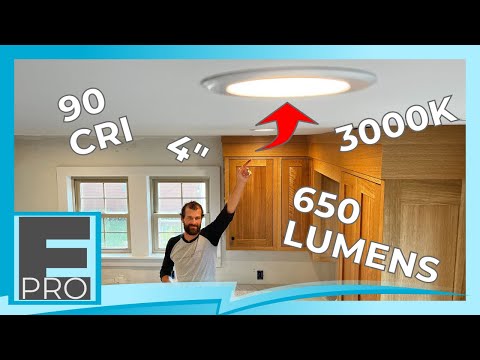
For most modern kitchens, a color temperature range of 3000K to 4000K hits the sweet spot. At 3000K, the light has a warm, golden tone that complements wood cabinets and earthy design palettes. At 4000K, the light shifts toward a neutral white that enhances the clarity of colors and makes food preparation feel more precise and clean. Avoid going above 5000K in a kitchen unless you specifically want a clinical, blue-toned atmosphere that is better suited for hospitals or commercial facilities.
As for brightness, a good rule of thumb is to aim for approximately 30 to 40 lumens per square foot for general kitchen lighting. If your kitchen doubles as a workspace or you do a lot of detailed cooking, consider pushing closer to 50 lumens per square foot by supplementing ceiling lights with dedicated task lighting under cabinets.
| Fixture Type | Best For | Ceiling Height | Style Compatibility |
| Recessed Downlights | Ambient lighting, low ceilings | Low to standard (8 ft+) | Modern, minimalist, transitional |
| Track Lighting | Adjustable task zones | Standard to high (8 ft+) | Industrial, contemporary |
| Flush Mount | Space-saving general light | Low (7.5 ft and under) | Traditional, cottage, transitional |
| Chandelier | Statement centerpiece | High (9 ft+) | Traditional, farmhouse, luxury |
| Pendant Light | Island and bar counter | Standard to high | Modern, industrial, Scandinavian |
Strategic Placement and Layout Planning
Where you position your kitchen ceiling lights matters just as much as what you choose. Poor placement leads to dark spots, harsh shadows, and uneven illumination that makes the kitchen feel disjointed and uncomfortable. Here are proven strategies for achieving balanced, effective overhead lighting coverage.
- Start with the center of the room. In open kitchens without a defined island, place a central fixture or a grid of recessed lights to establish a uniform baseline of ambient light.
- Layer lighting zones. Divide the kitchen into functional zones — the cooking area, the sink area, the dining or breakfast nook — and plan your ceiling fixtures to serve each zone independently.
- Avoid placing recessed lights too close to walls. A common mistake is lining recessed downlights along the perimeter of the kitchen, which creates harsh wall-wash effects and wastes light. Instead, position them two to three feet inward from the walls for a softer, more even distribution.
- Use dimmer switches. Installing dimmable ceiling lights gives you complete control over the atmosphere. Brighten the kitchen for active cooking sessions and dim the lights for intimate evening meals or casual entertaining.
- Consider the ceiling height when choosing fixture size. A general guideline is to add the room’s length and width in feet, and the resulting number in inches approximates the ideal diameter for a central fixture. For example, a 10-by-12-foot kitchen suits a fixture roughly 22 inches in diameter.
Lighting the Kitchen Island
If your kitchen features an island, it deserves dedicated ceiling lighting that draws attention to this central feature. Pendant lights hung above an island are the most popular choice because they provide targeted task lighting for food preparation and casual dining while serving as a visual anchor. Space pendants evenly across the island’s length, typically 30 to 36 inches apart, and hang them approximately 30 to 36 inches above the countertop surface for comfortable head clearance and optimal light spread.
Energy Efficiency and Smart Lighting Options
Today’s energy-efficient kitchen ceiling lights offer incredible performance without the hefty electricity bills of older technologies. LED fixtures dominate the market for good reason — they consume up to 75 percent less energy than traditional incandescent bulbs, last significantly longer, and are available in a wide spectrum of color temperatures and dimming options.
Smart ceiling lighting systems take energy efficiency a step further by allowing you to control brightness, color temperature, and scheduling through a smartphone app or voice assistant. Popular smart ecosystems like Philips Hue, LIFX, and Lutron Caseta integrate seamlessly with kitchen ceiling fixtures, enabling you to create customized lighting scenes for cooking, cleaning, entertaining, and relaxation. Over time, the savings from LED and smart lighting technology can offset the initial investment and contribute to a more sustainable home.
Common Mistakes to Avoid When Choosing Kitchen Ceiling Lights
- Using a single overhead light source. Relying on one ceiling fixture creates harsh shadows and leaves corners and counter edges poorly lit. Always layer multiple light sources.
- Ignoring the color rendering index (CRI). A CRI of 90 or above ensures that colors in your kitchen — the green of fresh herbs, the red of ripe tomatoes, the finish of your cabinets — appear true and vibrant under artificial light.
- Choosing fixtures that are too small. Undersized ceiling lights get lost in a large kitchen and fail to provide adequate coverage. Scale your fixtures to match the room’s proportions.
- Skipping dimmer controls. Without dimmers, you are locked into a single brightness level that may be too harsh for relaxation or too dim for detailed food prep.
- Forgetting about maintenance. Choose fixtures that are easy to clean and replace bulbs in, especially if your ceiling is high and accessing the fixture requires a ladder.
Expert Tips for Getting the Most Out of Your Kitchen Ceiling Lighting
Professional interior designers and lighting specialists recommend several strategies that go beyond basic fixture selection. First, consider ceiling finish and reflectivity. Light-colored ceilings bounce more light back into the room, amplifying the effect of every fixture. If your ceiling is dark or textured, you may need additional fixtures to compensate. Second, think about ceiling fan compatibility. If you plan to install a ceiling fan for ventilation, choose a light kit or fixture that complements the fan’s style and does not create visual clutter. Finally, invest in high-quality LED drivers and transformers for recessed and low-voltage systems, as these components directly impact the longevity and performance of your ceiling lights.
Conclusion
Selecting the right ceiling lighting for kitchen spaces is one of the most rewarding investments you can make in your home. By understanding the different fixture types, mastering color temperature and brightness, planning strategic placement, and embracing energy-efficient technologies, you can create a kitchen that is brilliantly lit, beautifully styled, and perfectly suited to your daily routine. Take your time planning your lighting layout, mix fixture types for layered depth, and never underestimate the transformative power of well-designed overhead illumination.
Frequently Asked Questions

What is the best ceiling light type for a small kitchen?
For small kitchens, recessed downlights or flush mount fixtures are the best options because they maximize floor-to-ceiling space and provide broad, even illumination without overwhelming the room. A single flush mount light or a row of three recessed can lights typically works well for kitchens under 150 square feet.
How many ceiling lights do I need for my kitchen?
A general guideline is one ceiling light fixture for every 25 to 30 square feet of kitchen space, supplemented by task lighting under cabinets and above the stove. For a 150-square-foot kitchen, this translates to roughly five to six fixtures, but the exact number depends on ceiling height, fixture brightness, and your desired illumination level.
Can I mix different ceiling light styles in the kitchen?
Absolutely. Mixing fixture styles is actually recommended for creating a dynamic, layered lighting design. For example, combining recessed downlights for general ambient light with pendant lights over the island and a statement chandelier above the dining area creates visual interest and functional versatility across different kitchen zones.
What is the ideal hanging height for kitchen pendant lights?
Pendant lights should be hung approximately 30 to 36 inches above the countertop surface. For dining tables or breakfast bars, 30 to 32 inches is ideal. If your ceilings are exceptionally high, you can adjust slightly higher, but avoid hanging pendants more than 42 inches above the counter, as this reduces their task lighting effectiveness.
Are LED ceiling lights worth the investment for kitchen use?
Yes, LED ceiling lights are worth the investment. They consume significantly less energy, last up to 25 times longer than incandescent alternatives, produce minimal heat, and are available in dimmable and color-adjustable options that make them perfect for the demanding, multi-purpose environment of a modern kitchen.