


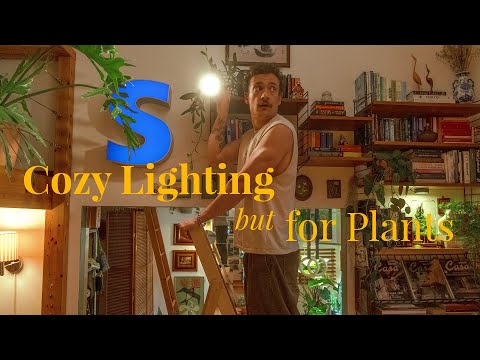
When you are growing plants indoors — whether it is a lush vegetable garden on your kitchen counter, a thriving succulent collection, or a full-scale indoor hydroponic setup — one single factor determines success or failure: light. Not just any light, but the right grow light that delivers the correct spectrum, intensity, and coverage for your specific plants. The indoor gardening market has exploded in recent years, and the sheer number of options can make choosing the best grow light feel overwhelming. This guide cuts through the noise, breaking down the technologies, comparing top performers, and giving you actionable recommendations whether you are a complete beginner or a seasoned indoor gardener. You will learn what actually matters in a grow light, which types deliver the best results for different plant stages, and how to avoid wasting money on products that underperform or burn your crops.
Understanding Grow Light Types: Which Technology Actually Works
The foundation of picking the right grow light starts with understanding the three dominant technologies available today: LED, fluorescent, and High-Intensity Discharge (HID) systems. Each has distinct strengths and weaknesses that directly impact plant health, energy consumption, and long-term value.
LED Grow Lights: The Modern Gold Standard

LED grow lights have dominated the indoor gardening market for good reason. They are energy-efficient, produce very little heat, last tens of thousands of hours, and allow full-spectrum customization. Full-spectrum LED panels mimic natural sunlight across the blue and red wavelengths that plants need for photosynthesis, vegetative growth, and flowering. This is the technology behind most top-rated grow lights for home gardeners and commercial operations alike.
Fluorescent Lights: The Budget-Friendly Classic
T5 fluorescent tubes remain a reliable choice for seedlings, clones, and small herb gardens. They are affordable, widely available, and produce a balanced light spectrum. However, they lack the intensity needed for large-scale flowering plants and lose efficiency over time as the tubes degrade.
HID Systems: Powerful but Power-Hungry
High-Intensity Discharge lights, including Metal Halide (MH) and High-Pressure Sodium (HPS), deliver intense light penetration ideal for large-scale grows. They are effective but generate significant heat, consume substantial electricity, and require additional equipment like ballasts and reflectors. For most home growers, LED technology has largely replaced HID systems.
What to Look for When Choosing the Best Grow Light
Not all grow lights are created equal, and marketing hype can obscure real performance. Before purchasing, evaluate these critical factors:
- Light Spectrum: Plants need different wavelengths at different growth stages. Blue light (400–500nm) promotes vegetative growth and compact foliage, while red light (600–700nm) drives flowering and fruiting. Full-spectrum lights cover both ranges in a single unit.
- PPFD and Photosynthetic Photon Flux: Photosynthetic Photon Flux Density (PPFD) measures the actual light intensity reaching your plants. Higher PPFD values mean more energy available for photosynthesis, which directly translates to faster growth and better yields.
- Coverage Area: Match the light’s coverage to your growing space. A light rated for 4×4 feet will underperform if stretched across a 5×5 tent. Always check the manufacturer’s recommended footprint.
- Dimmability and Controls: Adjustable dimming lets you fine-tune light intensity as plants move through growth stages, from delicate seedlings to heavy bloomers.
- Build Quality and Heat Management: Efficient heat dissipation extends diode lifespan and prevents leaf burn or heat stress. Look for aluminum housings, built-in fans, or passive cooling designs.
Best Grow Lights by Experience Level
Best for Beginners: Simple, Affordable, and Foolproof
If you are just starting out, look for a full-spectrum LED grow light in the 30–60 watt range. Brands like Sansi, GE, and MARS HYDRO offer plug-and-play models with built-in timers and balanced spectra that work well for herbs, leafy greens, and small houseplants. These units require no complicated setup and deliver reliable results without a steep learning curve.
Best for Intermediate Growers: Tunable Performance
At the intermediate level, growers typically need lights that can handle both vegetative and flowering stages. The Mars Hydro TS series and Spider Farmer SF series are popular choices offering 100–300 watts, dimmable controls, daisy-chain capability, and coverage for 3×3 to 4×4 foot tents. These panels provide the intensity and spectrum flexibility that flowering plants demand.
Best for Advanced Growers: Commercial-Grade Precision
Serious indoor cultivators benefit from high-powered quantum board LED systems like the HLG (Horticulture Lighting Group) Quantum Boards or the California LightWorks SolarSystem. These units deliver precise PPFD maps, customizable spectrum tuning, and coverage for large grow tents or entire rooms. They are an investment, but the yield and quality improvements justify the cost for dedicated growers.
Grow Light Comparison Table
| Light Type | Best For | Spectrum Control | Energy Efficiency | Price Range |
| Full-Spectrum LED | All growth stages | Excellent (tunable) | Very High | Mid to High |
| T5 Fluorescent | Seedlings, clones, herbs | Good (balanced) | Moderate | Low |
| HID (MH/HPS) | Large-scale flowering | Limited (switch bulbs) | Low | Low upfront, high operating cost |
| Quantum Board LED | Professional/advanced grows | Excellent | Very High | High |
Expert Tips for Maximizing Grow Light Performance
Even the best grow light will underperform if used incorrectly. Follow these expert-backed strategies to get the most out of your setup:
- Hang lights at the correct height: LED panels should typically be 18–24 inches above the canopy during the vegetative stage and 12–18 inches during flowering. Too close causes light burn; too far leads to leggy, stretched growth.
- Use a timer consistently: Most plants thrive on an 18/6 light cycle during vegetation and a 12/12 cycle to trigger flowering. Consistent timing prevents stress and keeps growth predictable.
- Reflective walls matter: Lining your grow tent or space with Mylar or reflective material increases usable light by up to 30%, ensuring every photon reaches your plants.
- Monitor temperature: Even LEDs produce some heat. Keep ambient grow room temperatures between 68–78°F (20–26°C) for optimal photosynthesis and prevent heat-related nutrient deficiencies.
- Rotate your plants: Regular rotation ensures even light distribution across the canopy, preventing uneven growth and maximizing the number of productive buds or fruits.
Common Mistakes to Avoid When Buying Grow Lights
One of the biggest mistakes shoppers make is focusing exclusively on wattage. Wattage tells you power consumption, not light output. A 200-watt LED can outperform a 400-watt HID system because modern diodes convert electricity to photosynthetically active radiation far more efficiently. Another common error is ignoring coverage maps — always check the manufacturer’s PPFD density chart for your specific hanging height. Finally, avoid cheap, no-name brands that use low-quality diodes with inconsistent spectrum output, which leads to poor plant development and wasted energy.
Conclusion: Finding the Right Grow Light for Your Indoor Garden
Choosing the best grow light ultimately comes down to matching the technology, spectrum, and coverage to your specific plants and growing space. For most indoor gardeners, a full-spectrum LED panel offers the best balance of efficiency, performance, and ease of use. Start with a quality entry-level unit if you are new to indoor gardening, then scale up to quantum board systems as your skills and ambitions grow. Invest in proper placement, consistent lighting schedules, and reflective environments, and your plants will reward you with vigorous growth and bountiful harvests. The right grow light is not just an accessory — it is the engine of every successful indoor garden.

Frequently Asked Questions
What is the best grow light for a 4×4 grow tent?

For a 4×4 tent, a full-spectrum LED panel rated between 200 and 400 watts with a quantum board design is ideal. Look for models with a coverage footprint of at least 4×4 feet and dimmable controls so you can adjust intensity during different growth stages. Brands like Mars Hydro and Spider Farmer consistently deliver strong performance in this size range.
Can any LED light be used as a grow light?
Not all LED lights work for growing plants. Standard household LEDs emit light optimized for human vision, lacking the specific red and blue wavelengths essential for photosynthesis. True grow lights are engineered with diodes that produce photosynthetically active radiation (PAR) in the spectrum plants need. Using regular LED bulbs will result in weak, stretched plants with poor yields.
How many hours per day should grow lights be on?
During the vegetative stage, most plants thrive with 16–18 hours of light and 6 hours of darkness. For the flowering stage, switching to a 12/12 light cycle triggers blooming in photoperiod-sensitive plants. Auto-flowering varieties can run on an 18/6 or even 20/4 schedule throughout their entire lifecycle without affecting flowering.
Do grow lights use a lot of electricity?
Modern LED grow lights are remarkably efficient compared to older HID systems. A typical 200-watt LED panel running 18 hours a day consumes approximately 1.3 kWh per day, costing around $15–$20 per month depending on local electricity rates. Fluorescent and HID systems consume significantly more power for equivalent light output, making LEDs the most cost-effective long-term choice.
What is the difference between PPFD and lumens?
Lumens measure the total amount of visible light emitted by a source as perceived by the human eye. PPFD (Photosynthetic Photon Flux Density) measures the actual number of photosynthetically active photons that reach a specific area of plant canopy per second. PPFD is the meaningful metric for growers because it directly correlates with the energy available for photosynthesis, whereas lumens reflect human visual perception, not plant growth potential.