


A 60 watt LED light bulb has become one of the most popular lighting solutions for homes, offices, and commercial spaces worldwide. Whether you are replacing an old incandescent fixture or upgrading your lighting setup for the first time, understanding what makes a 60 watt LED bulb stand out is essential. Unlike traditional bulbs that waste energy producing heat, modern LED technology delivers the same warm, familiar brightness while consuming a fraction of the electricity. This article dives deep into everything you need to know about 60 watt equivalent LED bulbs — from brightness measurements and energy savings to practical buying tips and real-world applications. If you have ever stood in a hardware store staring at shelves of bulbs and felt overwhelmed, this guide is designed to cut through the confusion and give you confident, actionable knowledge.
What Exactly Is a 60 Watt LED Light Bulb?
A 60 watt LED light bulb is a semiconductor-based lighting device engineered to produce the same luminous output as a traditional 60 watt incandescent bulb while using dramatically less power. The term “60 watt LED” is actually a descriptor of equivalence rather than actual wattage. A true 60 watt equivalent LED bulb typically draws only 8 to 10 watts of electricity to deliver approximately 800 lumens. This distinction is critical for consumers who want to match their existing fixtures and lighting expectations without over- or under-lighting a space. These bulbs come in various shapes including A19, BR30, and MR16, and they support multiple color temperatures ranging from warm white to cool daylight, making them incredibly versatile for different environments and aesthetic preferences.
The technology behind these bulbs relies on light-emitting diodes that convert electrical current directly into photons with minimal energy loss. Early LED bulbs were criticized for harsh, clinical light output, but modern 60 watt equivalent LEDs now feature phosphor coatings and diffused lens designs that produce smooth, natural-looking illumination indistinguishable from what you would get from a traditional incandescent source.
Why Replace a Traditional 60 Watt Incandescent Bulb with LED?
The transition from incandescent to LED technology represents one of the most impactful home improvements you can make. Here is why homeowners and facility managers around the world are making the switch.
Energy Savings and Efficiency
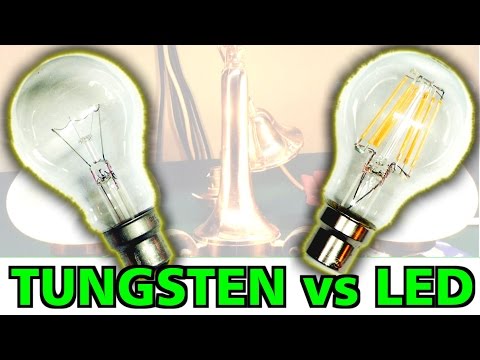
A traditional 60 watt incandescent bulb converts roughly 90% of its energy into heat and only about 10% into visible light. In contrast, a 60 watt equivalent LED bulb uses approximately 80% to 85% less electricity. Over the course of a year, replacing just five frequently used bulbs with LED alternatives can save you between $50 and $100 on your annual electricity bill, depending on your local energy rates and usage patterns. For larger homes or businesses with dozens of fixtures, the cumulative savings are substantial and compound year after year.
Lifespan and Durability
One of the most compelling reasons to choose a 60 watt LED light bulb is its extraordinary lifespan. While a standard incandescent bulb lasts around 1,000 hours, high-quality LED bulbs rated as 60 watt equivalents typically deliver 15,000 to 25,000 hours of usable light. That means a single LED bulb can last anywhere from 10 to 15 years under average household usage of about three hours per day. This longevity reduces maintenance costs, eliminates the hassle of frequent replacements, and contributes to less landfill waste over time.
Environmental Impact
LED bulbs contain no mercury, unlike compact fluorescent lamps (CFLs), and their reduced energy consumption directly translates to lower carbon emissions from power plants. Choosing a 60W LED bulb over an incandescent alternative is a tangible step toward a more sustainable and environmentally responsible lifestyle.
How Bright Is a 60 Watt LED Light Bulb? Understanding Lumens
Brightness in modern lighting is measured in lumens, not watts. When shopping for a 60 watt equivalent LED bulb, you should look for a lumen output of approximately 750 to 850 lumens. This range replicates the warm, familiar glow of a traditional 60 watt incandescent bulb and is ideal for general room lighting, bedside lamps, hallway fixtures, and living room pendants.
Understanding lumens matters because it prevents the common mistake of choosing a bulb that is either too dim or too bright for a given space. For example, a kitchen workspace may benefit from a slightly higher lumen output, while a bedroom might feel more relaxing with a bulb on the lower end of the 60 watt equivalent range. Always check the packaging for the lumen rating and the recommended room type or application to ensure the best match.
Key Features to Look for in a Quality 60 Watt LED Bulb

Not all LED bulbs are created equal, and knowing which specifications to prioritize will help you make an informed purchase. Here are the critical factors to evaluate:
- Color Temperature (Kelvin Rating): Warm white bulbs (2700K–3000K) mimic the amber glow of incandescent bulbs and are best for living rooms and bedrooms. Neutral white (3500K–4000K) works well in kitchens and bathrooms, while cool daylight (5000K–6500K) suits offices and task lighting.
- CRI (Color Rendering Index): Look for bulbs with a CRI of 80 or higher. A CRI of 90 or above ensures that colors appear vivid and natural, which matters in dressing rooms, art studios, and retail environments.
- Dimmability: Not all 60 watt equivalent LED bulbs are compatible with standard dimmer switches. Always verify dimmable compatibility on the packaging and ensure your existing dimmer is LED-compatible.
- Beam Angle: Wider beam angles (120 degrees or more) provide general room illumination, while narrower angles (25–40 degrees) are better for spotlights and accent lighting.
- Certifications: ENERGY STAR certification guarantees that the bulb meets strict efficiency and performance standards set by the U.S. Environmental Protection Agency.
- Instant On: Quality LED bulbs reach full brightness instantly, unlike some cheaper alternatives that flicker or take time to warm up.
Top Use Cases for 60 Watt LED Bulbs
The versatility of a 60 watt LED light bulb makes it suitable for a wide range of applications. Here are some of the most common and effective use cases.
- Living Room Table and Floor Lamps: The warm glow of an 800-lumen LED bulb creates a cozy, inviting atmosphere perfect for relaxing and entertaining.
- Kitchen Pendant Lights: LED bulbs provide consistent, flicker-free illumination over dining areas and kitchen islands, making food preparation safer and more comfortable.
- Bedroom Nightstands: Dimmable 60W LED bulbs allow you to adjust brightness for reading before sleep or setting a calming mood in the evening.
- Hallways and Entryways: LED bulbs offer reliable, long-lasting light in high-traffic areas where fixtures may be difficult to access for bulb changes.
- Home Offices and Desk Lamps: A neutral white 60 watt equivalent LED bulb reduces eye strain during extended work sessions and helps maintain focus and productivity.
- Outdoor Porch Lights: Many LED bulbs are rated for enclosed fixtures and damp locations, making them excellent choices for porch and patio lighting.
60 Watt LED vs Traditional Incandescent Bulb Comparison
| Feature | 60W Incandescent | 60W Equivalent LED |
| Actual Power Draw | 60 Watts | 8–10 Watts |
| Lumens Output | ~800 lumens | ~800 lumens |
| Average Lifespan | 1,000 hours | 15,000–25,000 hours |
| Annual Energy Cost (3 hrs/day) | ~$7.30 | ~$1.00–$1.50 |
| Heat Output | High (wasteful) | Low (cool to touch) |
| Dimmable Options | Yes | Yes (verify compatibility) |
| Mercury Content | None | None |
| Typical Price per Bulb | $0.50–$1.50 | $2.00–$5.00 |
The comparison table above illustrates that while a 60 watt equivalent LED bulb carries a higher upfront cost, the long-term savings on energy and replacement frequency make it a far superior investment. Over the bulb’s lifetime, you can save $50 or more per bulb compared to using traditional incandescent alternatives.
Expert Tips for Choosing and Using Your 60 Watt LED Bulb
Buying the right LED bulb involves more than grabbing the cheapest option off the shelf. Here are expert recommendations that will help you get the best performance and value from your purchase.
- Match the Base Type: Ensure the bulb base matches your fixture — standard E26 is the most common in North American households, while E12 is used for smaller candelabra fixtures.
- Check for Enclosed Fixture Ratings: If you are installing the bulb in a recessed or enclosed fixture, look for LED bulbs specifically rated for enclosed use. Trapped heat significantly shortens the lifespan of LEDs that are not designed for it.
- Buy in Bulk for Savings: Since LED bulbs last for years, purchasing multi-packs or case quantities often comes with significant per-unit discounts and ensures you have replacements ready.
- Consider Smart Bulb Options: Many 60 watt equivalent LED bulbs now integrate with smart home ecosystems like Amazon Alexa, Google Home, and Apple HomeKit. These allow you to adjust brightness, set schedules, and change color temperatures from your phone or voice commands.
- Avoid Frequent On-Off Cycling: While LEDs handle on-off cycling better than CFLs, excessive switching can still reduce their overall lifespan. Use motion sensors or timers for fixtures that are turned on and off frequently.
Frequently Asked Questions About 60 Watt LED Light Bulbs
What does “60 watt equivalent” actually mean on an LED bulb?
The term “60 watt equivalent” means the LED bulb produces the same amount of light (approximately 800 lumens) as a traditional 60 watt incandescent bulb, while consuming far less actual wattage — usually around 8 to 10 watts. The equivalence is based on light output, not energy consumption.
Can I use a 60 watt LED bulb in a fixture rated for 60 watts?
Yes, and this is one of the safest lighting upgrades you can make. LED bulbs draw so little power that they generate minimal heat, well within the thermal limits of any fixture originally designed for a 60 watt incandescent bulb. You are actually reducing the fire risk by switching to LED.
Why does my dimmable 60 watt LED bulb flicker on some dimmer switches?
Flickering typically occurs when the dimmer switch is not compatible with LED technology. Older incandescent dimmers regulate voltage by chopping the AC waveform in a way that does not work well with LED drivers. Look for LED-compatible dimmers or replace the dimmer switch with one specifically designed for LED loads.
How much money will I actually save by switching to a 60 watt equivalent LED bulb?
Using the DOE’s energy cost calculator estimates, a single 60 watt equivalent LED bulb used three hours per day saves approximately $6 to $7 per year compared to an incandescent. Multiply that by 20 bulbs in a home, and the annual savings can reach $120 to $140, with even greater savings over a decade of use.
Are there different shapes and sizes available for 60 watt LED bulbs?
Absolutely. 60 watt equivalent LED bulbs come in A19 (the classic pear shape), BR30 (reflector for recessed cans), MR16 (track and display lighting), globe shapes for bathroom vanities, and candle/flame shapes for chandeliers. Always check the bulb shape code to ensure it fits your fixture both physically and optically.
Do 60 watt LED bulbs work with smart home systems?
Many modern 60 watt equivalent LED bulbs are “smart-ready” or come in smart versions that connect via Wi-Fi or Bluetooth hubs. Brands like Philips Hue, LIFX, and Sengled offer dimmable, color-adjustable 60W-equivalent LEDs that integrate seamlessly with major smart home platforms. Even non-smart LED bulbs can often be used with smart plugs for basic on/off scheduling.
Conclusion
The 60 watt LED light bulb represents the perfect balance of brightness, efficiency, and affordability for everyday lighting needs. Whether you are a homeowner looking to cut electricity bills, a renager upgrading outdated fixtures, or a business owner seeking to reduce maintenance costs, a quality 60 watt equivalent LED bulb delivers exceptional performance with minimal downsides. By understanding lumens, color temperature, dimmability, and fixture compatibility, you can confidently select the right bulb for every application in your space. The upfront investment pays for itself within months through energy savings, and the bulbs continue saving you money and hassle for well over a decade. Make the switch today and experience the difference that modern LED technology brings to your home or workspace.