


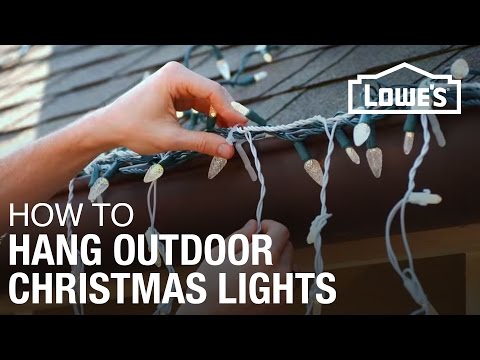
Transforming your home into a winter wonderland starts with the right christmas outdoor lights. Whether you are dressing up a modest suburban bungalow or illuminating a sprawling estate, exterior holiday lighting has the power to boost curb appeal, create a festive atmosphere, and even increase your property’s perceived value during the holiday season. But with so many bulb types, power options, color temperatures, and installation methods available, choosing the best outdoor Christmas lights can feel overwhelming. This guide walks you through everything you need to know—from understanding the different light categories and energy-efficient technologies to practical installation tips, safety considerations, and expert recommendations for every skill level. If you want your holiday display to stand out on the block without wasting energy or risking electrical hazards, you are in the right place.
Why Christmas Outdoor Lights Are Worth the Investment
Exterior holiday lighting does more than make your property look pretty. Studies in real estate and consumer behavior consistently show that homes decorated with outdoor Christmas lights attract more attention from neighbors, passersby, and even potential buyers during the holiday market. Strategically placed outdoor holiday lights create focal points—archways over walkways, glowing rooflines, and cascading icicle effects—that turn an ordinary yard into a memorable seasonal experience.
Beyond aesthetics, modern led outdoor christmas lights have made significant strides in energy efficiency and durability. Where older incandescent strands once guzzled electricity and burned out after a single season, today’s LED alternatives can last tens of thousands of hours while consuming a fraction of the power. That means lower electricity bills and fewer replacements year after year, which is a win for both your wallet and the environment.
Types of Christmas Outdoor Lights
The outdoor Christmas lighting market has expanded dramatically, and understanding the major categories helps you choose the right product for every area of your home. Below are the primary types you will encounter when shopping for exterior christmas decorations.
LED vs Incandescent Outdoor Christmas Lights
LED (light-emitting diode) lights now dominate the outdoor Christmas lighting space for good reason. They are energy-efficient, produce minimal heat, and are significantly more durable than traditional incandescent bulbs. Most LED strands are rated for outdoor use and can withstand rain, snow, and freezing temperatures without issue.
Incandescent bulbs, by contrast, still have a loyal following for their warm, nostalgic glow and authentic look. They tend to cost less upfront but consume far more electricity and have a shorter lifespan. If you are decorating a large roofline or wrapping multiple trees, the energy cost of incandescent lights can add up quickly.
Solar-Powered Christmas Lights for Outdoors
Solar-powered outdoor Christmas lights have become increasingly sophisticated. Modern solar stakes and string lights come with improved photovoltaic panels and rechargeable lithium-ion batteries that can hold a charge for longer periods. They are ideal for pathways, garden beds, and fence lines where running an electrical cord is impractical. However, they do depend on adequate sunlight during the day, so placement matters.
C9 Bulbs, Icicle Lights, and Net Lights
C9 Christmas lights outdoor are the large, vintage-style bulbs commonly seen draped along rooflines and porch railings. They come in both incandescent and LED versions and deliver a bold, classic Christmas look.
Icicle lights mimic the appearance of melting ice formations and are perfect for hanging along eaves, gutters, and porch overhangs. They create a dramatic, cascading effect that catches the eye from the street.
Christmas net lights (also called mesh lights) are pre-woven grids that drape effortlessly over shrubs, hedges, and bushes. They save enormous time compared to individually wrapping each branch, making them a favorite among homeowners who want a lush, uniform glow without the tedious setup.
How to Choose the Best Christmas Outdoor Lights
Selecting the right large outdoor christmas lights requires evaluating several factors. Keep these considerations in mind when shopping.
- Weather Rating: Always check for an IP (Ingress Protection) rating or a label confirming the lights are rated for outdoor use. Lights labeled “wet-rated” or “waterproof” can handle rain and snow directly, while “damp-rated” lights should be sheltered under a porch or overhang.
- Color Temperature: Warm white (2700K–3000K) creates a cozy, traditional holiday glow. Cool white (4000K–5000K) delivers a modern, crisp look. Multicolor options work well for playful, vibrant displays.
- Length and Bulb Count: Measure the areas you want to decorate before purchasing. A standard roofline might require 100–200 feet of lighting, while a large tree could need a 40–60 foot strand.
- Energy Source: Decide between plug-in, solar-powered, and battery-operated options based on your outlet availability and willingness to manage cords.
- Certifications: Look for UL (Underwriters Laboratories) or ETL certification, which ensures the product has been independently tested for electrical safety.
Installation Tips for Christmas Outdoor Lights
Proper installation is just as important as choosing high-quality lights. Follow these expert tips to achieve a polished, safe display.
- Plan Your Layout First: Sketch a rough diagram of your home’s exterior and mark the areas you want to light. This prevents wasted strands and ensures balanced coverage.
- Use Appropriate Hardware: Invest in outdoor-rated clips, hooks, and zip ties designed specifically for holiday lighting. Avoid using staples or nails, which can damage wiring and void warranties.
- Connect Strands Safely: Most manufacturers specify a maximum number of strands that can be daisy-chained together. Exceeding this limit creates a fire hazard and can trip circuit breakers.
- Use Ground-Fault Circuit Interrupter (GFCI) Outlets: Every outdoor electrical connection should be plugged into a GFCI outlet, which automatically shuts off power if moisture is detected.
- Secure Cables and Wires: Use cable covers or ground-level protectors to prevent tripping hazards and protect cords from weather damage.
- Test Before Mounting: Plug in each strand before installation to confirm all bulbs are working. Replacing a single dead bulb is far easier on the ground than on a ladder.
Best Places to Decorate with Outdoor Christmas Lights
Maximize the visual impact of your roofline christmas lights by focusing on high-visibility areas that catch the eye from the street and walkways.
- Rooflines and Eaves: C9 bulbs and icicle lights along gutters and roof edges create the classic, postcard-worthy Christmas silhouette.
- Walkways and Driveways: Solar stake lights, lantern-style fixtures, and illuminated arches welcome guests and improve safety on icy paths.
- Trees and Shrubs: Net lights are the fastest way to wrap large bushes, while individual C7 or C9 bulbs on branches add depth and dimension to larger trees.
- Fences and Garages: Wrapping fence panels or garage doors with light strands adds warmth and ties the entire property together visually.
- Porch and Entryway: A glowing wreath, hanging star, or illuminated doorway creates a focal point that greets visitors with holiday cheer.
Comparison Table: Types of Christmas Outdoor Lights
| Light Type | Best For | Energy Use | Lifespan | Cost Level |
| LED C9 Bulbs | Rooflines, porch railings | Low | 25,000–50,000 hours | Medium |
| Incandescent C9 Bulbs | Classic warm glow, vintage look | High | 1,000–3,000 hours | Low |
| LED Icicle Lights | Eaves, gutters, overhangs | Low | 25,000+ hours | Medium |
| Solar Net Lights | Shrubs, hedges, bushes | None (solar) | 10,000–25,000 hours | Medium |
| LED Multi-Color Strings | Trees, arches, fences | Low | 25,000+ hours | Low to Medium |
| LED Warm White Micro Lights | Accent lighting, detail work | Very Low | 30,000–50,000 hours | Low |
Maintenance and Safety Tips
Even the highest-quality waterproof christmas lights require seasonal care to perform reliably year after year. After the holiday season, carefully remove lights and store them in original packaging or labeled bins to prevent tangling and bulb damage. Inspect each strand before storage and discard any with cracked sockets, frayed wires, or corroded plugs.
When installing, always use a sturdy, weather-rated extension cord rated for outdoor use. Never overload a single outlet or power strip, and avoid running cords through doorways or windows where pinching can damage the insulation. If you have a multi-story home, consider using a telescopic light hanging tool to avoid climbing ladders in icy or windy conditions.

For homes with smart home setups, many modern outdoor Christmas light controllers now integrate with apps and voice assistants, allowing you to schedule on/off times, adjust brightness, and even sync lights to music. These smart controllers add convenience and can reduce energy consumption by ensuring lights are only active during peak viewing hours.
Conclusion

Choosing the right christmas outdoor lights comes down to balancing aesthetics, energy efficiency, durability, and safety. LED technology has revolutionized the holiday lighting industry, offering homeowners a cost-effective, long-lasting, and environmentally responsible way to illuminate their exteriors. Whether you prefer the bold warmth of C9 bulbs along your roofline, the effortless coverage of mesh net lights on your hedges, or the hands-off convenience of solar-powered stakes along your garden path, the options available today are better than ever. Plan your layout carefully, invest in quality hardware, follow safety best practices, and your home will be the most enchanting on the block all season long.
FAQs About Christmas Outdoor Lights
What are the best waterproof outdoor Christmas lights for rainy climates?
Look for lights with an IP65 or IP67 waterproof rating, which ensures they can handle heavy rain and even direct water exposure. LED C9 bulbs and icicle lights from brands like Philips Hue, Sylvania, and GE are excellent choices for wet climates because they feature sealed housings and corrosion-resistant sockets designed to withstand prolonged moisture exposure.
How many feet of outdoor Christmas lights do I need for a standard house?
A general rule of thumb is to allocate approximately 100 feet of lights for every 20 feet of roofline. For a typical single-story home with a 60-foot perimeter roofline, plan for 300 to 400 feet of total lighting across all decorated areas including trees, walkways, and architectural features. Measure carefully before purchasing to avoid running short or having excess strands left over.
Can I leave solar outdoor Christmas lights out in winter?
Yes, solar-powered outdoor Christmas lights are designed to remain outside year-round during the holiday season. However, their charging efficiency decreases during short, overcast winter days, so position the solar panels in the sunniest possible spot. If you live in an area with heavy snowfall, periodically clear snow off the panels to maintain optimal charging performance.
What is the difference between indoor and outdoor Christmas lights?
The primary difference lies in the weatherproofing and electrical certifications. Outdoor Christmas lights are built with sealed sockets, moisture-resistant wiring, and weather-rated insulation that protects against rain, snow, and UV exposure. Indoor lights lack these protective layers and should never be used outside, as moisture infiltration can cause short circuits, bulb failures, or electrical fire hazards.
How do I keep outdoor Christmas lights from blowing fuses?
Fuses blow when too many strands are connected in a single circuit. Always check the manufacturer’s maximum daisy-chain rating and never exceed it. Use separate circuits for different areas of your home, and avoid plugging high-wattage incandescent strands into the same outlet. Upgrading to LED lights dramatically reduces the electrical load, which helps prevent blown fuses and tripped breakers.