


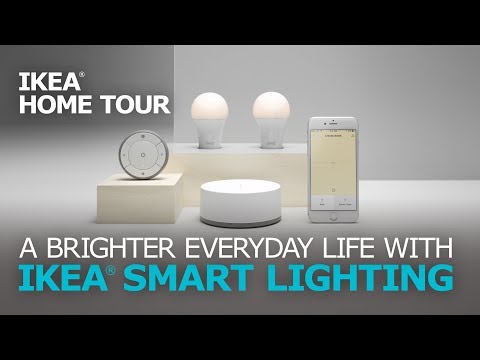
Automatic lights have transformed the way we illuminate our homes, businesses, and outdoor spaces. Gone are the days of fumbling for switches in the dark or forgetting to turn off lights when leaving a room. Today’s automatic lighting solutions use advanced sensor technology, smart connectivity, and energy-efficient design to deliver convenience, security, and cost savings. Whether you are a homeowner looking to reduce electricity bills, a business owner seeking enhanced security, or a tech enthusiast exploring smart home automation, understanding how automatic lights work and which options suit your needs is essential. This comprehensive guide dives deep into the world of automatic lighting, covering everything from foundational technology to advanced smart integration strategies.
What Are Automatic Lights and How Do They Work?
Automatic lights are lighting fixtures equipped with sensors, timers, or smart controls that activate, adjust, or deactivate illumination without manual intervention. These systems detect environmental changes—such as motion, ambient light levels, or time of day—and respond accordingly by turning lights on or off, dimming them, or changing their color temperature. The core principle is simple: automated lighting reduces human dependency while improving energy efficiency and user comfort.
The Technology Behind Automatic Lighting
At the heart of every automatic light system lies a combination of hardware and software components working in harmony. The primary technologies include:
- PIR sensors (Passive Infrared): Detect body heat and movement within a defined radius, triggering lights when someone enters the detection zone.
- Photocells (light sensors): Monitor ambient light levels and automatically activate lights when darkness falls below a preset threshold.
- Microwave sensors: Use electromagnetic waves to detect movement through walls and obstacles, offering wider coverage than PIR sensors.
- Timers and schedules: Allow users to program lighting behavior at specific times or intervals.
- Smart hubs and Wi-Fi/Zigbee protocols: Enable voice control, app-based management, and integration with broader home automation ecosystems.
Understanding these core technologies helps you evaluate which automatic lighting system aligns with your specific requirements, budget, and environment.

Types of Automatic Lights Available Today
The automatic lighting market offers a diverse range of products designed for different applications. Here is a breakdown of the most popular categories:
Motion Sensor Lights

Motion-activated lights remain the most widely adopted automatic lighting solution for both residential and commercial use. These fixtures use PIR or dual-technology sensors to detect movement within their range—typically 30 to 100 feet—and illuminate instantly. They are commonly used for porch lighting, garage entrances, backyard security, and commercial parking lots. Modern motion sensor lights feature adjustable sensitivity settings, configurable dwell times, and weather-resistant housings rated for outdoor installation.
Photocell and Dusk-to-Dawn Lights
Photocell automatic lights respond to natural light levels rather than motion. They turn on at sunset and off at sunrise, making them ideal for street lighting, pathway illumination, and landscape lighting. These fixtures eliminate the need for any user interaction and are particularly popular for commercial properties, municipal infrastructure, and large residential landscapes.
Smart Automatic Lights
Smart automatic lights represent the cutting edge of automated home lighting technology. Products from brands like Philips Hue, LIFX, and Lutron integrate with platforms such as Amazon Alexa, Google Home, and Apple HomeKit. These systems allow users to set routines, create geofencing triggers, adjust brightness levels, and sync lighting with other smart devices. For example, your lights can automatically brighten when you arrive home or dim gradually as your bedtime routine begins.
Key Benefits of Installing Automatic Lights
The advantages of switching to automatic lighting extend far beyond simple convenience. Here are the most compelling benefits:
- Energy Savings: Automatic lights eliminate the problem of lights being left on unnecessarily. Studies show that automated lighting systems can reduce energy consumption by 30% to 50% compared to manually controlled setups.
- Enhanced Security: Motion-activated lights deter intruders by illuminating dark areas when movement is detected, making your property far less attractive to burglars.
- Extended Fixture Lifespan: Since lights only operate when needed, bulbs and LEDs experience less wear and tear, reducing replacement costs over time.
- Accessibility: Automatic lighting is a game-changer for elderly individuals, people with mobility challenges, and anyone who benefits from hands-free operation.
- Increased Property Value: Homes and businesses equipped with smart or automatic lighting systems often command higher resale values and attract more discerning buyers or tenants.
- Convenience and Ambiance: Smart systems allow you to create custom lighting scenes for different moods, activities, or times of day without lifting a finger.
Comparison Table: Automatic Light Technologies
| Technology | Detection Method | Best Use Case | Average Lifespan | Energy Efficiency |
| PIR Motion Sensors | Body heat and movement | Security, entryways, garages | 15–25 years (LED) | Very High |
| Photocell Sensors | Ambient light levels | Outdoor pathways, street lights | 20–30 years (LED) | Very High |
| Microwave Sensors | Electromagnetic waves | Large indoor spaces, warehouses | 15–25 years (LED) | High |
| Smart Wi-Fi Lights | App, voice, automation rules | Interior smart home setups | 15–25 years (LED) | High (with scheduling) |
| Dual-Technology Sensors | PIR + Microwave combined | High-security commercial areas | 15–25 years (LED) | Very High |
How to Choose the Right Automatic Light for Your Needs
Selecting the ideal automatic lighting solution depends on several factors that vary from one installation to the next. Consider the following before making a purchase decision:
Factors to Consider
- Installation Environment: Indoor vs. outdoor use determines whether you need weatherproof rated fixtures (look for IP65 or higher).
- Detection Range: Measure the area you need to cover and select sensors with an appropriate range—narrow for hallways, wide for open yards.
- Adjustability: The best automatic lights offer customizable settings for sensitivity, timeout duration, and lux thresholds.
- Bulb Type: LED-based automatic lights provide the best energy savings and longevity compared to incandescent or fluorescent alternatives.
- Integration Capability: If you are building a smart home, prioritize lights compatible with your preferred ecosystem (Alexa, Google, Apple HomeKit, SmartThings).
- Wiring vs. Wireless: Hardwired fixtures offer more reliability, while battery-operated or wireless models provide easier, non-invasive installation.
Expert Tips for Maximizing Your Automatic Lighting System
Once you have installed your automatic lights, a few strategic adjustments can dramatically improve performance and user satisfaction:
- Position sensors strategically. Mount motion sensors at a height of 6 to 8 feet and angle them slightly downward to avoid triggering from passing cars or animals.
- Use warm color temperatures for residential settings. 2700K to 3000K LED lights create a welcoming ambiance while still providing adequate illumination for safety and security.
- Layer your lighting. Combine automatic lights with dimmable fixtures to create layered lighting that adapts to different times of day and activities.
- Set appropriate dwell times. For security lights, a 30- to 60-second timeout is usually sufficient. For pathway lighting, a longer duration ensures safe navigation.
- Regularly clean sensor lenses. Dust, dirt, and spider webs on sensor covers can significantly reduce detection accuracy and cause false triggers or missed activations.
- Leverage scheduling features. Even basic automatic lights with timer functions can be programmed to follow your daily routine, simulating occupancy when you are away from home.
Frequently Asked Questions About Automatic Lights
How much can I save on my electricity bill by switching to automatic lights? Most homeowners report a 30% to 50% reduction in lighting-related electricity costs after installing automatic lights. The exact savings depend on the number of fixtures replaced, local electricity rates, and how frequently manual lights were previously left on unnecessarily. LED-based automatic fixtures amplify savings because they consume significantly less power than traditional bulbs.
Can automatic lights work during a power outage? Standard hardwired automatic lights do not function during power outages unless paired with a battery backup system or a UPS. However, battery-operated motion sensor lights and solar-powered automatic lights are designed to work independently of the grid, making them excellent backup options for hallways, garages, and emergency exits.
Do motion sensor lights attract bugs and insects? This is a common concern, especially with traditional incandescent motion lights. The heat generated by older bulbs attracts insects. Modern LED automatic lights produce significantly less heat and emit less UV light, greatly reducing insect attraction. For even better results, choose LED motion lights with a warm color temperature or models specifically marketed as bug-resistant.
What is the difference between automatic lights and smart lights? While all smart lights can function as automatic lights when programmed with routines and triggers, not all automatic lights are smart. Traditional automatic lights operate independently using built-in sensors or timers without any internet connectivity or app control. Smart automatic lights add remote management, voice control, and ecosystem integration on top of basic automation functionality.
Are automatic lights difficult to install? Most plug-in motion sensor lights and smart bulbs require no wiring skills whatsoever—simply screw them into a standard socket and configure settings through a companion app. Hardwired automatic fixtures, such as recessed ceiling lights or outdoor security floodlights, may require basic electrical knowledge or professional installation depending on local building codes and your comfort level with electrical work.
Conclusion
Automatic lights represent one of the most impactful upgrades you can make to any living or working space. They deliver a powerful combination of energy efficiency, enhanced security, hands-free convenience, and long-term cost savings that manual lighting simply cannot match. From basic PIR motion sensor fixtures for your front porch to fully integrated smart lighting ecosystems that learn your daily patterns, the options available today are more diverse and capable than ever before. By understanding the underlying technologies, evaluating your specific needs, and following expert installation and configuration tips, you can build an automatic lighting setup that transforms your space into a smarter, safer, and more efficient environment. The future of illumination is automatic—and it is easier to adopt now than at any point in history.